
Planting
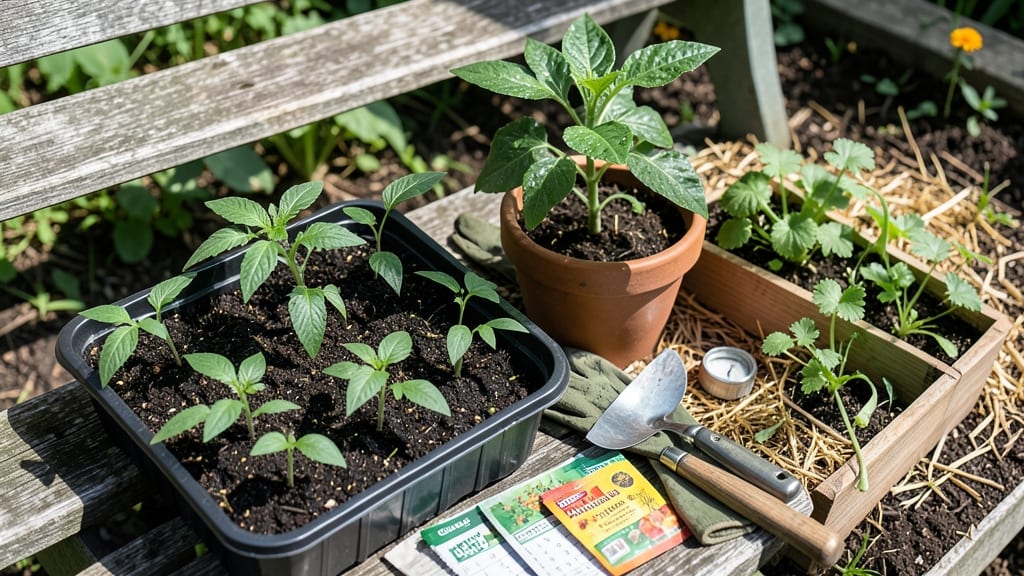
Planting a garden in Pennsylvania at the right time means the difference between a bountiful harvest and a sad pile of bolted lettuce or frozen seedlings.
Pennsylvania’s diverse climate—from the cold mountain air of the Poconos to the humid valleys of Pittsburgh—means planting times can vary dramatically even within a single county. Get these timing decisions wrong, and your zero-risk crops like lettuce or spinach could bolt before harvest.
But master the microclimates, and you’ll enjoy a garden that thrives every season.
Most gardeners in the 5a-7a zones start seeds indoors in early March for heat-loving crops like tomatoes and peppers, while cool-season veggies like peas and carrots go straight into the soil as soon as the ground thaws.
The average last frost date hovers around April 15, but urban heat islands and high-elevation areas can shift that window by weeks.
In this guide, you’ll find the exact planting schedule for your microclimate—plus tips to extend your growing season with row covers and cold frames. Ready to turn your Pennsylvania garden into a year-round success?
Pennsylvania’s planting zones: when to start seeds indoors vs. direct sowing outdoors
Pennsylvania spans USDA Hardiness Zones 5-7, creating a patchwork of planting opportunities.
Whether you're in Erie’s Zone 6b or Philadelphia’s Zone 7a, knowing when to start seeds indoors versus direct-sowing outdoors makes all the difference. Tomatoes and peppers need a head start indoors, while peas and carrots thrive when sown directly into cool spring soil.
Your last frost date is the golden rule—most of PA averages April 15, but cities like Pittsburgh (Zone 6a) can see frost until May 1.
High-elevation areas like State College (Zone 6b) may wait until May 10, while urban heat islands in Philadelphia (Zone 7a) can start earlier.
For cool-season crops like lettuce and spinach, direct-sowing 4-6 weeks before your last frost ensures harvests before summer heat. Warm-season crops such as tomatoes and basil require 6-8 weeks indoors before transplanting after frost risk passes.
Here’s a region-specific breakdown to guide your planting schedule, accounting for microclimates and elevation differences.
| Region (Zone) | Last Frost Date | Start Indoors (Weeks Before Last Frost) | Direct Sow (Cool-Season Crops) | Transplant Outdoors |
|---|---|---|---|---|
| Erie (Zone 6b) | April 20 | Tomatoes: 6-8 wks Peppers: 8-10 wks |
Peas: March 20 Carrots: April 1 |
May 10 |
| Pittsburgh (Zone 6a) | May 1 | Tomatoes: 6-7 wks Peppers: 8-9 wks |
Peas: March 25 Lettuce: April 5 |
May 15 |
| Philadelphia (Zone 7a) | April 15 | Tomatoes: 5-6 wks Peppers: 7-8 wks |
Peas: March 10 Spinach: March 20 |
April 25 |
| Poconos (Zone 5b) | May 10 | Tomatoes: 7-8 wks Peppers: 9-10 wks |
Peas: April 1 Radishes: April 15 |
May 25 |
Adjust these timelines for urban heat islands—cities like Philadelphia can plant 2 weeks earlier for heat-loving crops like okra or sweet potatoes. Conversely, high-elevation gardens in the Poconos may need to delay frost-sensitive crops by 3+ weeks.
For fall planting, aim to sow cool-season crops like kale and spinach 90 days before your first frost (typically September 15 for most of PA). Use row covers to extend harvests into November.
Pro tip: Test soil temperature—most seeds need 40-50°F for germination. A soil thermometer is your best friend for direct-sowing success.
If you’re in a microclimate with unique conditions—like a south-facing wall that warms up faster—consider planting heat-lovers like basil 1-2 weeks earlier than the general schedule.
Start with these zero-risk crops to build confidence: radishes (25 days to harvest), bush beans (50 days), and lettuce (30 days). They’re forgiving and perfect for beginners.
Mastering these timing nuances ensures your Pennsylvania garden thrives year after year—no more wasted seeds or missed harvests! 🌱
Zero-risk crops by season: the safest planting schedule for Pennsylvania gardens
Not all crops are created equal when it comes to Pennsylvania’s unpredictable spring frosts and hot summer humidity. Some varieties—like radishes and spinach—thrive even when temperatures dip, while others, such as lettuce and kale, bolt if planted too early.
The key is timing: sow cool-season crops 4-6 weeks before your last frost date (typically mid-April) and save heat-lovers for after Memorial Day.
For beginners, I recommend sticking to these zero-risk crops that forgive minor timing mistakes. These plants handle PA’s 5a-7a climate zones like pros—whether you’re in Philadelphia’s urban heat or the Poconos’ cooler highlands.
Below, I’ve mapped out the safest planting windows, plus tips to extend your harvest with row covers or cold frames.
⚠️ PRO TIP: Use a frost date calculator (like the one from the PA State Extension) to fine-tune these dates for your exact location. Even a 10-mile elevation change can shift your planting window by weeks!
| Crop | Best Planting Window | Harvest Time | Season Extender | Notes |
|---|---|---|---|---|
| Spinach | Early Spring (March-April) or Fall (Aug-Sept) | 6-8 weeks after sowing | Row cover (extends by 3-4 weeks) | Bolt-resistant varieties like 'Bloomsdale Long Standing' |
| Radishes | Spring (April) or Fall (Sept-Oct) | 3-4 weeks after sowing | Cold frame (harvest into winter) | Fast-growing; great for succession planting |
| Kale | Early Spring (March) or Fall (July-Aug) | 8-10 weeks after sowing | Row cover (sweetens in frost) | 'Winterbor' stays crisp even at 20°F |
| Peas | Early Spring (March-April) | 60-70 days after sowing | Trellis for air circulation | 'Sugar Snap' thrives in cool weather |
| Swiss Chard | Spring (April) or Fall (Aug-Sept) | 50-60 days after sowing | Cold frame (harvest until Dec) | 'Bright Lights' adds color to salads |
These five zero-risk crops are my go-to for Pennsylvania gardens because they handle our variable weather like champs. For example, spinach and kale actually taste sweeter after a light frost, while radishes mature so quickly you can squeeze in three harvests before summer heat arrives.
Plant them 4-6 weeks before your last frost, and you’ll have fresh greens by May.
To stretch your harvest even further, add a row cover (a lightweight fabric) over your greens. This can push your harvest window back by 3-4 weeks in fall or add 2-3 extra weeks in spring.
For hardy crops like kale or Swiss chard, a cold frame (a mini greenhouse) lets you harvest until December in most of PA.
For a no-fail 90-day harvest timeline, start with radishes (ready in 4 weeks), followed by spinach (6 weeks), and then kale (8-10 weeks). By late summer, you can replant fall crops like Swiss chard and peas for a second harvest.
This succession planting trick keeps your table stocked from May through November—even in PA’s shortest growing seasons.