
Planting
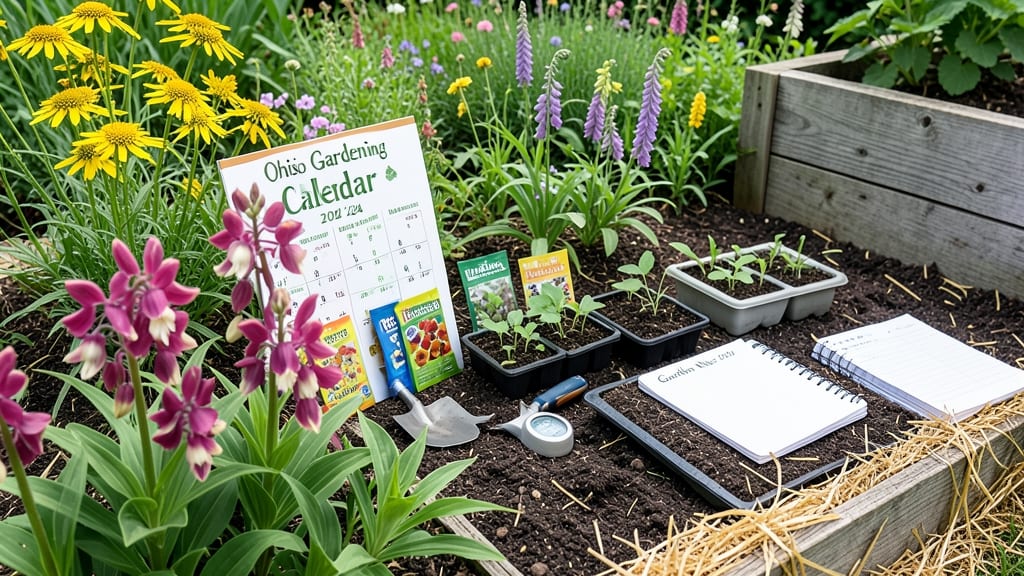
Planting your garden in Ohio after the last frost date—typically mid-April—is the key to avoiding stunted growth or lost crops.
Ohio’s unpredictable frost dates can turn your gardening dreams into a gamble—unless you know the exact timing for frost-sensitive crops like tomatoes, peppers, and cucumbers. Missing the window by even a week could mean stunted growth or total crop failure.
In zones 6a-6b, where most of Ohio falls, the 165-day frost-free season gives you a tight window to get seeds in the ground. Cool-season crops like lettuce and peas can go in as early as February, but warm-season favorites like tomatoes and peppers won’t tolerate frost.
Below, I’ll break down the perfect planting schedule for Ohio’s top crops, how to adjust for late frosts, and when to start seeds indoors to maximize your harvest.
Ohio’s frost dates by zone: last spring & first fall deadlines
Ohio’s USDA zones 5b-6a create a tricky balance for gardeners—late frosts in spring and early frosts in fall can ruin your hard work if you’re not prepared.
Knowing the average last frost dates (when it’s safe to plant warm-season crops) and first frost dates (when to harvest or protect plants) is the key to a thriving garden.
For most of Ohio, including Columbus, Cincinnati, and Cleveland, these dates shift slightly, so let’s break it down by zone.
In northern Ohio (Cleveland area, zone 5b), the last spring frost typically arrives between May 10-15, while southern Ohio (Cincinnati, zone 6a) sees its last frost around April 15-20.
The first fall frost hits northern Ohio by October 15-20, but southern Ohio often holds off until October 25-30. These dates aren’t set in stone—Ohio’s weather is famously unpredictable—but they give you a starting point for planning.
Here’s the 10-day rule I swear by: Wait 10 days after your average last frost date before planting frost-sensitive crops like tomatoes, peppers, and cucumbers. This buffer accounts for those late spring cold snaps that can still sneak in.
For example, if your last frost is May 10, don’t plant until May 20. Conversely, start harvesting or protecting plants 10 days before the first frost to avoid damage.
Now, let’s dive into the specifics with a zone-by-zone breakdown of Ohio’s frost dates, so you can tailor your planting schedule like a pro.
If you’re planting cool-season crops like lettuce, spinach, or peas, you can start them 4-6 weeks before your last frost date. These hardy plants can handle light frosts and may even taste sweeter after a frost.
For warm-season crops, like tomatoes and peppers, wait until after your last frost to avoid stunted growth or death. I’ve lost count of the tomato plants I’ve sacrificed to late frosts—don’t make my mistake!
For fall planting, focus on fast-maturing crops like bush beans, radishes, or kale. These can be sown 6-8 weeks before your first frost to ensure a harvest before the cold sets in.
If you’re growing overwintering crops like garlic or onions, plant them in late fall (October-November) so they establish roots before winter dormancy.
Ohio’s microclimates can also affect frost dates. Areas near large bodies of water (like Lake Erie) or urban heat islands (like downtown Cincinnati) may experience earlier last frosts or later first frosts than rural areas.
If you’re unsure, keep a soil thermometer handy—most seeds need soil temps of at least 60°F (15°C) to germinate properly.
To extend your growing season, use row covers, cold frames, or black plastic mulch to warm the soil and protect young plants. I’ve successfully grown spinach and carrots well into December using these methods in my zone 6a garden.
Just remember: even a light frost can damage tender plants, so always have a backup plan!
Finally, bookmark the Ohio State University Extension’s frost date maps for real-time updates. Their data is localized to your specific county, which can make a huge difference in your planting success. Happy gardening—and may your frost dates be ever in your favor!
Best planting calendar for Ohio’s top zero-frost risk vegetables
Ohio’s 165-day frost-free season is perfect for growing heat-loving crops, but timing is everything. Warm-season vegetables like tomatoes, peppers, and squash won’t survive frost, so knowing the exact planting window ensures a bountiful harvest.
Start seeds indoors or plant outdoors only after the last frost date, which typically falls between April 15-30 in most of Ohio.
For herbs like basil and cilantro, the rules are different—cilantro thrives in cooler weather, while basil needs warmth. Below, I’ll break down the month-by-month schedule for Ohio’s top zero-frost-risk crops, plus how to extend your growing season with row covers or cold frames to squeeze out extra harvests.
- March 1-15: Start tomato and pepper seeds indoors under grow lights (6-8 hours/day).
- April 1-15: Harden off seedlings and transplant tomatoes and peppers outdoors after last frost (soil temp ≥50°F).
- April 15-30: Direct-sow squash, cucumbers, and beans after soil warms to 60°F+.
- May 1-15: Plant basil and herbs like oregano and thyme (after frost risk passes).
- June 1-15: Succession plant bush beans and zucchini every 2-3 weeks for continuous harvests.
- July-August: Use row covers to protect fall crops like kale and spinach from early frosts.
- September 1-15: Start cool-season herbs (cilantro, parsley) indoors for fall transplanting.
If you’re worried about late frosts (which happen even in Ohio’s Zone 6), use row covers or cold frames to protect young plants. For example, a floating row cover can raise soil temps by 5-8°F, giving tender seedlings a fighting chance.
I’ve even used black plastic mulch to warm the soil faster for peppers, which need 70°F+ soil to thrive.
For herbs like basil, which bolt in heat, plant them in partial shade during July-August to extend their life. Cilantro, on the other hand, bolts in heat, so grow it in early spring or fall for the best flavor.
My trick? Plant cilantro in shade cloth during hot spells to keep it happy until harvest.
Don’t forget about succession planting! Crops like bush beans and zucchini produce for only a few weeks, so sow new seeds every 2-3 weeks from May through July.
This ensures you’ll have fresh produce all summer long. I’ve even planted fall squash in early August for a September-October harvest, just before the first frost.
By following this schedule, you’ll maximize your Ohio garden’s potential and avoid the heartbreak of lost crops. Whether you’re growing tomatoes, peppers, or herbs, timing is everything—and with these tips, you’ll be a seasoned pro in no time. Happy planting! 🌱