
Tools
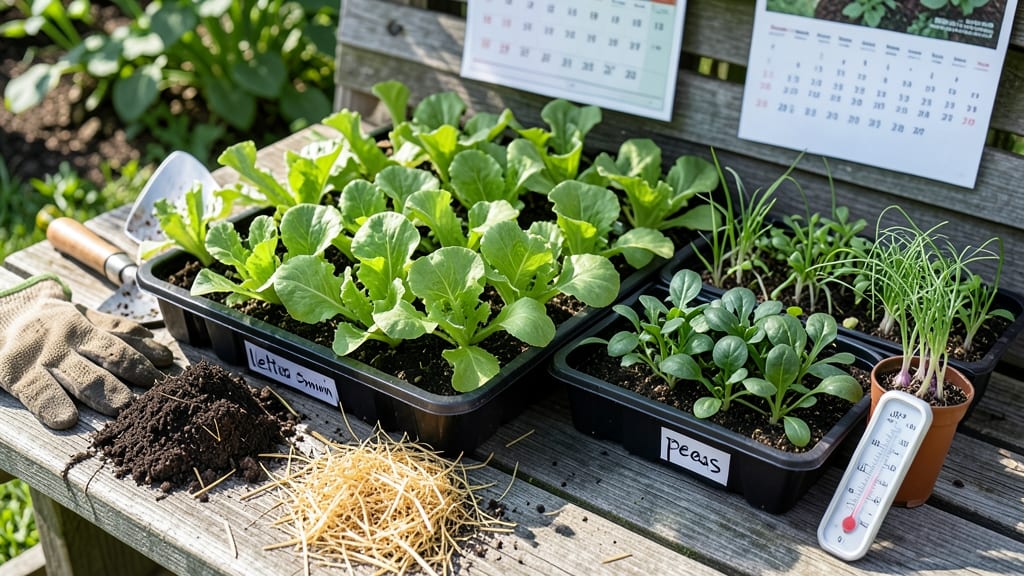
To start a garden in Ohio, aim for mid-April after the last average frost date—though your exact timing depends on what you’re planting and which part of the state you’re in.
Ohio’s unpredictable spring weather can make timing your garden planting a high-stakes guessing game—get it wrong, and your seedlings could freeze overnight. But with the right frost-free date strategy, you’ll know exactly when to plant everything from tomatoes to tulips in your Ohio garden zone.
Whether you’re a first-time gardener or a seasoned green thumb, understanding Ohio’s USDA zones and last frost dates is the key to a thriving garden. From cool-season crops like spinach to heat-loving peppers, this guide breaks down the best planting windows for your location.
You’ll also discover how to push your planting dates earlier with cold frames, row covers, and frost-tolerant varieties—so you can enjoy fresh produce sooner without risking your hard work to a late freeze.
Ohio frost-free dates by USDA hardiness zone: your planting timeline
Ohio spans five USDA hardiness zones (5a through 6b), each with its own last frost dates and planting windows. Knowing your zone helps you time warm-season crops (like tomatoes) and cool-season starts (like spinach) perfectly.
For example, zone 5a in northern Ohio freezes later than zone 6b in southern Ohio—sometimes by weeks!
Your frost-free date isn’t just about air temperature—it’s also about soil warmth. Most seeds need soil at 50°F+ to germinate, while tender plants like peppers require 60°F+.
Below, I’ve broken down Ohio’s zones with average last frost dates, first planting windows, and critical thresholds for your garden’s success.
🌱 Pro Tip: Use a frost clock (like the Old Farmer’s Almanac) to track local variations—your neighbor’s yard might frost a week earlier than yours!
| USDA Zone | Last Frost Date | First Planting Window | Warm-Season Threshold (°F) | Cool-Season Threshold (°F) | Key Crops to Start |
|---|---|---|---|---|---|
| Zone 5a (Northeast Ohio) | May 10–15 | Mid-May (after frost) | 60°F+ (peppers, tomatoes) | 40°F+ (spinach, peas) | Tomatoes, peppers, beans, lettuce |
| Zone 5b (Northeast/Central) | May 1–5 | Early May | 60°F+ | 40°F+ | Cucumbers, squash, kale, radishes |
| Zone 6a (Central/Southwest) | April 15–20 | Late April | 55°F+ (earlier for heat-lovers) | 35°F+ (hardy greens) | Peppers, eggplants, broccoli, carrots |
| Zone 6b (Southwest Ohio) | April 1–5 | Mid-April | 50°F+ (soil temp) | 30°F+ (cold-hardy starts) | Tomatoes, basil, onions, peas |
If you’re in zone 5a, don’t rush to plant tomatoes until after May 10—even a light frost can kill young plants. Meanwhile, zone 6b gardeners can start warm-season crops as early as mid-April, but always check soil temperature first with a thermometer.
For cool-season crops like spinach or peas, you can plant 4–6 weeks before your last frost date. In zone 5a, that means early April, while zone 6b can start in mid-March. These plants thrive in cooler temps and even tolerate light frosts!
🌡️ Critical Tip: Use row covers or cold frames to extend your planting window by 2–3 weeks in early spring. Just remove them when flowers appear (to prevent overheating).
Ever wonder why your tomatoes bolt to flower too early? It’s often because you planted them too soon—wait until nighttime temps stay above 55°F consistently. For peppers, aim for 65°F+ soil to avoid stunted growth.
Ohio’s first frost typically arrives between October 15–30, depending on your zone. Use this as your cue to harvest warm-season crops like peppers and eggplants before temps drop below 40°F. For cool-season crops, you can often push harvests into November with row covers.
📅 Action Step: Mark your calendar with your zone’s last frost date and set reminders for 6 weeks before to start indoor seedlings (like tomatoes or herbs). This gives them time to grow strong before transplanting outdoors.
Need to find your exact USDA zone? Use the USDA Plant Hardiness Zone Map (usda.gov) and enter your ZIP code. If you’re on the border between zones (like 5a/5b in Northeast Ohio), err on the side of caution—plant warm-season crops a week later than the later zone’s date.
Best planting schedule for Ohio gardens: what to sow when by month
Ohio’s gardening season is a delicate balance between chilly springs and hot summers, making timing everything. Whether you’re growing cool-season greens like spinach or heat-loving tomatoes, knowing the right month to plant ensures a bountiful harvest.
Southern Ohio’s warmer microclimates (like USDA Zone 6b) allow earlier starts than northern areas (like Zone 5a), so adjust accordingly.
For cold-hardy crops, like kale and peas, I start sowing as early as late March under protective covers. Meanwhile, warm-season favorites like peppers and eggplants wait until after Memorial Day when soil temperatures reliably stay above 60°F.
Ohio’s average last frost dates range from April 15 in southern Ohio to May 15 in the north, so plan ahead!
- March: Start cool-season veggies indoors (spinach, lettuce) and sow hardy peas outdoors with row covers.
- April: Direct-sow carrots, radishes, and onions after soil warms to 50°F. Transplant broccoli and cabbage starts.
- May: Plant tomatoes, peppers, and cucumbers after last frost (use black plastic mulch to warm soil faster).
- June: Sow fall crops like kale and beans for a second harvest. Deadhead annual flowers for continuous blooms.
- July-August: Direct-sow cool-season crops (spinach, arugula) for fall harvests.
- September: Plant garlic, onions, and hardy herbs (like parsley) for spring harvests.
My top 3 Ohio-friendly plants for beginners are bush beans (easy to grow), zucchini (prolific producer), and marigolds (deter pests naturally). For extended seasons, I recommend cold frames in spring or row covers in fall to protect tender crops like basil until first frost.
Southern Ohio gardeners can push warm-season crops like tomatoes 2 weeks earlier than northern Ohio, thanks to milder nights. For example, in Cincinnati (Zone 6a), I plant peppers in late April under cloches, while in Toledo (Zone 5b), I wait until mid-May.
Always check soil temperature—peppers need 70°F+ to thrive!
Don’t forget perennials and flowers! Plant daylilies, coneflowers, and lavender in early spring (April) for low-maintenance blooms all season. Herbs like thyme and oregano are drought-tolerant once established, making them perfect for Ohio’s hot summers.
Pro tip: Keep a gardening journal to track your local frost dates and adjust future years. Over time, you’ll spot patterns—like 2023’s late frost that delayed my tomato planting by a week. With this schedule, you’ll maximize your Ohio garden’s potential while minimizing frost risks. Happy planting! 🌿