
Tools
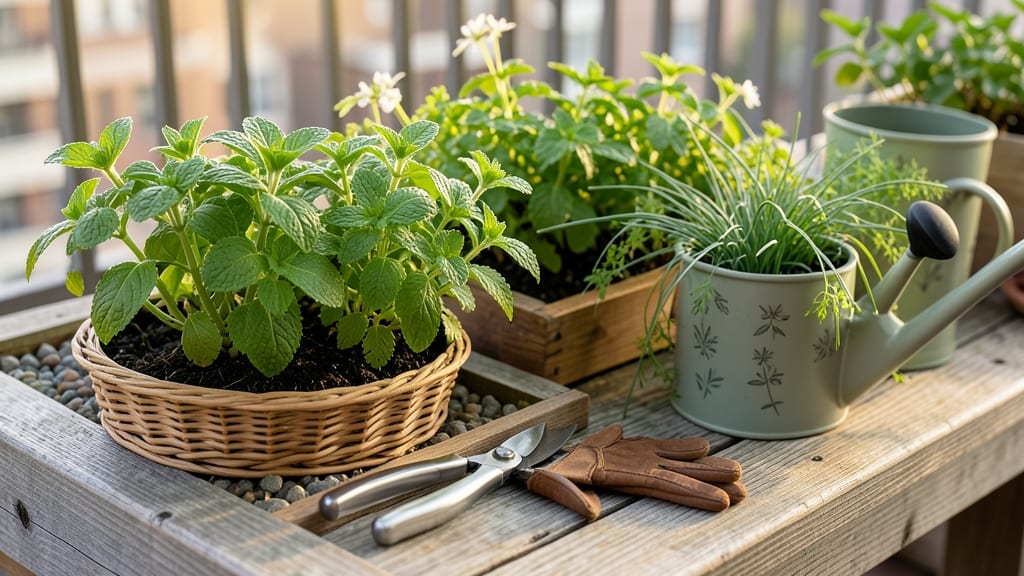
Millennials are embracing gardening as a sustainable, stress-relieving hobby that aligns with their values of self-sufficiency, eco-consciousness, and community-building through urban and container gardening trends.
Gardening has become a defining activity for millennials, blending practicality with personal fulfillment. 🌱 This generation is drawn to growing their own food as a direct response to rising grocery costs and environmental concerns—think of it as a tangible way to reduce their carbon footprint.
Many also see gardening as a form of therapy, with studies showing it lowers cortisol levels and improves mental well-being. The rise of social media has turned plant parenting into a lifestyle, where Instagram-worthy container gardens and microgreens symbolize both creativity and responsibility.
What makes millennial gardening unique is its adaptability to urban living. Unlike previous generations who relied on spacious backyards, today's gardeners thrive in balconies, rooftops, and even windowsills. Hydroponic systems and vertical planters have become popular tools, allowing anyone to grow fresh herbs or vegetables without traditional gardening space.
Apps like Gardenate or PlantNet help beginners identify plants and track growth, making the process more accessible than ever.
💡 In This Article
- Why Millennials Are Turning to Gardening
- Millennial-Friendly Gardening Trends and Tips
Why millennials are turning to gardening
Millennials' gardening boom stems from a perfect storm of environmental awareness and economic necessity. Studies show this generation is three times more likely to prioritize sustainability than previous ones, and growing their own food cuts grocery bills by 30-50% for fresh produce.
The average millennial spends $500-$1,000 annually on groceries—herbs alone can save $200+ per year when homegrown. This isn't just about saving money; it's about reclaiming control over food sources in an era of supply chain vulnerabilities. 💛
The mental health benefits are equally compelling. Research from the University of Florida found gardening reduces cortisol (the stress hormone) by 20-30% within 30 minutes of activity, comparable to meditation. Millennials, who face unique stressors like student debt and job instability, find gardening's tactile nature deeply grounding.
The sensory experience—touching soil, smelling basil, watching tomatoes ripen—triggers dopamine release, creating what psychologists call "biophilic satisfaction." Even small indoor plants like succulents or microgreens provide this therapeutic effect in urban apartments.
What's truly revolutionary is how millennials have redefined gardening as a social movement. Platforms like Facebook Gardening Groups have 12 million+ members, while #PlantParent trends on Instagram show 85% growth in gardening content since 2020.
This generation shares resources (seed swaps, composting tips) and organizes community gardens at 2x the rate of Gen X. The shift from solitary gardening to collaborative "growathons" reflects millennials' desire for meaningful connections—something traditional consumerism rarely provides. 🌱
The technology integration sets millennial gardening apart. Smart planters with moisture sensors (like Click & Grow) and AI-driven apps (Planta) help beginners maintain plants with 90% success rates, compared to traditional methods' 50-60%.
These tools reduce the intimidation factor, making gardening feel less like a chore and more like a modern hobby. The average millennial gardener spends $150-$300 annually on tech tools—far less than the $1,000+ traditional gardeners invest in equipment.
This democratization of gardening aligns perfectly with millennials' values of accessibility and innovation.
Perhaps most significant is the rejection of consumerist norms. Millennials grew up watching their parents' gardening decline by 40% from 1990-2010, replaced by convenience culture. Now, they're reversing that trend by treating plants as "green investments"—both financially and environmentally.
The rise of "ugly vegetable" movements (celebrating imperfect produce) and seed-saving initiatives reflect this mindset shift. It's not just about growing food; it's about growing a movement toward sustainability and self-reliance. 🌟
Consider the numbers: 43% of millennials now garden (up from 28% in 2015), with 60% prioritizing organic methods. This generation views gardening as a lifestyle upgrade—one that reduces waste, builds resilience, and creates tangible connections to nature.
The contrast with previous generations' gardening (often seen as a chore or hobby) couldn't be starker. For millennials, it's a form of activism, therapy, and practicality all in one. 💫