
Tools
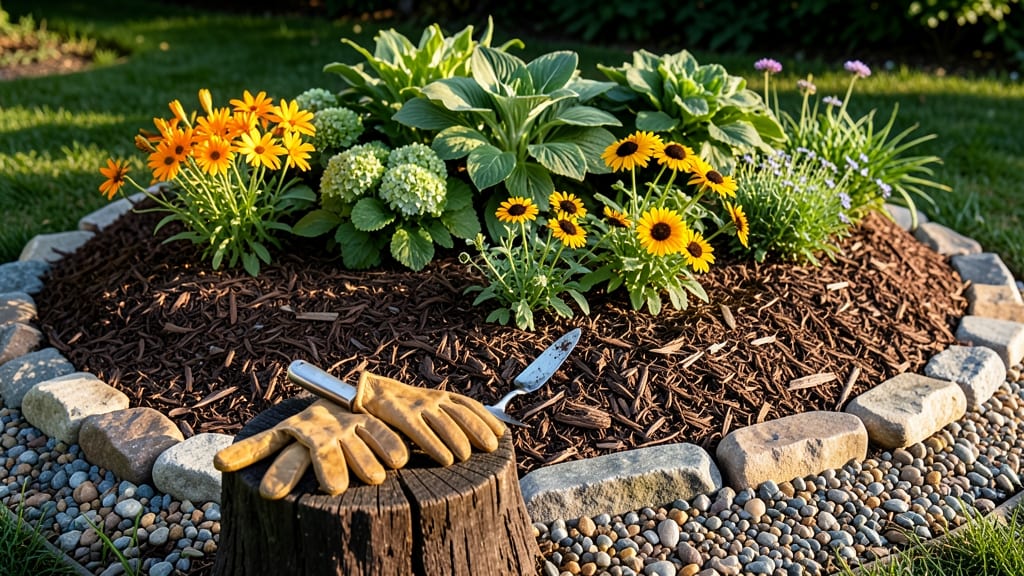
Creating mound garden bed ideas can turn a flat, underused corner into a thriving, elevated oasis that works with your body—and your plants.
Picture this: no more bending over to weed, no more soggy soil after rain, and a space where every plant gets the perfect drainage it craves. The best part? You don’t need a green thumb or a massive yard to pull it off.
Whether you’re dealing with clay-heavy soil or just want to add visual interest, mound beds are the game-changer for small or large gardens alike.
From classic rectangular shapes to free-form curves, these elevated designs let you mix textures—think mulch, rocks, or even driftwood—while keeping pests at bay. And because they’re built to last, you’ll spend less time fixing and more time enjoying the results.
Below, I’ll walk you through material choices, plant pairings, and how to blend them into any garden style, from cottage charm to modern minimalism.
Ready to ditch the flat, forgettable garden? Let’s build something that grows—literally and visually—with year-round beauty and zero back pain.
How to build raised mound beds for better plant growth
Mound garden beds are my go-to solution for creating accessible, high-yield garden spaces that work with any landscape—even flat yards or sloped terrain. Unlike traditional raised beds, mound beds blend seamlessly into your garden while improving drainage, soil aeration, and plant health.
The best part? They’re budget-friendly and customizable to fit any size garden, from tiny urban patios to sprawling backyard plots.
When building mound beds, the key is layering—starting with a sturdy base, adding nutrient-rich soil, and topping with mulch or decorative stones to retain moisture and suppress weeds.
The gentle slope (typically 15-25 degrees) ensures water runs off naturally, preventing root rot while keeping plants upright and visible for easy maintenance. Whether you’re growing vegetables, perennials, or ornamental plants, mound beds create a low-maintenance, high-impact solution.
Step-by-Step Guide to Building Your Mound Bed
-
Step 1: Choose Your Location
Select a sunny, level spot (or gently sloped) with 6+ hours of sunlight daily. Avoid low areas where water pools. -
Step 2: Mark the Shape
Use stakes and string to outline your design (rectangular, circular, or freeform). Aim for 3-4 feet wide at the base for easy access. -
Step 3: Build the Base
Remove grass/sod and add 4-6 inches of cardboard (to block weeds). Layer with branches, logs, or old lumber for structural support. -
Step 4: Add Soil Layers
Start with 6 inches of coarse material (gravel or sand), then 12 inches of topsoil mixed with compost (ratio: 2:1 soil to compost). -
Step 5: Shape the Mound
Pile soil into a gentle slope (15-25 degrees). Use a board as a guide to create even sides. Leave the top 12-18 inches wide for planting. -
Step 6: Secure the Edges
Anchor with landscape fabric, rocks, or wood chips to prevent erosion. For a polished look, use decorative stones or bricks. -
Step 7: Mulch and Plant
Top with 3-4 inches of mulch (straw, wood chips, or pine needles). Plant tallest plants in the center and shorter ones around the edges.
For material options, I recommend wood chips or straw mulch for organic decomposition, but gravel or pavers work well for modern designs. If you’re using wood, opt for cedar or redwood (naturally rot-resistant) or line the base with plastic edging to extend the bed’s lifespan.
Pro tip: Add a drip irrigation system along the edges to deliver water directly to roots without disturbing the mound’s structure.
One of my favorite mound bed designs combines perennials on the outer edges (like coneflowers or black-eyed Susans) with vegetables in the center (such as tomatoes or peppers).
This creates a living tapestry that’s both functional and beautiful. Plus, the elevated height makes harvesting easier on your back—no more bending over!
If you’re working with clay soil (which drains poorly), mound beds are a game-changer. The natural slope prevents waterlogging, while the added compost improves soil structure over time. For sandy soil, mix in peat moss or coconut coir to retain moisture.
Always test your soil’s pH before planting—most vegetables thrive in 6.0-7.0, while blueberries need 4.5-5.5.
For accessibility, add a stepping stone path around the mound’s perimeter or install built-in seating using stacked logs or half-buried benches. This turns your garden into a functional outdoor living space where you can relax while tending to your plants.
Just ensure the slope isn’t too steep—15 degrees or less is ideal for safe movement.
Maintenance is minimal! Water deeply 2-3 times per week (more in hot, dry climates), and top up mulch annually to retain moisture. Avoid walking on the mound to prevent soil compaction.
If weeds pop up, pull them early before they seed. With proper care, your mound bed will thrive for years, producing bigger, healthier plants with less effort.
Ready to start? Grab your shovel, compost, and favorite plants—your low-maintenance, high-reward garden is just a mound away! 🌱
Best plants for mound garden beds by season and sunlight
Mound garden beds offer the perfect solution for drought-tolerant plants and water-wise gardening because their elevated design improves drainage and reduces soil compaction. Whether you're working with full sun exposure or partial shade conditions, the right plant selection ensures vibrant blooms and healthy growth year-round.
For sun-loving varieties, opt for drought-resistant perennials like lavender, sedum, and Russian sage. These thrive in well-draining soil and require minimal watering once established. In shadier spots, hostas, ferns, and astilbes add lush texture without demanding extra care.
Seasonal planning is key—spring bulbs like daffodils and tulips naturalize beautifully, while summer annuals such as zinnias and marigolds provide instant color. Edible plants like strawberries and thyme also flourish in mound beds, making them ideal for small-space gardens.
| Plant Type | Sunlight Needs | Water Needs | Seasonal Blooms | Mature Height |
|---|---|---|---|---|
| Lavender | Full Sun | Low | Spring-Summer | 2-3 ft |
| Russian Sage | Full Sun | Moderate | Summer-Fall | 3-5 ft |
| Hostas | Partial Shade | Moderate | Summer | 1-2 ft |
| Zinnias | Full Sun | Moderate | Summer-Fall | 1-4 ft |
| Strawberries | Partial Sun | Moderate | Spring | 6-12 in |
To maximize your mound bed's potential, group plants with similar water and sunlight requirements. For example, pair drought-tolerant succulents with low-maintenance perennials like sedum to create a cohesive, water-efficient landscape.
Don't overlook edible plants—herbs like rosemary and oregano thrive in mound beds and add aromatic interest. For a year-round harvest, interplant cool-season greens like kale with warm-season tomatoes to extend your growing window.
With the right plant selection, your mound garden bed will become a low-maintenance showstopper that attracts pollinators and enhances your outdoor space. Start small, experiment with textures, and enjoy the rewards of elevated gardening! 🌱