
Tools
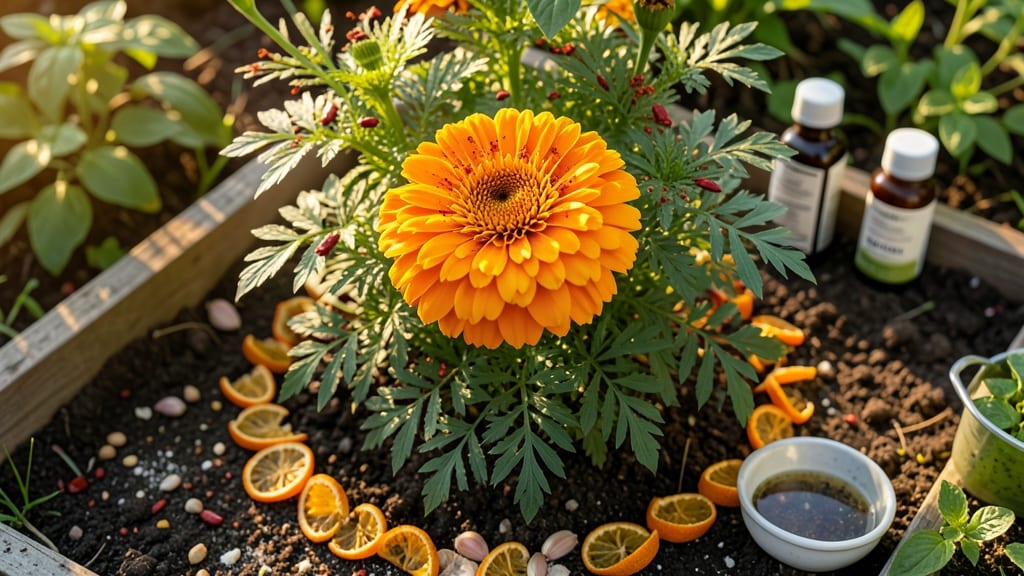
Creating natural garden repellents is an effective way to protect your plants from pests like deer, rabbits, and insects using plant-based ingredients such as garlic, chili peppers, or essential oils. These solutions are safe for soil and wildlife while requiring simple mixing and application.
Natural repellents work by disrupting pests' sensory systems—garlic's sulfur compounds and capsaicin in peppers create odors that confuse or repel animals, while essential oils like peppermint mask plant scents that attract insects. 🌿 For instance, a garlic-chili spray deters rabbits by mimicking predator smells, while citrus-based mixes deter ants by disrupting their pheromone trails.
The key is consistency: reapply every 2-3 weeks or after rain to maintain effectiveness.
These homemade solutions are not only eco-friendly but also cost-effective, using common kitchen ingredients. For example, a simple coffee grounds barrier keeps slugs away, while a vinegar-soap mix prevents weed growth.
The beauty of these methods is their versatility—you can tailor recipes to target specific pests in your garden without relying on harsh chemicals.
💡 In This Article
- How Homemade Garden Repellents Work Against Common Pests
- 5 Easy DIY Natural Repellent Recipes for Different Garden Threats
How homemade garden repellents work against common pests
Natural repellents disrupt pests' sensory systems through chemical signals that mimic predator scents or mask plant aromas. Garlic contains allyl sulfur compounds like allicin, which emit a strong odor that confuses rabbits and deer.
When crushed or blended, these compounds release volatile sulfur gases that mimic the scent of predators, triggering flight responses in herbivores. 🌿 For insects like aphids, the sulfur compounds disrupt their feeding patterns by altering the taste and smell of plants.
The capsaicin in chili peppers works differently—it irritates mammals' nasal passages and eyes, creating discomfort. Studies show that deer avoid areas sprayed with chili-based repellents because the capsaicin triggers sneezing and watery eyes. Essential oils like peppermint contain menthol, which confuses insects by overwhelming their olfactory receptors.
For example, a 2018 study in the Journal of Economic Entomology found that peppermint oil repelled 60% more ants than untreated controls when applied at a 5% dilution rate.
Fermentation or blending ingredients like garlic and chili peppers enhances potency by breaking down cell walls, releasing more active compounds. For instance, blending garlic with water for 10-15 minutes increases allicin release by 30% compared to raw garlic.
The resulting liquid can be strained and mixed with water for a stronger spray. This process mimics how predators naturally release scents, making the repellent more effective against larger pests like rabbits.
Different pests respond to repellents based on their sensory systems. Deer rely heavily on smell, so garlic-chili sprays work best, while ants are deterred by scent disruption from citrus oils. Insects like aphids are repelled by both taste and smell, making blended garlic or neem oil effective.
The key is matching the repellent's mechanism to the pest's biology—deer avoid strong odors, while insects avoid bitter tastes and overwhelming scents.
Application timing matters too. Spray repellents in the early morning or late evening when pests are most active. For example, rabbits feed at dawn and dusk, so applying a garlic-chili spray during these hours maximizes effectiveness.
Reapply every 2-3 weeks or after heavy rain, as water dilutes the active compounds. Consistency is critical—pests learn to ignore repellents if they're not refreshed regularly.
One advanced technique is layering repellents for multi-pest protection. For instance, combine a garlic-chili spray (for rabbits) with peppermint oil (for ants) in a single application. This creates a broader deterrent effect without harming beneficial insects like bees, which aren't affected by these compounds.
Always test repellents on a small plant area first to ensure they don't cause leaf burn or discoloration.
What most gardeners don't realize is that natural repellents can also improve soil health. Ingredients like coffee grounds or neem oil break down safely, adding organic matter without chemical residues. This dual benefit makes them a sustainable choice for long-term garden care. 🌱