
Tools
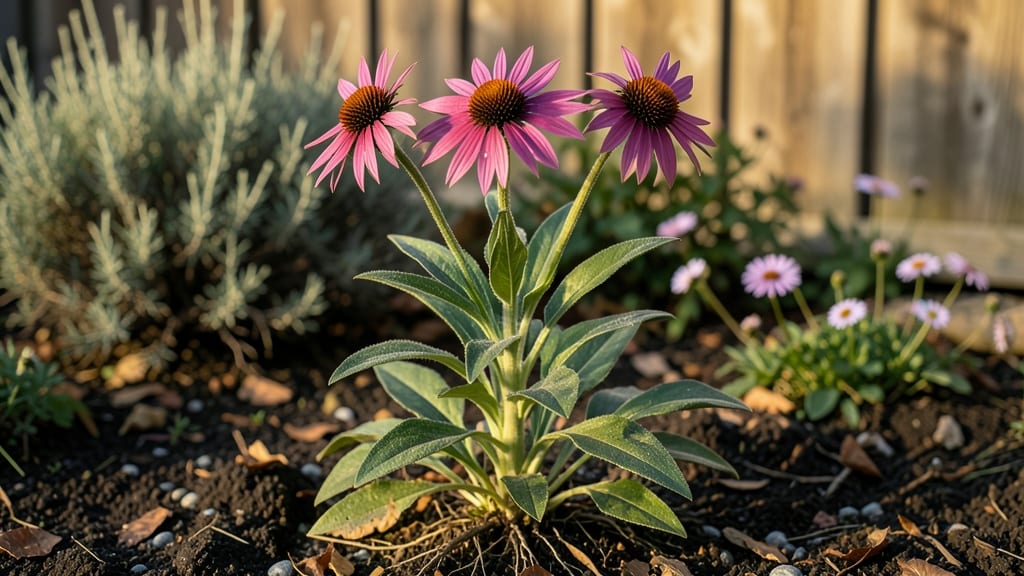
The new garden eye sensor monitors soil moisture, temperature, and plant health wirelessly by burying it near roots, connecting it to a companion app, and configuring custom alerts for ideal growing conditions.
The garden eye sensor revolutionizes plant care by providing real-time data that helps you make informed decisions about watering and soil conditions. 🌱 Unlike traditional methods, this device continuously tracks moisture levels and temperature at the root zone, where it matters most.
The companion app transforms raw data into actionable insights, like when to water or if your plants are stressed from heat. I've found it especially useful for container gardens or high-value plants where precision matters most.
What sets this tool apart is its ability to adapt to different plant types. You can set specific thresholds for each plant, ensuring they receive exactly what they need without over- or under-watering.
The wireless connectivity means no more tangled cords or guesswork—just reliable data delivered straight to your phone. For gardeners who want to grow smarter, not harder, this is a game-changer.
💡 In This Article
- How a Garden Eye Sensor Works for Smart Gardening
- Step-by-Step Setup Guide for Garden Eye Installation
How a garden eye sensor works for smart gardening
The garden eye sensor operates using a combination of advanced environmental monitoring and wireless communication technology. At its core, it contains three key sensors: a capacitive soil moisture sensor, a thermistor for temperature measurement, and a photodiode for light intensity tracking.
The capacitive sensor detects moisture by measuring the dielectric constant of the soil—water molecules change the electrical properties, allowing the device to calculate moisture levels with high precision, even in mineral-rich soils where traditional resistive sensors fail. 🔥
Data transmission happens through a low-power Bluetooth or Wi-Fi module, depending on the model, which sends readings to your smartphone every 5-15 minutes (configurable). The sensor's battery is designed to last 6-12 months on a single charge, thanks to optimized sleep cycles where it wakes only to take measurements.
What's impressive is how the device processes raw data locally before transmitting—this reduces power consumption and ensures you get clean, actionable metrics without app lag. The temperature sensor, for instance, operates within a 32°F to 122°F range, which covers nearly all gardening climates.
Real-time monitoring works because the sensor sits at the root zone—typically 2-4 inches below the soil surface—where plants actually absorb water and nutrients. This placement gives you data that matches what your plants experience, rather than surface-level readings that might mislead you.
For example, if you water from above, the topsoil might appear moist while roots remain dry—something the garden eye detects immediately. The app then cross-references this with plant-specific thresholds (like 40-60% moisture for tomatoes) to trigger alerts when conditions stray from ideal ranges.
What makes this technology stand out is its adaptive learning feature. Many models allow you to input your specific soil type (sandy, loamy, clay) and plant varieties, which the app uses to refine its recommendations over time.
For instance, succulents need far less water than leafy greens, and the system learns these preferences as you interact with it. The light sensor adds another layer by tracking photosynthetically active radiation (PAR), helping you understand how much sunlight your plants are actually receiving compared to their needs.
Understanding the science behind these readings helps you make better decisions. For example, sudden temperature spikes above 85°F can stress plants, while moisture levels below 30% trigger wilting alerts. The sensor doesn't just tell you "water your plant"—it explains why based on real-time conditions.
This level of detail is what transforms gardening from guesswork to precision agriculture, even for home gardeners. 🌱
For those curious about the hardware, most garden eye sensors use a stainless steel probe for durability, with a waterproof casing rated IP67 to handle outdoor conditions. The Bluetooth version typically has a 30-50 foot range, while Wi-Fi models connect directly to your home network for broader coverage.
The trade-off? Bluetooth is more energy-efficient, while Wi-Fi offers more stable connections in larger gardens.