
Light Requirements
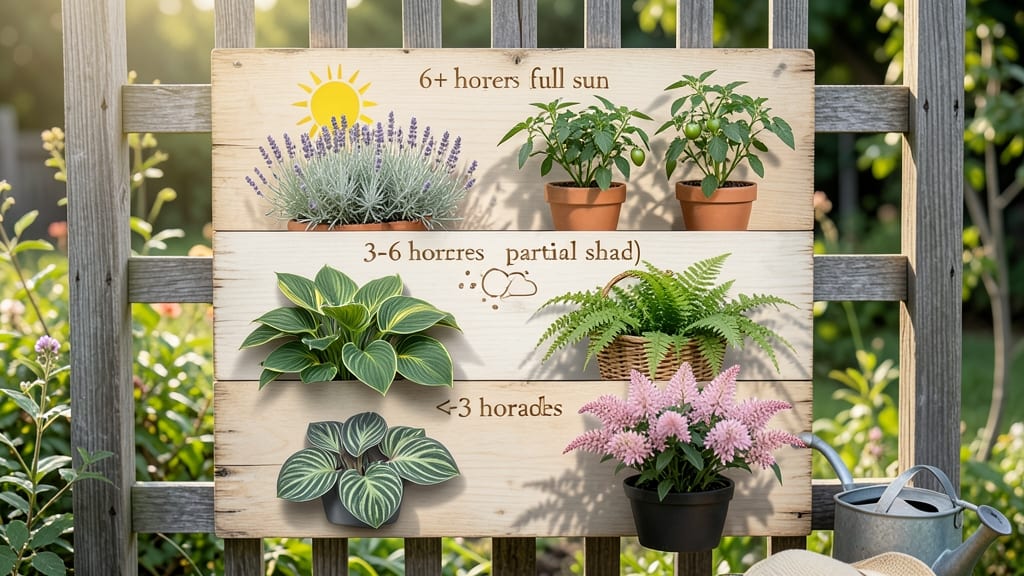
To determine how much sunlight a garden needs, match plant types to light exposure: full-sun plants need 6-8+ hours daily, partial-shade plants thrive with 3-6 hours, and shade-loving plants require under 3 hours. Your local climate zone also affects sunlight availability and plant selection.
A garden's sunlight needs vary dramatically based on what you're growing. 🌱 For example, sun-loving tomatoes and marigolds demand full sun, while ferns and hostas flourish in dappled shade. Even within categories, intensity matters—some plants prefer bright morning sun with afternoon shade.
I've found that observing your yard's natural light patterns at different times of day helps avoid overcrowding sun-seeking plants in shady spots. Climate plays a huge role too: Northern gardens often need more shade-tolerant varieties than Southern ones due to shorter daylight hours in winter.
Microclimates within your yard can create unexpected light variations. A wall or large tree might cast shadows that change with the seasons, so I always recommend testing your garden's light conditions for a full week before planning layouts.
This simple step saves headaches later when plants struggle or outgrow their light conditions. The key is balancing your plants' natural requirements with your property's actual light availability.
💡 In This Article
- Sunlight Requirements by Plant Categories
- Adjusting Garden Sunlight for Different Climate Zones
Sunlight requirements by plant categories
Understanding how much sunlight different plants need starts with recognizing that sunlight isn't just about hours—it's about intensity and timing. Full-sun plants, like tomatoes or lavender, require 6-8+ hours of direct sunlight daily, but the quality matters too.
These plants thrive with bright, unfiltered light that hits them from above, especially between 10 AM and 4 PM when UV rays are strongest. For example, a tomato plant in partial shade might produce fewer fruits because the lower light levels reduce photosynthesis efficiency by up to 30%. 🔥
Partial-shade plants, such as coleus or impatiens, need 3-6 hours of sunlight, but they often prefer morning sun with afternoon shade to prevent leaf scorch.
The difference here is that these plants can tolerate filtered or diffused light, like what passes through a 60-70% shade cloth or dappled sunlight from a light canopy. Think of them as the Goldilocks of the garden—not too much, not too little, but just right.
For instance, hostas in full sun will develop brown, crispy edges, while the same plant in partial shade stays lush and green.
Shade-loving plants, like ferns or caladiums, need under 3 hours of direct sunlight, often thriving in spots that receive only bright, indirect light. These plants have adapted to low-light conditions by developing broader leaves to capture more diffuse light.
In fact, some shade plants, such as peace lilies, can even grow under artificial grow lights for 12-14 hours per day if natural light is insufficient. The key is avoiding deep shade, where plants struggle to photosynthesize enough to sustain growth.
Herbs often get overlooked in sunlight discussions, but their needs vary widely. Rosemary and thyme are full-sun herbs, while parsley and cilantro prefer partial shade.
The difference comes down to their native habitats: Mediterranean herbs like rosemary evolved in bright, dry conditions, while parsley thrives in moist, woodland settings.
Even within the same plant, like basil, younger leaves can handle more shade, while mature plants need at least 4-6 hours of sun to produce flavorful leaves.
Vegetables present another layer of complexity. Leafy greens like spinach and lettuce can bolt (go to seed prematurely) in full sun during hot summers, so they often do better with 3-4 hours of morning sun.
On the other hand, peppers and eggplants need full sun to ripen properly, as their fruits rely on consistent energy from photosynthesis. The lesson here? Observe how your plants respond to light conditions and adjust accordingly—what works in one climate may fail in another.
One often-overlooked factor is light intensity, which varies by season and location. In high-altitude gardens, sunlight is 10-15% more intense due to thinner atmosphere, while coastal areas may have brighter but cooler light due to reflection off water.
This means a plant labeled as "full sun" in a USDA Zone 5 garden might need slightly less light in Zone 9. Always consider your local conditions when planning your garden layout. ✨