
Light Requirements
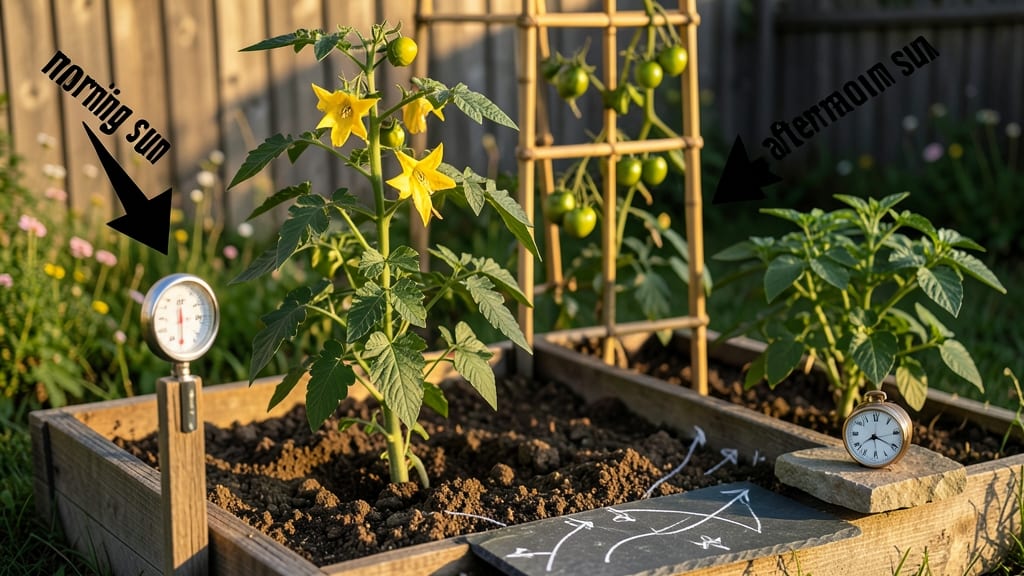
A vegetable garden needs morning sun for optimal growth, as cooler temperatures reduce water evaporation and prevent scorching, while afternoon sun can stress plants with intense heat and dehydration risks. Most veggies thrive with 6-8 hours of direct sunlight, prioritizing morning exposure for best results.
Morning sunlight provides the perfect balance for vegetable gardens because its gentler intensity helps plants absorb energy without overheating. 🌞 The cooler temperatures during morning hours also mean less water loss through evaporation, keeping your plants hydrated longer.
I've noticed that leafy greens like spinach and kale grow especially well with morning sun exposure, as they're more sensitive to heat stress. For heat-loving crops like tomatoes or peppers, a mix of morning sun with some afternoon exposure can work, but always monitor for wilting signs.
What's interesting is how regional climates play into this.
In hotter areas, afternoon shade becomes crucial to protect plants from scorching, while cooler climates might handle more afternoon sun without issues. 🌡️ The key is observing your garden's specific needs—some plants may even benefit from a few hours of afternoon sun if they're properly watered and shaded during peak heat.
💡 In This Article
- Why Morning Sun Benefits Vegetable Growth More Than Afternoon Sun
- Best Vegetable Types for Morning vs. Afternoon Sun Exposure
Why morning sun benefits vegetable growth more than afternoon sun
Morning sunlight offers a gentler energy source for plants because its UV intensity is typically 30-40% lower than midday or afternoon sun. This lower UV exposure means less risk of sunburn or leaf scorching, especially for delicate vegetables like lettuce or basil.
The cooler morning temperatures—often 10-15°F lower than afternoon peaks—help plants conserve water by reducing evaporation rates from leaves. This is critical because plants lose 90% of their water through transpiration, and cooler mornings minimize this loss.
The science behind this lies in photosynthesis efficiency. Plants convert sunlight into energy most effectively when temperatures stay between 68-77°F. Morning light provides the perfect balance—enough energy for growth without the heat stress that afternoon sun brings.
For example, tomatoes exposed to afternoon sun can experience heat stress above 86°F, leading to blossom drop and reduced fruit set. Meanwhile, morning sun allows them to photosynthesize efficiently while avoiding afternoon heat spikes.
Soil temperature also plays a hidden role. Morning sun warms the soil gradually, creating ideal conditions for root development. Cooler soil retains moisture better, which is vital for shallow-rooted plants like radishes or carrots.
In contrast, afternoon sun can cause soil temperatures to rise rapidly, sometimes exceeding 100°F in hot climates, which can damage roots and stunt growth. This is why many gardeners use mulch—it acts like a thermal regulator, keeping soil temperatures stable and mimicking the benefits of morning sun exposure.
Humidity levels add another layer to this equation. Afternoon sun often coincides with higher humidity, which can create the perfect storm for fungal diseases like powdery mildew. The combination of heat, moisture, and prolonged sunlight creates ideal conditions for spores to germinate.
Morning sun, however, typically comes with lower humidity, reducing disease pressure. This is why leafy greens like spinach or Swiss chard thrive in morning sun—they're less prone to fungal infections and maintain their vibrant color.
Consider the case of peppers, which are often labeled as heat-tolerant. While they can handle some afternoon sun, their optimal growth occurs when they receive morning light followed by partial afternoon shade.
The morning sun provides the energy they need, while afternoon shade prevents the 30% yield reduction that can occur from heat stress. This balance is what makes morning sun the gold standard for most vegetable gardens.
One exception worth noting is desert climates, where afternoon sun may be less intense due to dry air. In these cases, plants might tolerate afternoon exposure better because the low humidity reduces heat stress.
However, even in arid regions, morning sun remains preferable because it avoids the peak heat intensity that occurs just before sunset in desert environments.