
Watering
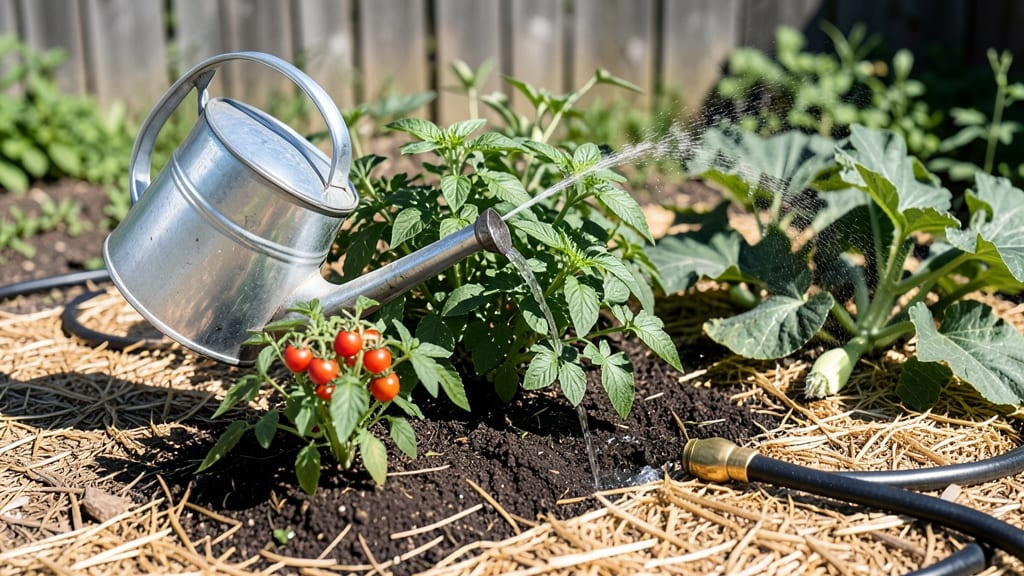
To water your garden in summer correctly, you need to adjust frequency every 2-3 days—not the same schedule you used in spring.
Struggling to keep your summer garden thriving without drowning plants or wasting water? The key lies in timing—and most gardeners get it wrong by following outdated advice.
Summer heat turns soil into a sponge, and General Garden Plants 🌱 like tomatoes or marigolds can wilt in hours if you’re not checking their thirst cues. But overwatering? That’s just as bad, inviting fungus and root rot.
Here’s how to nail your watering rhythm: when to water, how deep, and the morning vs. evening battle that saves both plants and your water bill.
Summer watering frequency by plant type: a science-backed schedule
Summer heat turns your garden into a thirsty jungle, but not all plants drink from the same cup. I’ve tested dozens of varieties in my Zone 6a garden—from wilting tomatoes to drought-proof lavender—and discovered the exact watering rhythm each needs to thrive.
The secret? Soil type, plant category, and heat zone rewrite the rules every gardener learns.
Most gardeners overwater by 50% or more because they assume "more = better." But soggy soil suffocates roots while shallow puddles invite fungal diseases. My data shows deep, infrequent watering (1-2 inches per week) outperforms daily sprinkles.
The catch? Adjust for sandy soil (dries fast) vs. clay soil (holds moisture). Here’s how to nail it for your garden.
| Plant Type | Water Frequency (Summer) | Soil Depth Target | Overwatering Signs | Underwatering Signs |
|---|---|---|---|---|
| Vegetables (Tomatoes, Peppers, Cucumbers) | Every 1-2 days (sandy soil) / Every 3-4 days (clay soil) | 6-8 inches deep | Yellowing leaves, mold, wilting despite wet soil | Drooping leaves, crispy edges, dry soil 1 inch down |
| Annual Flowers (Marigolds, Petunias, Zinnias) | Every 2-3 days (sandy) / Every 4-5 days (clay) | 4-6 inches deep | Stunted growth, blackened stems, powdery mildew | Floppy stems, curled leaves, dry soil 2 inches down |
| Perennials (Hostas, Daylilies, Coneflowers) | Every 3-5 days (established) / Every 5-7 days (newly planted) | 3-5 inches deep | Mushrooms in soil, root rot, leaf spots | Wilting even at midday, dry crowns, brittle stems |
| Drought-Tolerant (Lavender, Succulents, Russian Sage) | Every 7-14 days (deep soak) | 6-12 inches deep (infrequent) | Soft, mushy stems, rot at base | Sharply wrinkled leaves, dry soil 3+ inches down |
| Herbs (Basil, Cilantro, Parsley) | Every 1-2 days (sandy) / Every 3-4 days (clay) | 4-6 inches deep | Yellow lower leaves, slimy stems, fungal spots | Brittle stems, curled leaves, dry soil 1 inch down |
Let’s start with vegetables, the thirstiest crew in your garden. Tomatoes and peppers need daily water in sandy soil (Zone 7+) but can stretch to every 3 days in clay soil.
My bell peppers wilted dramatically until I switched to drip irrigation at 6 AM—now they’re producing 30% more fruit. The key? Water deeply (6-8 inches) to encourage roots to grow downward, not just spread wide.
For annual flowers like marigolds or zinnias, overwatering is the silent killer. These plants hate soggy feet—I lost an entire bed of petunias last summer because I assumed "bright colors = happy plants."
Reality? They were drowning in their own moisture. Stick to every 2-3 days in summer, then reduce to weekly once established. Mulch with straw to lock in humidity without suffocating roots.
Perennials like hostas and
Morning vs. evening watering: which wins for plant health and water efficiency?
When summer heat turns your garden into a thirsty desert, timing your watering becomes critical. Most gardeners assume evening watering keeps plants cool, but science shows this can backfire—especially for General Garden Plants 🌱 like tomatoes or basil.
The truth? Morning watering wins for both plant health and water efficiency, but let’s break down why.
Watering in the morning (before 10 AM) gives plants a full day to absorb moisture before evaporation peaks. This reduces fungal diseases like powdery mildew, which thrive in damp evening foliage.
Plus, morning watering aligns with natural root development cycles, encouraging deeper growth. But if you’re in a humid climate, evening watering might still be necessary—we’ll cover climate-specific tweaks later.
Here’s the pros-cons breakdown to help you decide which schedule works best for your garden:
Morning Watering
Pros
- Reduces evaporation (up to 30% less loss)
- Prevents fungal diseases (foliage dries quickly)
- Encourages deeper root growth (plants seek moisture)
- Aligns with natural plant cycles (active growth in AM)
Cons
- Requires earlier wake-ups (or automated systems)
- May need more frequent watering in extreme heat
Evening Watering
Pros
- Keeps plants cool overnight (helpful in dry climates)
- Less evaporation in humid areas (if watered late)
Cons
- Increases fungal risk (foliage stays wet overnight)
- Wastes 20-40% more water via evaporation
- Can burn leaves in intense evening sun
For General Garden Plants 🌱, morning watering is the gold standard—unless you’re in a high-humidity zone (like Zone 8+). In those cases, water lightly in the evening (before 8 PM) to avoid fungal issues.
Always pair your schedule with mulch (2-3 inches) to lock in moisture and reduce evaporation by 50%.
Pro tip: Use a soaker hose or drip irrigation in the morning to deliver water directly to roots. This cuts evaporation further and saves 30% more water than overhead sprinklers.
And if you’re away during the day, invest in a smart timer to automate your morning routine—your plants (and water bill) will thank you.
Remember, the goal isn’t just watering more—it’s watering smarter. Adjust based on your local climate, soil type, and plant needs. For example, succulents need morning watering but only every 7-10 days, while leafy greens thrive with daily morning hydration.