
Tools
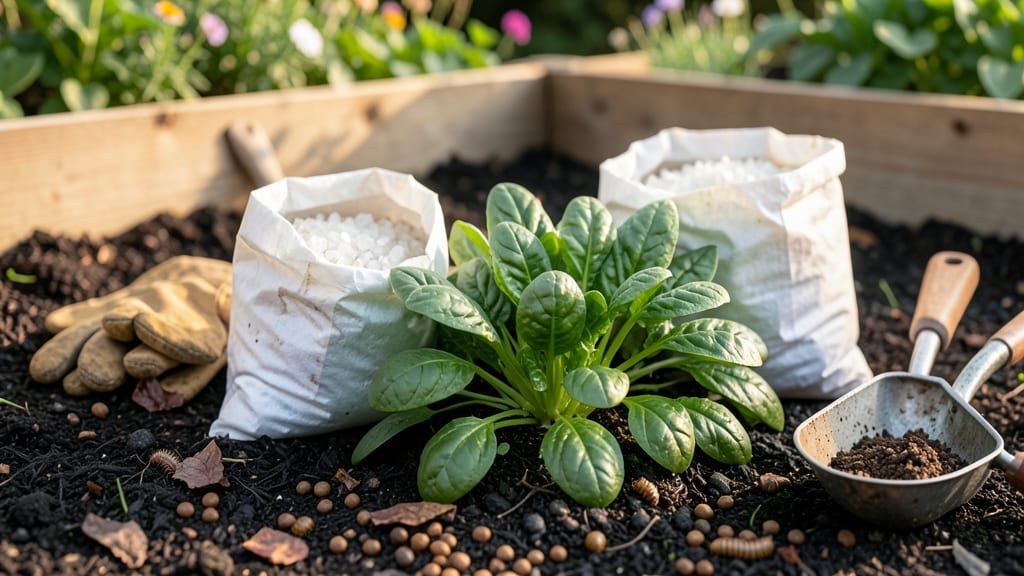
Nitrogen for garden is essential for leafy growth and vibrant green foliage, but too much can burn plants and disrupt soil balance. Use organic options like compost or blood meal during the growing season, always checking soil tests first.
Nitrogen acts like a growth turbocharger for your plants, powering everything from leaf expansion to chlorophyll production. 🌱 Without enough, you'll notice older leaves turning yellow first—a classic sign your garden needs a nitrogen boost.
The key is balance: too little stunts growth, while overdoing it can lead to weak stems and soil acidification over time. I've found that organic sources like composted manure or fish emulsion release nutrients gradually, giving plants a steady supply without the risk of overloading.
Timing matters just as much as the source.
For most vegetables and leafy greens, apply nitrogen-rich fertilizers in early spring when plants are actively growing, then again mid-season if you notice new leaves losing their vibrancy. 💚 Root crops like carrots or potatoes actually need less nitrogen—they thrive when you focus on phosphorus and potassium instead.
Always pair your nitrogen applications with a soil test to avoid guessing games that can waste money and harm your garden's long-term health.
💡 In This Article
- How Nitrogen Supports Plant Growth Mechanisms
- Best Organic and Synthetic Nitrogen Sources for Gardens
How nitrogen supports plant growth mechanisms
Nitrogen is the building block of chlorophyll—the green pigment that captures sunlight for photosynthesis. When plants absorb nitrogen through their roots (primarily as nitrate or ammonium ions), they use it to produce amino acids, which are the foundation for proteins.
This protein synthesis is what fuels rapid cell division, particularly in leaves and stems. You'll notice this most dramatically in leafy greens like spinach or lettuce, where nitrogen applications can double leaf production within 3-4 weeks compared to nitrogen-deficient plants.
The difference between fast-release and slow-release nitrogen sources comes down to how quickly plants can access it. Fast-release forms like urea or ammonium sulfate provide an immediate boost but can burn roots if overapplied, especially in dry conditions.
Slow-release sources like composted manure or coated urea granules break down gradually, feeding plants over 6-12 weeks without risking toxicity. The key is matching the release rate to your plants' needs—fast-growing crops like corn or grass need quick access, while perennials benefit from slow, steady feeding.
Deficiency symptoms are your first warning sign that nitrogen levels are too low. Older leaves turn yellow (chlorosis) first because plants prioritize moving nutrients to new growth. In severe cases, you'll see stunted growth, weak stems that can't support heavy foliage, and even premature leaf drop.
The good news is that nitrogen deficiencies respond quickly to treatment—just 1/4 to 1/2 pound of nitrogen per 100 square feet can restore vibrancy in 2-3 weeks for most vegetables.
What most gardeners don't realize is that nitrogen also affects plant flavor and texture. Leafy greens grown with optimal nitrogen levels develop sweeter, more tender leaves compared to nitrogen-starved plants.
For example, broccoli grown with 120-150 ppm nitrogen in the soil produces heads that are 20% heavier and have a more intense flavor profile. This is why home gardeners often see their homegrown lettuce taste dramatically different from store-bought—commercial farms often use precise nitrogen management techniques.
Soil microorganisms play a crucial role in making nitrogen available to plants. Bacteria like Rhizobium in the roots of legumes (beans, peas) actually convert atmospheric nitrogen into usable forms, while fungi in the mycorrhizal network help transport nitrogen from deeper soil layers.
This microbial activity is why well-aged compost—with its thriving microbial communities—is one of the most effective organic nitrogen sources. The microbes don't just provide nitrogen; they also improve soil structure, helping roots access water and other nutrients more efficiently.
Here's a quick visual comparison of how different nitrogen sources affect plant growth:
- Fast-release: Urea (46% nitrogen) - Immediate green-up but high burn risk if overused
- Medium-release: Fish emulsion (5-10% nitrogen) - Balanced feeding over 4-6 weeks
- Slow-release: Composted manure (1-3% nitrogen) - Steady supply with soil health benefits