
Orchid Care
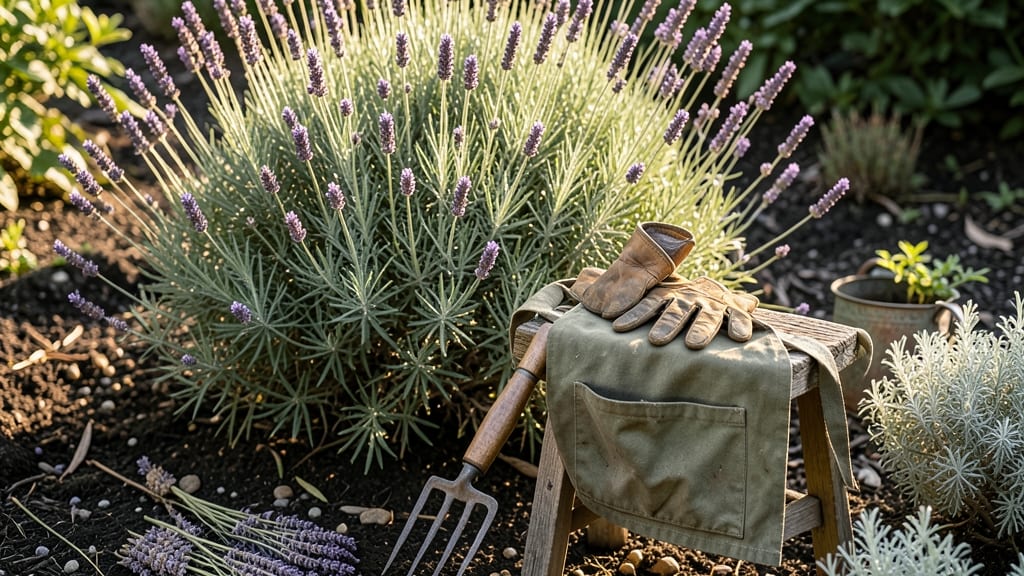
The Old Man Gardener orchid thrives best with bright, indirect sunlight, maintaining humidity levels between 50-70%, and using a chunky, well-draining bark mix for its potting medium. Regular weekly watering when the topsoil feels dry, monthly fertilization with orchid-specific nutrients, and protection from drafts or extreme temperature fluctuations ensure vibrant growth year-round.
This unique orchid variety—known for its striking, velvety blooms—originates from tropical regions where it naturally clings to tree bark, absorbing moisture and nutrients from the air. 🌿 The secret to replicating its thriving environment lies in mimicking these conditions: bright, filtered light (like a north-facing window) prevents leaf burn while encouraging blooming, while the chunky bark mix promotes airflow to prevent root rot.
I've found that misting leaves daily in dry climates or using a pebble tray with water can boost humidity without over-saturating the roots, which is crucial since these orchids are particularly sensitive to root suffocation.
What sets the Old Man Gardener apart is its adaptability to indoor spaces when given the right care balance. Unlike some orchids that demand constant attention, this variety forgives occasional watering slips but will reward consistent effort with dramatic, long-lasting blooms.
The key is monitoring—not just the soil moisture but also the plant's overall vigor, as yellowing leaves often signal overwatering while wrinkled pseudobulbs indicate thirst.
💡 In This Article
- Understanding Old Man Gardener Orchid Growth Requirements
- Step-by-Step Guide to Reviving a Struggling Old Man Gardener Orchid
Understanding Old Man Gardener orchid growth requirements
The Old Man Gardener orchid's success hinges on replicating its natural epiphytic habitat, where it grows on tree bark in tropical forests.
These plants absorb moisture and nutrients through their roots rather than relying solely on soil, which explains why a chunky bark mix (typically 50-70% bark, 10-20% perlite, and 10-20% charcoal) is ideal. The bark's coarse texture mimics tree bark, allowing excess water to drain quickly while retaining just enough moisture.
Without proper airflow from this mix, roots suffocate, leading to rot—a common issue for beginners. 🌿
Light requirements are equally critical, with this orchid thriving under bright, indirect light that mimics its forest canopy home. The optimal light spectrum includes blue light (400-500 nm) for photosynthesis and red light (600-700 nm) for flowering, which is why east or north-facing windows work best.
Too much direct sun causes leaf burn (visible as brown patches), while insufficient light leads to weak stems and sparse blooms. A simple test: if you can read a book comfortably under the light source, it's likely too dim.
Humidity plays a direct role in blooming cycles, as these orchids originate from environments with 50-70% humidity. In dry indoor settings, humidity below 40% stresses the plant, causing buds to drop before opening.
To maintain ideal levels, I recommend a combination of daily misting (especially for leaves) and a pebble tray filled with water beneath the pot. Grouping plants together also creates a microclimate that naturally boosts humidity—this works because orchids release moisture through transpiration, creating their own humid environment. 💧
Temperature stability is another often-overlooked factor, with this variety preferring a consistent range of 60-80°F during the day and a 10°F drop at night to stimulate blooming. Sudden temperature swings (like drafts from AC vents or heaters) disrupt this delicate balance, causing buds to abort.
The key is to place your orchid where temperatures remain stable, such as on a shelf away from doors or windows that open frequently. Even a 5°F fluctuation can stress the plant enough to prevent flowering.
Seasonal adjustments are also crucial, particularly during winter when indoor heating dries the air. In these months, I increase misting frequency to twice daily and monitor soil moisture more closely, as the plant's metabolic rate slows.
The bark mix dries out faster in heated environments, so checking moisture with your finger (inserting it 1 inch deep) is more reliable than relying on a schedule.
This orchid's resilience comes from its ability to store water in its pseudobulbs, but even these have limits—overtime dehydration leads to wrinkled bulbs that struggle to rebound. 🌱
Finally, the pH of your water matters more than you might think. Old Man Gardener orchids prefer slightly acidic conditions (pH 5.5-6.5), which is why tap water in many areas (often alkaline) can cause nutrient deficiencies. If your water tests above 7.0 pH, use distilled or rainwater instead.
The right pH ensures the plant can absorb essential nutrients like nitrogen, phosphorus, and potassium—all critical for vibrant blooms and strong root growth. This attention to detail transforms a potentially finicky plant into a rewarding, long-lived houseplant. ✨