
Tools
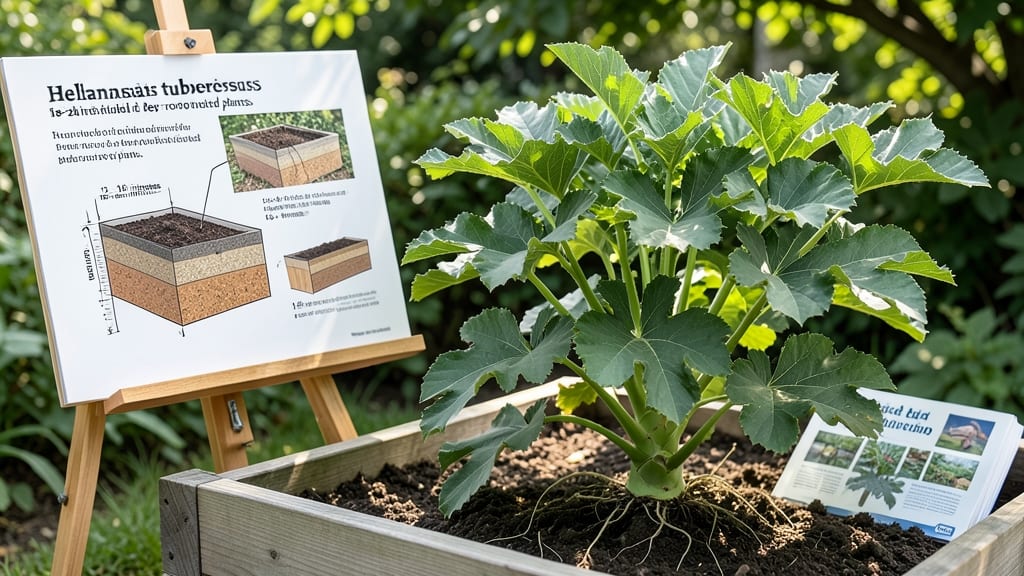
The optimal raised garden bed depth for most vegetables and herbs is 10 to 12 inches, allowing sufficient root growth while preventing soil compaction and improving drainage. Deeper beds (up to 18 inches) benefit root crops like carrots or potatoes, while shallow beds (6 inches) work for shallow-rooted plants like lettuce or radishes.
When planning your raised garden, think of depth as the foundation for healthy roots.
A 10- to 12-inch bed gives most plants enough space to develop strong root systems while keeping soil loose and well-drained. 🌱 For plants like carrots or potatoes that need deeper soil, extending to 18 inches prevents root crowding, while shallow beds (6 inches) work perfectly for quick growers like lettuce or radishes.
The right depth also reduces soil compaction, which can stunt growth over time.
Beyond measurements, consider your soil type—sandy soils may need extra depth to retain moisture, while clay-heavy soils benefit from deeper beds to prevent waterlogging. Layering organic materials like compost and wood chips helps maintain ideal conditions regardless of bed height.
Whether you're growing herbs in a small container or planning a full vegetable patch, matching depth to plant needs ensures better yields and less maintenance.
💡 In This Article
- How Root Systems Influence Raised Bed Depth Requirements
- Designing Raised Beds for Different Plant Types and Soil Conditions
How root systems influence raised bed depth requirements
Root systems dictate how deep your garden bed needs to be, as they determine a plant's access to water, nutrients, and stability.
Most vegetables and herbs develop root zones that spread 12-18 inches deep, but the upper 6-10 inches contain 70% of their active roots—this is why a 10- to 12-inch bed supports optimal growth.
For example, tomatoes send roots 24-36 inches deep but thrive in 12-inch beds because their lateral roots spread horizontally, absorbing nutrients from the upper soil layers. 🌱 The key is matching bed depth to the plant's primary root zone, where most nutrient uptake occurs.
Soil aeration and compaction play critical roles here. In a 12-inch bed, the top 6 inches remain loose and well-aerated, while deeper layers provide structural support. Compare this to in-ground planting, where compaction from foot traffic or machinery can restrict root growth—raised beds eliminate this issue.
The 10-inch depth also prevents waterlogging in heavy soils, as excess moisture drains more efficiently through the bed's sides. For root crops like carrots or beets, extending to 18 inches prevents root distortion caused by hitting hardpan or bed boundaries.
Nutrient distribution is another factor. A 12-inch bed allows for three distinct soil layers: a top 2-inch layer of compost-rich planting mix, a 6-inch middle layer of balanced topsoil, and a 4-inch bottom layer of coarse material (like wood chips) for drainage.
This stratification mimics natural soil profiles and ensures roots encounter varying textures and nutrients at different depths. For instance, strawberries—shallow-rooted plants—thrive in 6-inch beds, while asparagus, with its 12-18 inch taproot, benefits from deeper beds to establish strong crowns.
Root growth rates also influence depth needs. Fast-growing plants like radishes or lettuce develop roots in 3-4 weeks, so a 6-inch bed suffices. In contrast, slow-growing perennials like asparagus take 2-3 years to establish roots, requiring 12-18 inches of loose soil to penetrate deeply.
The rule of thumb is to match bed depth to the plant's mature root length—this prevents root binding, where roots circle the bed's edges in search of space, stunting growth.
For example, potatoes need 12-18 inches to support their tubers, while basil—with roots only 6-8 inches deep—does fine in shallower beds.
Consider the soil volume too. A 12-inch bed provides 1.5 cubic feet of soil per square foot, which is ample for most annuals. However, for heavy feeders like corn or squash, extending to 18 inches ensures they don’t outgrow their space.
The extra depth also accommodates mulch layers (like straw or wood chips), which break down over time, replenishing nutrients without needing frequent amendments. This is why deep-rooted plants often yield better in raised beds—they’re not constrained by shallow topsoil layers.
Finally, microclimate matters. In hot climates, deeper beds retain moisture longer, while in cooler regions, they warm up faster in spring. For example, a 12-inch bed in a desert garden might need extra compost to retain moisture, whereas in a rainy climate, the same depth ensures proper drainage.
The depth you choose isn’t just about roots—it’s about creating an environment where plants can thrive year-round. 🌿