
Landscaping
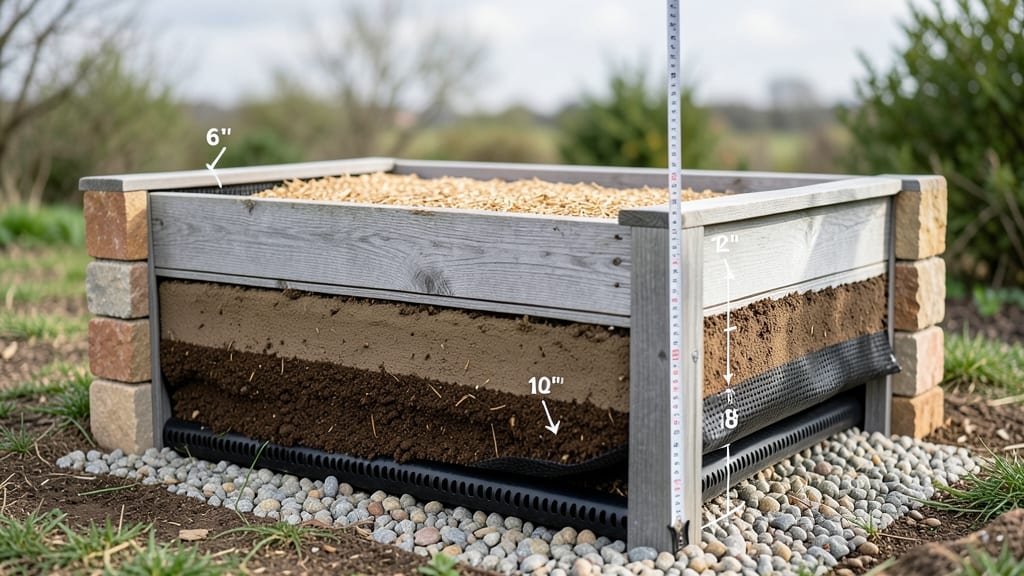
The raised garden bed height you choose directly impacts your plants' health, drainage, and even how easy it is to tend to them—so picking the wrong one can turn your garden dreams into a frustrating mess.
Picture this: you’ve spent hours building the perfect bed, only to realize your tomatoes are struggling because the roots can’t spread deep enough, or your back is killing you because the bed is too high to reach comfortably.
The right height makes all the difference, whether you’re growing deep-rooted veggies or just want a bed that’s easy on the knees.
Standard heights range from 6 to 24 inches, but the ideal choice depends on what you’re planting, your soil type, and even your mobility. A deeper bed might be perfect for potatoes or carrots, while a shorter one could work better for herbs or flowers—and yes, accessibility matters too.
In this guide, I’ll break down the science behind raised garden bed height, how it affects drainage and root growth, and how to customize your bed for your specific needs—so you can grow with confidence, not guesswork.

Standard raised garden bed height guidelines for optimal plant growth
Choosing the right raised garden bed height isn’t just about aesthetics—it directly impacts your plants' health, your comfort, and even your soil quality. Too shallow, and deep-rooted vegetables like carrots or potatoes will struggle.
Too tall, and you might create unnecessary work or drainage challenges. Let’s break down the science behind 12-inch, 18-inch, and 24-inch beds so you can pick the perfect height for your garden.
Most gardeners default to 12-inch beds because they’re easy to build and maintain. This height works well for shallow-rooted plants like lettuce, herbs, and strawberries, but it falls short for vegetables needing 12+ inches of soil depth.
If you’re growing tomatoes, peppers, or asparagus, you’ll want to go deeper to avoid root binding and stunted growth. The key is matching your bed height to your plant types and garden goals.
Here’s a quick reference to help you decide. The table below compares the pros and cons of each height tier, including soil depth, accessibility, and plant compatibility.
An 18-inch bed is my personal favorite because it strikes the perfect balance. It’s tall enough to accommodate most vegetables while keeping the soil loose and well-aerated. The extra height also makes weeding and harvesting easier on your back, especially if you have mobility challenges.
Plus, it reduces soil compaction over time, which is a common issue in shallow beds.
For gardeners with wheelchair accessibility or limited mobility, 24-inch beds are a game-changer. The added height brings planting zones to waist level, eliminating the need to bend or kneel. This height also supports deep-rooted perennials like asparagus or rhubarb, which need plenty of space to establish strong root systems.
Just be mindful of the weight—you’ll need sturdy materials like cedar or galvanized steel to support the soil and moisture.
If you’re growing shallow-rooted plants like herbs, salad greens, or radishes, a 12-inch bed might suffice. These plants thrive in 6-8 inches of soil, and the lower height is easier to fill with quality topsoil.
However, I recommend adding a layer of compost or aged manure to boost nutrient levels, since shallow beds dry out faster and require more frequent watering.
One often-overlooked factor is how height impacts soil temperature. Deeper beds retain heat better in spring, giving cool-season crops like peas or spinach a head start. Conversely, they can stay cooler in summer, which is ideal for heat-sensitive plants like leafy greens.
If you’re in a hot climate, consider adding a mulch layer to insulate the soil and conserve moisture.
Pro tip: If you’re unsure about committing to one height, start with a 12-inch bed and add removable sides later. This lets you test different soil depths without rebuilding your entire garden. You can also use interlocking bricks or wooden planks to create adjustable heights as your plants mature.
Remember, the best raised garden bed height depends on your plant types, climate, and personal needs. Whether you prioritize accessibility, drainage, or root growth, there’s a perfect height waiting for your garden. Happy planting!
How raised garden bed height affects drainage and soil quality
Choosing the right raised garden bed height isn't just about aesthetics—it directly impacts how well your plants thrive. Deeper beds improve drainage by preventing waterlogging, while shallower designs may struggle in heavy rain.
The soil aeration also changes with height, affecting root growth and nutrient absorption for deep-rooted vegetables like carrots or potatoes.
Taller beds (18–24 inches) reduce soil compaction because gardeners spend less time kneeling, preserving the soil structure. Meanwhile, shallow beds (6–12 inches) work better for lightweight plants like herbs or leafy greens but risk erosion if overwatered. Let’s break down how these factors interact.
For drainage issues, taller beds (18–24 inches) are ideal because they allow excess water to escape through the bottom slats or soil layers. If you notice yellowing leaves or mushy roots, your bed may be too shallow.
To fix this, add a gravel layer at the bottom or extend the height with untreated wood.
Soil aeration improves with height because deeper beds reduce foot traffic compaction. Test your soil by pressing a finger into it—if it feels hard, your bed may need more organic matter like compost or peat moss. For clay-heavy soils, deeper beds help break up the density naturally.
If you’re growing deep-rooted vegetables, prioritize 18–24 inch beds to avoid stunted growth. For example, asparagus needs at least 12 inches of soil depth to establish properly. Shallower beds force roots to compete for space, leading to smaller yields or weak stems.
Pro tip: Use landscape fabric at the bottom of deeper beds to prevent weeds from stealing nutrients while still allowing water drainage. This small step can drastically improve soil quality over time.