
Advice
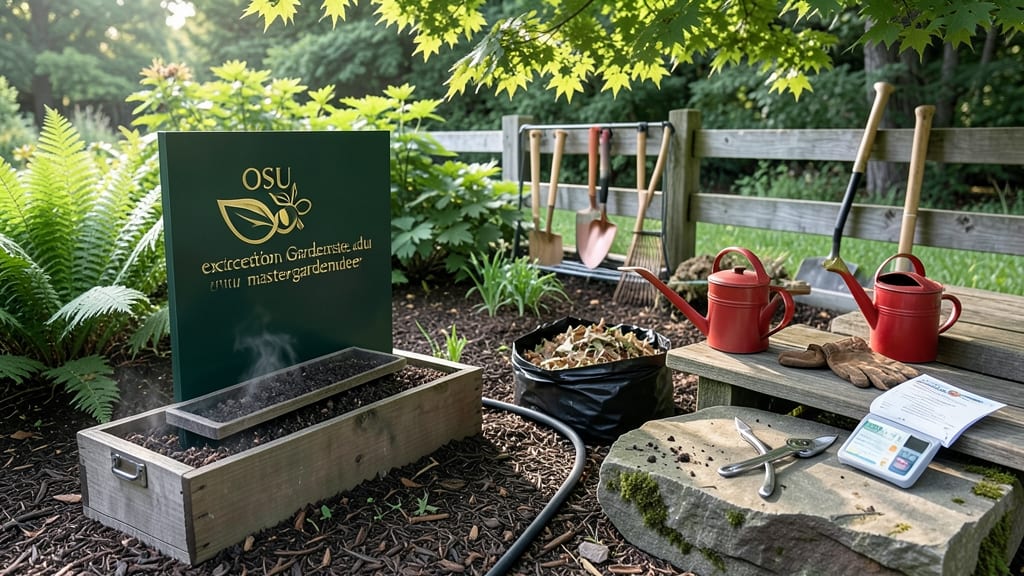
The Oregon State University Master Gardener program trains volunteers in sustainable gardening practices, plant science, and community outreach, requiring a $150 fee, 40 hours of coursework, and 50 hours of volunteer service annually. Applications open in spring through OSU Extension offices.
The Oregon State University Master Gardener program stands out for its blend of hands-on learning and real-world impact. 🌱 You'll dive into everything from soil health to pest management, all while connecting with fellow gardening enthusiasts.
What makes this program unique is its focus on evidence-based practices—every lesson ties back to OSU's research, ensuring you're getting the most up-to-date techniques. Plus, your volunteer hours directly support local communities, whether through school gardens or public workshops.
One thing I love about this program is how it balances theory with practice. You won't just memorize facts—you'll apply them in real gardens, troubleshoot problems with experts, and even mentor new gardeners.
The $150 fee covers your training materials, but the real value comes from the connections you'll make and the skills you'll take home. Whether you're a backyard gardener or just curious about sustainable landscaping, this program gives you the tools to grow confidently.
💡 In This Article
- What Training and Education Does the OSU Master Gardener Program Offer?
- Step-by-Step Guide to Applying for the OSU Master Gardener Program
What training and education does the OSU Master Gardener program offer?
The OSU Master Gardener curriculum is designed to transform passionate gardeners into knowledgeable educators. You'll start with foundational courses in botany and plant physiology, covering everything from cellular structures to how plants absorb nutrients.
The program emphasizes Oregon-specific plants, so you'll learn about native species like Pacific dogwood and Oregon grape, along with how to identify and cultivate them in our unique climate. 🌿
Soil science is another cornerstone, where you'll analyze pH levels, organic matter content, and soil textures using lab techniques. Hands-on workshops let you test real soil samples from local gardens, teaching you how to amend clay-heavy soils common in Western Oregon.
Pest management modules dive into integrated approaches—biological controls like ladybugs for aphids and organic sprays—rather than relying solely on chemicals. The program even covers sustainable landscaping principles, showing how to design water-efficient gardens that support pollinators.
What sets this program apart is its blend of classroom learning and practical application. After mastering theory, you'll participate in diagnostic clinics where OSU experts help community members troubleshoot plant problems. You'll also learn to create educational materials, from workshop presentations to fact sheets, using OSU's research-backed resources.
The training includes online modules for flexibility, but the real magic happens during in-person sessions where you'll meet fellow gardeners and OSU faculty who share decades of experience.
Advanced topics cover niche areas like urban forestry and community garden management, giving you specialized skills to contribute meaningfully. For example, you might learn how to assess tree health in city parks or design raised beds for food deserts.
The program also teaches you to interpret OSU Extension publications, ensuring you can always access the latest gardening science. 📚
One standout feature is the program's connection to OSU's research facilities. You'll visit labs where scientists study plant diseases or test new varieties of drought-resistant crops. This direct link to cutting-edge research means you're learning techniques that aren't available in most gardening programs.
The training also prepares you to mentor others, so you'll practice teaching skills in a supportive environment before your volunteer commitments begin.
The curriculum evolves annually to reflect new challenges, like climate change impacts on gardening. For instance, recent additions cover microclimate gardening—how to create optimal growing conditions in small urban spaces—and native plant restoration techniques.
This ensures you're not just learning gardening basics, but how to adapt them to our changing environment. The program's focus on sustainability means you'll leave with practical skills for reducing waste, conserving water, and supporting local ecosystems.