
Vegetables
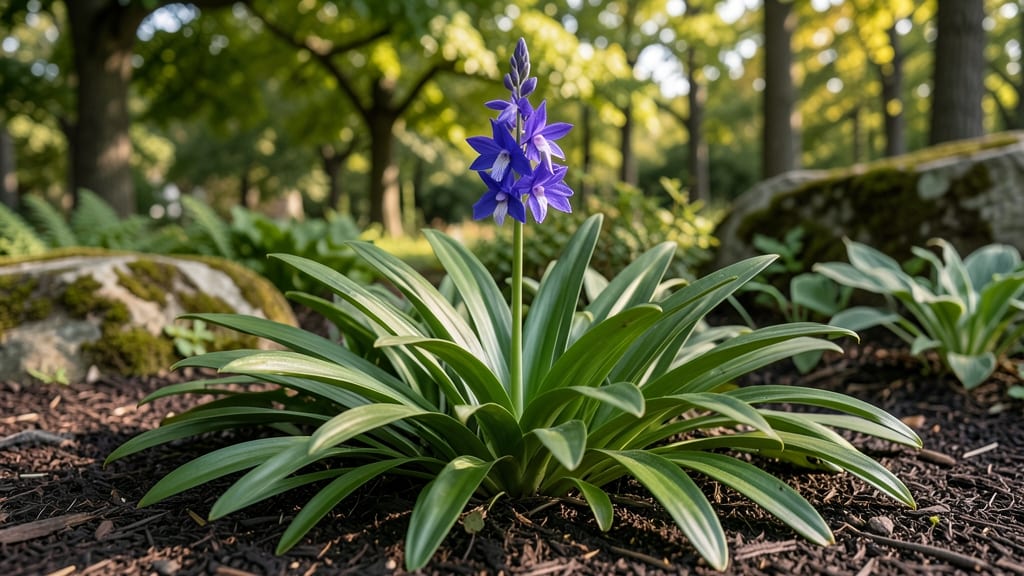
Pacific Star Gardens thrive by growing cold-hardy vegetables like kale, lettuce, and broccoli during cooler seasons, while tomatoes and peppers shine in summer heat. With proper soil preparation, consistent moisture, and smart crop rotation, these gardens deliver abundant harvests year-round in the Pacific Northwest's unique climate.
The Pacific Northwest's mild, maritime climate creates perfect conditions for year-round vegetable gardening, but success depends on understanding seasonal shifts. 🌱 Coastal areas enjoy longer growing seasons than inland spots, while summer fog can challenge heat-loving plants.
I've found that starting cold-resistant crops like spinach in early spring and transitioning to beans and squash by July creates natural succession without gaps.
The key is matching each vegetable's ideal temperature range with your microclimate's specific patterns—some coastal zones never get below freezing, while inland areas may experience light frosts.
What truly sets Pacific Star Gardens apart is their focus on soil health and crop diversity. Unlike many gardens that rely on annual planting, these spaces use perennial vegetables like asparagus and rhubarb as foundation crops, while annuals get rotated annually to prevent disease buildup.
I recommend maintaining a 3-inch compost layer year-round and testing soil pH every spring—most Pacific Northwest soils benefit from lime amendments to reach the ideal 6.0-7.0 range for vegetable growth.
💡 In This Article
- Climate-Specific Vegetable Selection for Pacific Star Gardens
- Step-by-Step Soil and Crop Rotation Guide for Pacific Star Gardens
Climate-specific vegetable selection for pacific star gardens
The Pacific Northwest's climate is a gardener's paradox: mild winters with rare freezes and summers that rarely exceed 85°F, creating a unique growing window. Coastal regions like the Willamette Valley enjoy 180-240 frost-free days, while inland areas might see 120-160 days.
This extended season allows for double-cropping strategies where you might harvest spinach in early spring, replant with radishes by May, then transition to beans by July—all before cool weather returns in September. 🌿 The key is understanding each vegetable's temperature thresholds: cold-hardy crops like Brussels sprouts thrive when daytime temps stay between 60-70°F and nights dip to 40°F, while tomatoes need consistent 75-85°F days.
Coastal humidity presents its own challenges. Plants like lettuce and cilantro bolt quickly when exposed to prolonged 75°F+ temperatures, but their growth slows dramatically in the 55-65°F range typical of Pacific Northwest summers.
This is why succession planting works so well—you can stagger plantings every 2-3 weeks to maintain continuous harvests. For example, I've found that planting lettuce in early spring and late summer avoids the mid-summer bolting period entirely.
The region's consistent rainfall (typically 36-48 inches annually) means most vegetables need 1-1.5 inches of water weekly, but container gardens require more frequent watering due to rapid evaporation.
Sun exposure varies dramatically across the region. Coastal areas receive only 4-6 hours of direct sunlight daily during summer due to marine layer clouds, while inland spots can get 8-10 hours.
This affects which vegetables to prioritize: leafy greens like Swiss chard and arugula thrive in partial shade, while tomatoes and peppers need full sun. I recommend using reflective mulches or planting heat-tolerant varieties like 'Solar Fire' peppers in coastal zones to maximize sunlight absorption.
The trade-off is that coastal gardens often produce larger, more tender leafy greens compared to inland gardens, where vegetables develop more robust structures due to stronger sunlight.
Seasonal transitions are where Pacific Star Gardens truly excel. The region's 3-4 month spring transition period (March-May) is ideal for planting cool-season crops that can handle light frosts (28-32°F), while the 2-month fall transition (September-November) allows for late-season plantings that mature before winter sets in.
For instance, broccoli planted in late August often produces heads by October-November before the first hard frost. The secret is using frost cloth for 2-3 weeks after planting to protect young seedlings while they establish roots in cooler soil.
Rainfall patterns also dictate planting strategies. The Pacific Northwest's winter wet season (October-April) means most gardeners avoid planting until soil temperatures reach 50°F consistently. During this period, I focus on cold-hardy crops that can tolerate saturated soils, like kale and carrots.
Summer droughts (June-August) require careful irrigation planning—drip systems work best to deliver water directly to roots without wetting foliage, which can promote fungal diseases in the humid climate.
The region's high humidity (70-85%) means proper air circulation is crucial, which is why I recommend trellising vining crops like cucumbers to improve airflow around plants.
One often-overlooked factor is the Pacific Northwest's coastal fog, which can reduce sunlight by 50-70% during summer mornings. This natural phenomenon actually benefits some crops: lettuce and spinach grow more slowly but develop sweeter flavors, while tomatoes may develop blossom end rot due to calcium uptake issues.
To mitigate this, I recommend using calcium-rich amendments like crushed eggshells and monitoring soil moisture closely—foggy conditions can create a false sense of adequate watering when plants are actually thirsty.
The most successful Pacific Star Gardens I've seen use a three-tiered approach: selecting varieties bred for local conditions, timing plantings to match microclimate windows, and adjusting care practices to the region's unique weather patterns.
For example, while most gardeners plant tomatoes in May, coastal gardeners often wait until June 15-July 1 when soil temperatures reach 65°F+ and marine layer clouds lift slightly. This delay prevents blossom drop and ensures stronger plant establishment. 🌱 The result?
A garden that produces consistently throughout the year without the common pitfalls of PNW gardening.