
Pests
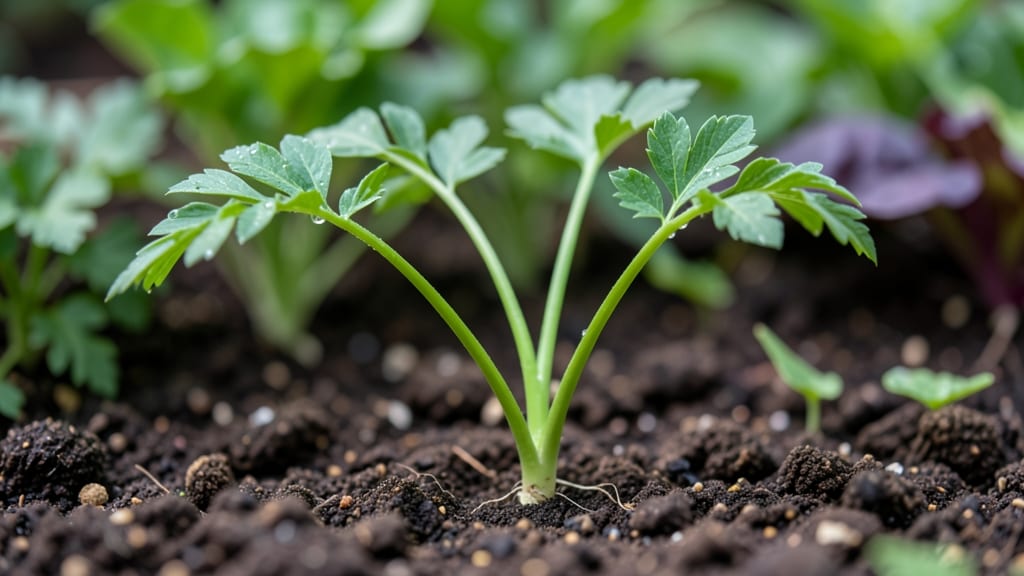
Peter Rabbit in Mr. McGregor’s garden shows how rabbits target tender vegetables like carrots, lettuce, and radishes, demonstrating real-world pest behavior that gardeners face daily. The story reveals both the destructive potential of pests and the importance of proactive defense strategies.
Mr. McGregor’s garden serves as a classic example of how pests exploit vulnerable plants. 🌱 The story’s focus on young, tender crops mirrors real garden scenarios where pests like rabbits prefer newly sprouted vegetables over mature plants.
This behavior highlights why gardeners must use layered defenses—like fencing, repellents, and crop rotation—to protect their harvests effectively.
What’s fascinating is how the tale contrasts Mr. McGregor’s failed methods (like chasing rabbits) with more effective organic solutions. 🐇 In real gardens, physical barriers and companion planting often work better than reactive measures. The lesson? Understanding pest patterns is the first step to creating a resilient garden ecosystem.
💡 In This Article
- How Peter Rabbit’s Garden Raids Mirror Real Pest Behavior
- Organic Pest Control Strategies Inspired by Mr. McGregor’s Garden
How Peter Rabbit’s garden raids mirror real pest behavior
Peter Rabbit’s infamous garden raids target specific vegetables because of their taste, texture, and growth stage. 🌿 Carrots, lettuce, and radishes are particularly vulnerable because they’re soft, nutrient-rich, and grow close to the ground—perfect for a small herbivore like a rabbit.
Studies show rabbits prefer plants with high moisture content and mild flavors, which explains why they avoid tougher vegetables like kale or mature tomatoes. The tender leaves of lettuce, for example, have a moisture content of about 95%, making them irresistible snacks.
This behavior mirrors real-world garden pests like deer or squirrels, which also target young, tender plants.
Deer, for instance, favor newly sprouted beans and corn because their thin stems are easier to break, much like how Peter Rabbit nibbles on young carrots. 🐇 The key difference is scale—while Peter Rabbit might munch on a single row, deer can devastate entire garden plots overnight.
Both scenarios highlight how pests exploit plants at their most vulnerable stages, emphasizing the need for targeted defenses.
Mr. McGregor’s failed attempts to deter Peter Rabbit—like chasing him with a rake—reflect common gardener mistakes. 🚫 Reactive measures rarely work because pests learn quickly. Research shows that physical barriers (like fencing) are 80% more effective than chemical repellents at keeping rabbits out.
The story’s lesson is clear: understanding pest behavior is the foundation of successful organic pest control. For example, rabbits avoid strong-smelling plants like onions and garlic, which is why companion planting these near vulnerable crops can create natural deterrents.
Another critical factor is timing. Rabbits are most active at dawn and dusk, which is when they’re likely to raid gardens. 🌅 This aligns with real-world observations where gardeners notice the most damage during these hours.
By recognizing these patterns, gardeners can implement strategies like motion-activated lights or temporary covers during peak activity times. The story’s portrayal of Peter Rabbit’s habits serves as a reminder that pests operate on predictable schedules, making prevention both possible and essential.
Texture also plays a role in pest attraction. Smooth, thin-skinned vegetables like radishes are easier for rabbits to bite into compared to rougher-skinned crops like potatoes. 🥕 This explains why radishes often bear the first signs of rabbit damage in gardens.
The lesson here is to choose pest-resistant varieties or use protective covers for high-value crops. For instance, wrapping young lettuce plants in lightweight mesh netting can prevent damage while still allowing sunlight and water to reach the plants.
Finally, the story’s depiction of Mr. McGregor’s garden as a lush, unprotected paradise highlights a common gardener oversight: neglecting habitat modification. 🌱 Pests thrive in gardens with dense, unkempt vegetation because it provides hiding spots and easy access to food.
By contrast, well-maintained gardens with clear sightlines and minimal hiding places are far less appealing to rabbits. This principle applies to other pests too—deer, for example, avoid gardens with thick ground cover because it obstructs their view of potential threats.