
Planting
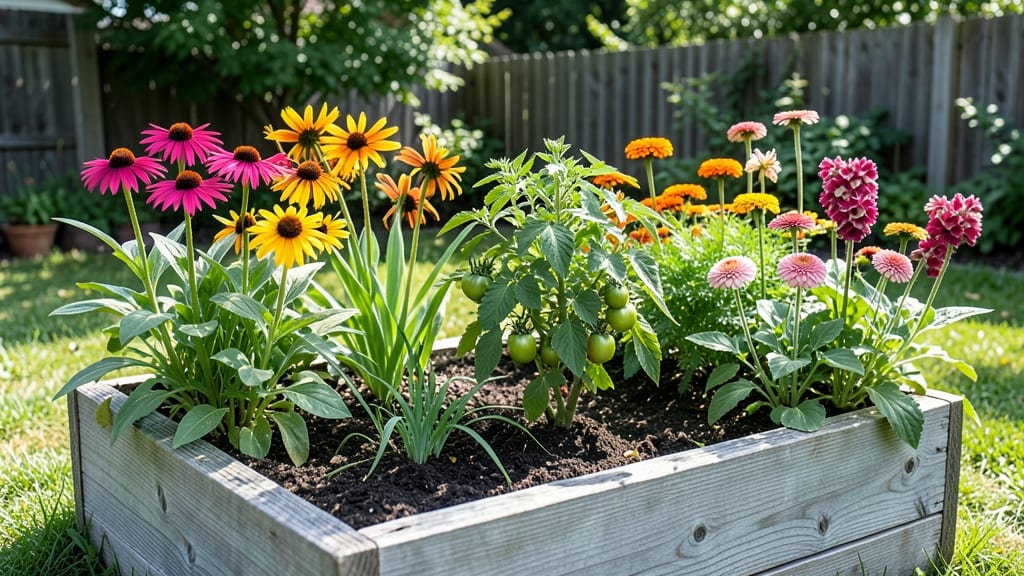
Understanding Philadelphia’s gardening zone helps you select the right plants, as the city falls within USDA Hardiness Zones 6b to 7a, with significant microclimate variations affecting frost timing and plant survival.
Philadelphia’s gardening zone classification covers a broad range because urban environments create distinct temperature pockets.
Areas near the Delaware River often experience milder winters, while elevated spots in West Philadelphia can see harsher conditions. 🌿 These microclimates shift last-frost dates by weeks—some spots may hit 50°F as early as March, while others linger near freezing until April.
For gardeners, this means choosing cold-hardy varieties for exposed areas and extending seasons with row covers or cold frames in cooler pockets.
To navigate these variations, I recommend checking the USDA Plant Hardiness Zone Map for your exact address and observing your garden’s frost patterns for 3 years to spot trends.
Urban heat islands near buildings can push zones up by half a level, while shaded or windy spots may need plants rated for one zone colder. Start seeds indoors 6-8 weeks before your area’s average last frost date, and monitor local weather forecasts for sudden cold snaps.
💡 In This Article
- How Philadelphia’s Microclimates Affect Plant Hardiness
- Practical Planting Adjustments for Philadelphia Gardens
How philadelphia’s microclimates affect plant hardiness
Philadelphia’s USDA Hardiness Zones 6b to 7a reflect an average annual minimum temperature range of -5°F to 5°F in Zone 6b and 0°F to 10°F in Zone 7a. However, the city’s geography creates dramatic temperature variations—urban heat islands can push temperatures 5-10°F warmer than rural areas, while river-adjacent zones near the Delaware stay 3-5°F milder in winter due to water’s heat retention.
This phenomenon is called the "river effect," where large bodies of water moderate temperature swings by 10-15% compared to inland locations.
The Delaware River’s influence extends 1-2 miles inland, creating a 5-7 day longer frost-free season in areas like South Philadelphia versus elevated neighborhoods in West Philadelphia.
Wind patterns also play a role—prevailing westerlies funnel cold air through valleys, making low-lying areas like the Schuylkill River corridor 1-2°F colder than surrounding districts.
These microclimates shift last-frost dates by 2-3 weeks, with river-adjacent zones often reaching 50°F by early March while inland spots may not clear freezing until mid-April.
For gardeners, these variations mean selecting plants with 1-zone flexibility. A Zone 7a plant might thrive in a river-adjacent garden but struggle in a windy, elevated spot. The 10-year average of your location’s frost dates—available through NOAA climate data—reveals more precise planting windows than the USDA map alone.
For example, peonies (Zone 3-8) may bloom 2 weeks earlier near the river than in a suburban backyard 1 mile inland.
Urban heat islands create another critical factor: pavement and buildings absorb heat during the day and radiate it at night, delaying fall frosts by 1-2 weeks. This "urban canopy effect" can push Zone 6b areas near Center City to behave like Zone 7a for late-season crops.
Conversely, windy areas experience wind-chill factors that make -5°F feel like -15°F, stressing tender plants even within the official zone range. 🌆
To account for these variations, I recommend testing your garden’s microclimate by observing when hyacinths bloom (a reliable Zone 4-9 indicator) or tracking when frost forms on grass at dawn. These natural markers often reveal 1-2°F differences from official zone averages.
For example, while the USDA map might list your area as Zone 6b, your garden’s frost patterns could align more closely with Zone 7a—especially if you’re near water or dense buildings.
Advanced gardeners use degree-day accumulations (a measure of heat energy) to fine-tune planting. Philadelphia’s 3,800-4,200 growing degree days (base 50°F) vary by neighborhood, with river-adjacent zones accumulating 200-400 extra degree-days annually.
This extra heat allows for 1-2 extra weeks of growing season in warm microclimates, while cooler pockets may need row covers or cold frames to extend the season similarly.