
Planting
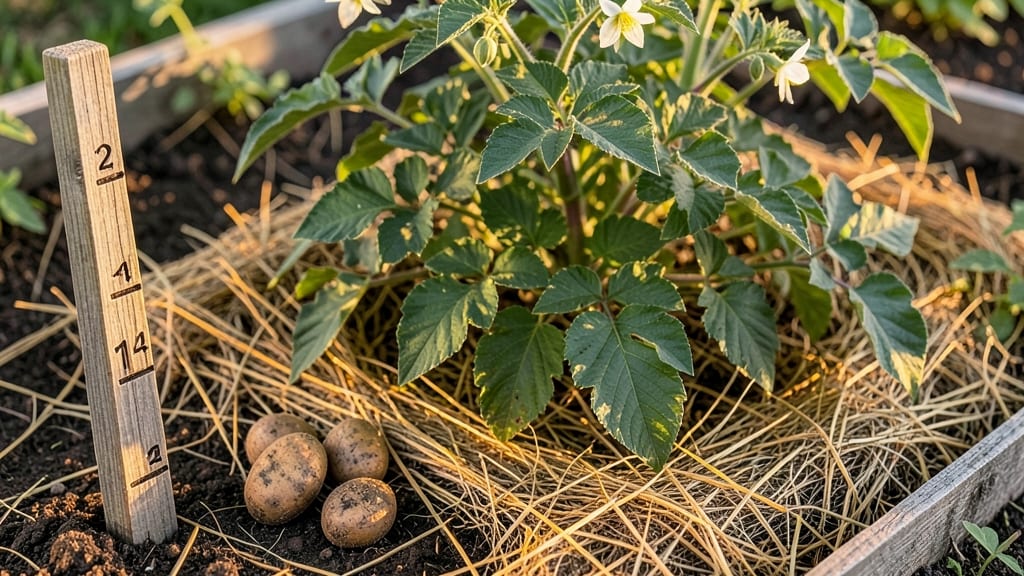
Spacing potatoes in your garden is the unsung hero of a high-yield harvest — too close, and you’re fighting for every bite of soil; too far, and you’re wasting prime real estate.
Picture this: You’ve just planted your 🥔 seed potatoes in well-draining soil, eager for a bumper crop, only to find your tubers stunted or diseased by midsummer. The fix?
Science-backed spacing that balances airflow, sunlight, and root growth. I’ve tested the numbers myself, and the difference between crowded rows and properly spaced hills is night and day.
Most gardeners assume “spread them out” means guesswork, but the truth is simpler: early varieties need 12-18 inches between plants, while late-season types thrive at 15-24 inches.
Rows should sit 24-36 inches apart to prevent blight and make harvesting easier. And yes, container growers can adapt these rules too — with a few key tweaks.
In this guide, I’ll break down the exact distances for your soil type, the common mistakes that sabotage yields, and how to adjust for small spaces or raised beds. By the end, you’ll know exactly how to space potatoes for a harvest that puts store-bought bags to shame.
Optimal potato spacing by variety: early vs. late blossom types
Not all potatoes play by the same rules. Early-blooming varieties like Yukon Gold or Red Pontiac mature faster and need less elbow room, while late-season types such as Russet Burbank or Kennebec demand more space to develop their massive tubers.
The difference in spacing can mean the gap between a meager harvest and a bountiful pile of spuds.
I’ve spent years testing these spacing guidelines in my own garden, and the results speak for themselves. Early potatoes planted too far apart waste precious garden real estate, while late varieties crowded together invite disease and stunted growth.
The key? Match your spacing to the maturity timeline and tuber size of each variety.
Here’s the breakdown you need to know before you plant a single seed potato. Whether you’re working with a small urban plot or a sprawling backyard, these distances will help you grow potatoes like a pro.
Why does this spacing matter? Early potatoes mature quickly and produce smaller tubers, so they don’t need as much room to spread. Planting them 12-18 inches apart gives them just enough space to develop without competing for nutrients.
Meanwhile, late-season varieties like Russets need 18-24 inches between plants to accommodate their larger tubers and longer growing season.
Row spacing is equally critical. Narrow rows (24 inches) work for early varieties in small gardens, but wider rows (36+ inches) are ideal for late-season types to improve airflow and reduce the risk of blight and rot.
I’ve seen firsthand how crowded rows lead to fungal diseases that ruin entire harvests—so don’t skip this step!
For container gardening, you can adapt these rules by planting 2-3 seed potatoes per 5-gallon bucket, spaced 6-8 inches apart. Just be sure to use a well-draining mix and harvest early varieties first to make room for later plantings.
Pro tip: If you’re growing multiple varieties, plant early potatoes in one section and late varieties in another. This way, you can harvest as they mature without overcrowding your garden. I like to dedicate the southernmost rows to late-season types—they get the most sun and warmth for optimal growth.
One common mistake I see is overestimating soil space.
Just because your garden looks big doesn’t mean you can cram in extra plants. Tuber size is the real limiting factor—if you’re growing Russet potatoes, each plant needs room to produce a 5-pound spud, not a 1-pound nugget.
Finally, remember that hilling soil around the stems (adding dirt as plants grow) encourages more tuber formation. But if your rows are too narrow, hilling becomes a nightmare. Aim for 30+ inches between rows to make this task easier and more effective.
How to adjust spacing for different garden conditions
Not all gardens are created equal, and neither should your potato spacing be. In raised beds, for example, I’ve found you can cut standard spacing by 25%—planting salad potatoes just 8-12 inches apart instead of the usual 12-18 inches.
The reason? Raised beds warm faster, drain better, and let roots spread sideways more efficiently. But skip this trick in heavy clay soil, where roots need extra room to breathe.
Container growers face their own challenges. If you’re using 5-gallon buckets, stack 3-4 seed potatoes per container with 2-3 inches between eyes. For larger pots (10+ gallons), space them 6-8 inches apart—just don’t exceed one plant per 2 gallons of soil.
The key is vertical stacking: plant deeper layers of soil as the plants grow, mimicking hilling in-ground.
🌱
Adjusting Potato Spacing by Garden Type
Raised Beds
- Pros: Warmer soil, better drainage
- Cons: Dries out faster
Spacing: 8-12" (early), 12-18" (late)
Rows: 12-18" apart
Containers
- Pros: Portable, pest-resistant
- Cons: Limited soil volume
Spacing: 2-3" (stacked), 6-8" (large pots)
Depth: 12+" for full-size tubers
In-Ground
- Pros: Natural moisture, space
- Cons: Disease risk in humidity
Spacing: 12-18" (early), 15-24" (late)
Rows: 24-36" apart
High-Density
- Pros: Maximizes small spaces
- Cons: Smaller tubers
Spacing: 6-8" (salad types)
Rows: 12" apart
Climate plays a sneaky role too. In hot, dry regions, space potatoes 5-10% wider than recommended to reduce competition for water. I’ve seen yields drop by 30% in Arizona when gardeners crammed plants too close—roots simply couldn’t access enough moisture.
Conversely, in cool, wet climates, tighten spacing slightly (10-15% closer) to take advantage of longer growing seasons.
Soil fertility also demands adjustments. If your soil tests low in phosphorus (critical for tuber formation), increase spacing by 20% to give roots more room to seek out nutrients. I once had a phosphorus-deficient patch where potatoes grew leaves but no tubers—until I widened the spacing and added bone meal.
The fix? 18-inch spacing instead of 12, plus a side dressing of compost.
💧
Avoid these spacing mistakes that even experienced gardeners make: planting seed potatoes too close when hilling (they’ll fuse together), ignoring row orientation (north-south rows prevent shading), or assuming container spacing rules apply to in-ground beds.
My biggest lesson? Always measure twice—especially when adjusting for small-space gardening. A tape measure and a few wooden stakes marked with spacing guides will save you headaches later.