
Pests
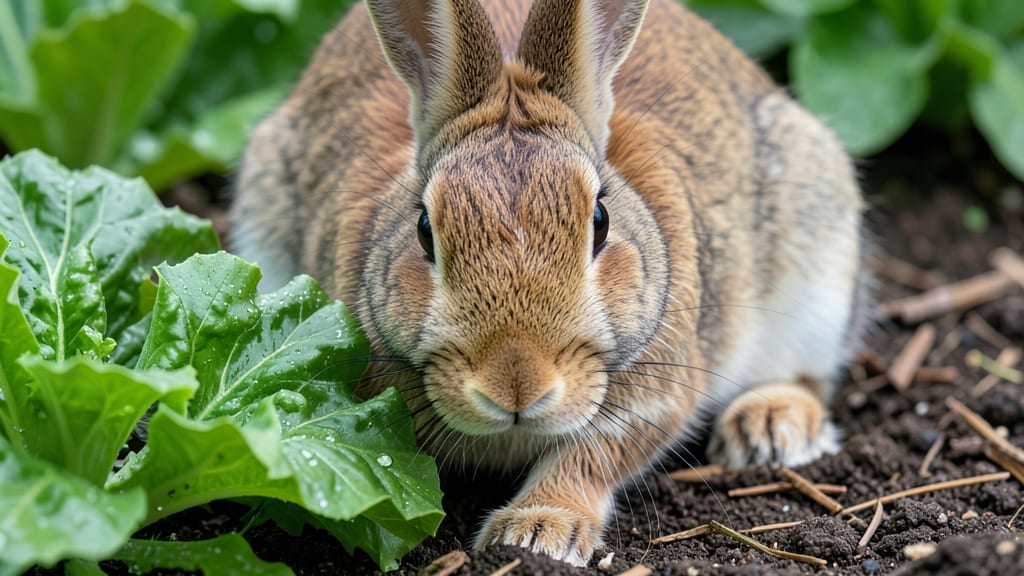
Rabbits can devastate vegetable gardens by gnawing through tender leaves, stems, and young plants like lettuce, carrots, and beans while their relentless digging exposes roots and disrupts soil structure. The key to protection lies in layered natural deterrents that create an unwelcoming environment without harming the ecosystem.
Rabbits target gardens most aggressively during dawn and dusk when they're most active, which explains why you might notice damage overnight. 🌱 Unlike deer or squirrels, they prefer low-growing plants and won't hesitate to munch on your prized seedlings—sometimes in just a few hours.
The real challenge is their adaptability; if one deterrent fails, they'll quickly move to another part of your garden. That's why combining physical barriers with scent-based repellents gives you the best chance of keeping them away while maintaining a healthy garden ecosystem.
What makes this problem particularly frustrating is that rabbits don't just eat—they also trample plants and leave behind droppings that can spread disease. The good news is that most of these issues are preventable with the right strategies.
I've found that the most effective solutions often involve creating an environment that rabbits find unpleasant rather than trying to fight them directly. For example, planting strong-smelling herbs around your garden perimeter can work wonders when combined with proper fencing techniques.
💡 In This Article
- How Rabbits Destroy Vegetable Garden Plants
- Top 5 Natural Ways to Keep Rabbits Out of Gardens
How rabbits destroy vegetable garden plants
Rabbits employ a two-pronged attack on vegetable gardens: they systematically strip plants of their foliage while simultaneously uprooting them through relentless digging.
Their teeth are perfectly adapted for this destruction—incisors that grow continuously allow them to gnaw through stems as thick as ¼-inch diameter with ease. 🌿 Young plants, particularly leafy greens like lettuce and spinach, are their first targets because they're most vulnerable, with tender stems that offer little resistance.
A single rabbit can consume up to 1 pound of vegetation daily, which means your seedlings could be completely defoliated in just 24-48 hours during peak growing seasons.
The digging behavior is equally damaging. Rabbits use their powerful hind legs to create shallow tunnels (2-3 inches deep) that expose plant roots to air and predators.
This "garden aeration" might sound beneficial, but it actually severs critical root systems, causing plants to wilt and die. 🐇 Their preference for root crops like carrots and beets isn't just about eating—they'll dig around the base to access the roots, often leaving behind a network of small holes that make the soil look like it's been raked by a tiny bulldozer.
The most frustrating part? They rarely eat the roots they uncover, leaving you with a garden full of half-dead plants and frustrated gardeners.
Seasonal patterns amplify the damage. Spring and early summer are peak times because rabbits are breeding, and the young (called leverets) are particularly destructive as they learn to forage. 🌱 During these periods, you might notice new damage every morning that wasn't there the night before.
Rabbits also have a preference for plants that are actively growing—this is why your prized tomato seedlings often become their first course. The irony is that they'll leave mature plants alone, focusing instead on the tender new growth that represents the future of your harvest.
This selective feeding pattern makes it particularly challenging to protect your garden without resorting to broad-spectrum solutions.
What most gardeners don't realize is that rabbits also contribute to disease spread through their droppings.
Their feces contain spores from various fungi and bacteria that can infect healthy plants, creating a secondary problem beyond the physical damage. 🌱 The combination of mechanical damage (chewing and digging) with biological contamination means that even if you manage to deter the rabbits, you might still need to address the lingering effects on your soil and remaining plants.
This is why integrated pest management—combining multiple deterrent strategies—is so crucial for long-term garden health.
Here's the lifecycle of garden destruction in action: rabbits first target the most vulnerable plants (seedlings), then move to established crops as they mature, all while leaving behind a trail of damage that can take weeks to recover from. 🌱 Their activity peaks at dawn and dusk when they're most active, which explains why you might find fresh damage overnight.
The key to protecting your garden lies in understanding this pattern and implementing deterrents that disrupt it at multiple stages—before they even get started.
Consider this: a single rabbit colony can contain up to 12 adults with their young, meaning your garden could be under siege by 20+ rabbits during peak seasons. 🌱 The sheer scale of their potential impact makes early intervention critical.
Without proper defenses, they'll systematically work their way through your entire garden, leaving behind a landscape that resembles more of a rabbit buffet than a thriving vegetable patch.