
Pests
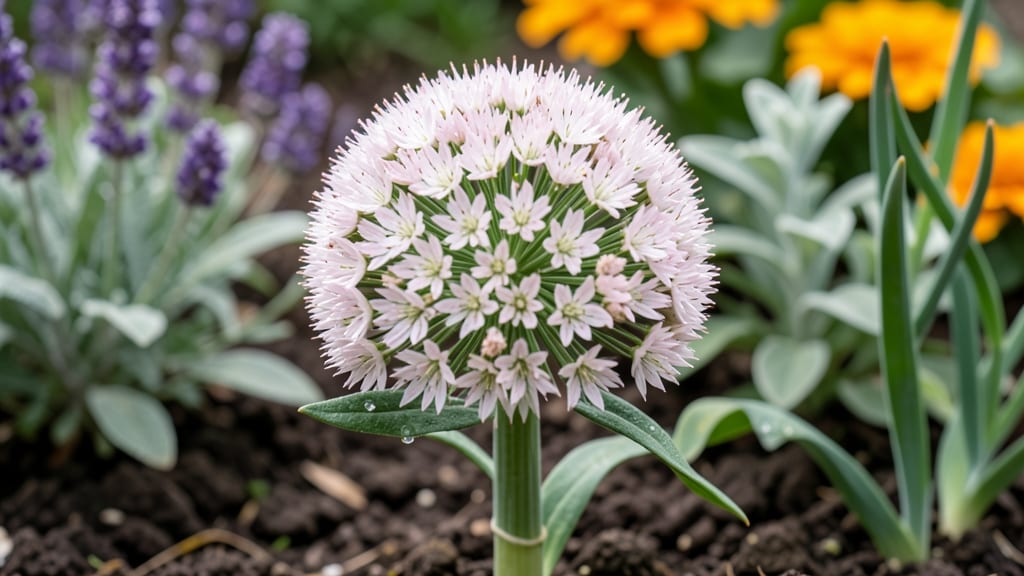
To repel rabbits from garden, begin with physical barriers like chicken wire or sturdy fencing, then reinforce with natural deterrents such as garlic spray, hot pepper solutions, or planting rabbit-resistant herbs like rosemary and thyme. Consistency is key to long-term effectiveness.
Rabbits are drawn to gardens because of the tender, young growth they love to snack on, and they're smart enough to bypass weak deterrents. 🐰 The key to success is combining physical barriers with strong-smelling natural repellents—rabbits rely heavily on scent to avoid threats.
For example, a homemade garlic spray (blended garlic mixed with water and dish soap) can be just as effective as commercial products, but you'll need to reapply it every few days after rain.
Planting herbs like rosemary or thyme around vulnerable areas also works because their strong fragrance masks the smell of your plants, confusing rabbits into thinking the area is unsafe.
What sets this approach apart is the layered defense—physical barriers keep them out, while the natural deterrents create an unpleasant experience that teaches them to avoid your garden altogether. The most common mistake gardeners make is relying on just one method, which rabbits quickly learn to ignore.
For best results, combine both strategies and check your barriers regularly for gaps or damage.
💡 In This Article
- Why Rabbits Target Gardens and How They Bypass Common Deterrents
- Top 5 Natural Rabbit Repellents and How to Apply Them
Why rabbits target gardens and how they bypass common deterrents
Rabbits are crepuscular creatures, meaning they're most active at dawn and dusk—prime times for garden raids. Their diet consists of 90% plant matter, particularly tender young shoots and leaves, which contain high moisture and protein levels that align with their nutritional needs.
The problem? Garden plants like lettuce, beans, and tulips are essentially all-you-can-eat buffets for them. A single rabbit can consume up to 1 pound of vegetation per day, which explains why even small gardens become their primary feeding grounds. 🐇
Their bypassing tactics stem from their acute senses, especially smell and memory. Rabbits have a 400-square-foot home range and rely on scent trails to navigate. If you use a deterrent like mothballs (which contain naphthalene) but only apply it sporadically, they'll quickly learn to associate your garden with non-threatening scents.
Their intelligence means they'll remember which barriers they can push through—like flexible fencing—and which ones they can't. For instance, a 1-foot-high fence is useless because rabbits can easily jump over it, while a 2-3-foot fence buried 6 inches deep creates an effective barrier they can't dig under.
Another critical factor is their social learning behavior. Rabbits observe each other's successes and failures. If one rabbit finds a way around your deterrent—like chewing through a weak wire mesh—others will follow suit within days.
This is why many gardeners report initial success with repellents, only to see damage return after a few weeks. The solution lies in combining physical barriers with rotating natural deterrents, so rabbits never get a consistent "safe zone" to exploit.
For example, alternating between garlic spray and predator urine (like fox or coyote urine) confuses their scent memory and keeps them on edge. 🌿
Texture also plays a role in their avoidance strategies. Rabbits prefer smooth, soft plants over coarse or hairy ones. This is why they often ignore herbs like rosemary or lavender, which have rough leaves and strong aromas.
Their teeth are designed for shearing, not grinding, so they'll bypass plants that require more effort to eat. Understanding this helps explain why some "rabbit-resistant" plants (like marigolds or snapdragons) work better than others—it's not just about smell, but also about the physical challenge of consuming the plant.
Seasonal changes further complicate deterrent effectiveness. In spring, when new growth is abundant, rabbits are more aggressive in their foraging. During winter, when food is scarce, they'll even eat bark or twigs.
This means your deterrent strategy must adapt: double down on barriers and repellents during peak growing seasons, and maintain them year-round to prevent rabbits from reclaiming your garden as a food source.
The key takeaway is that rabbits are persistent learners—they'll always test your defenses, so your repellent plan must be just as adaptable. 🔍
Consider this real-world example: A gardener in Colorado used a chicken wire barrier around their vegetable patch but left gaps at the bottom. Within two weeks, rabbits dug under the wire, creating tunnels to access the plants. The fix?
Burying the wire 12 inches deep and adding a layer of gravel around the perimeter to deter digging. This combination worked because it addressed both their jumping and burrowing instincts simultaneously. The lesson? Rabbits exploit weaknesses—your job is to eliminate them before they do. 💡