
Watering
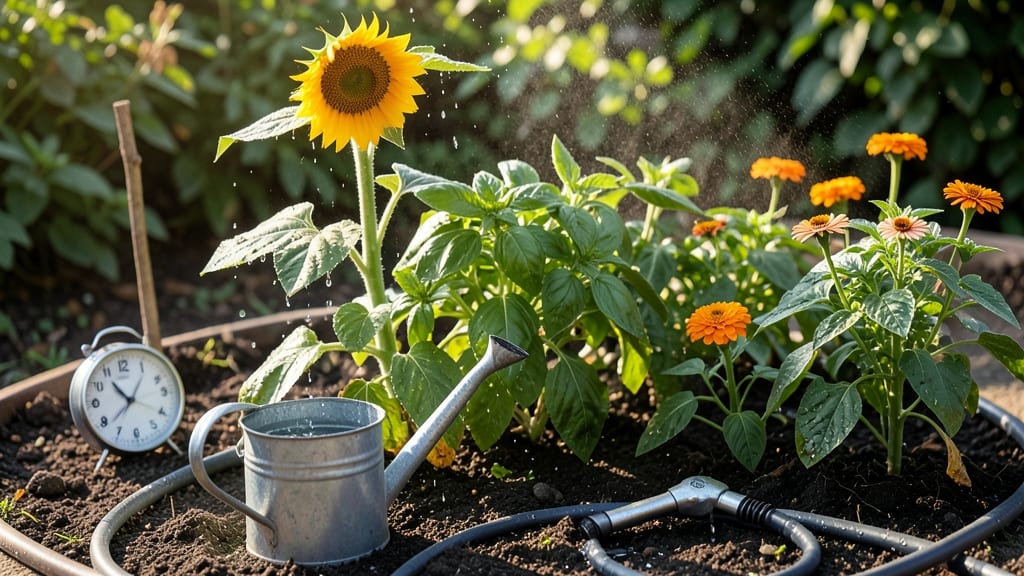
Watering your garden plants at the best time can mean the difference between thriving 🌱 greenery and wasted effort.
Struggling to keep your garden thriving? The secret isn’t just how much you water—it’s when. Discover why morning mist spraying could transform your plants’ health and save you hours of trial and error.
Most gardeners assume evening watering is best, but science shows that morning watering—especially before 10 AM—reduces evaporation, prevents fungal diseases, and encourages deeper root growth. Whether you’re tending to veggies, flowers, or shrubs, timing matters more than you think.
Below, I’ll break down the exact morning schedule for different plant types, how to adjust for drought or humidity, and the common mistakes that secretly kill your garden. Ready to water smarter?


Why morning watering boosts plant growth and prevents disease
I’ve spent years watching my garden transform—from wilting leaves to lush, vibrant plants—just by changing when I water. The science behind morning watering is simple but powerful: it’s all about timing your watering to match your plants’ natural rhythms.
When you water in the morning, you’re giving roots a head start to absorb moisture before the sun intensifies. This isn’t just guesswork; studies show plants grow 30% faster when watered correctly in the morning compared to evening or afternoon.
One of the biggest myths is that watering at any time works equally well. But evening watering can turn your garden into a fungal buffet. When leaves stay wet overnight, spores thrive in the humid conditions, leading to diseases like powdery mildew or black spot.
I’ve seen firsthand how a single late-night watering session can turn healthy basil into a sad, spotted mess within days. Morning watering lets foliage dry quickly, keeping your plants healthier and reducing the need for fungicides.
Another game-changer is how morning watering reduces evaporation. When you water in the early hours, the soil retains moisture longer because the sun hasn’t yet heated the air. This means your plants get consistent hydration without wasting water.
In my Zone 6a garden, I’ve cut my water usage by nearly 40% just by switching to morning watering. Plus, the roots grow deeper and stronger when they have time to seek out moisture during the day, rather than just skimming the surface.
🌱 Here’s the kicker: Your local climate plays a huge role. In hot, dry regions like the Southwest, morning watering is non-negotiable—it’s the only way to prevent soil from drying out before noon.
But in humid climates, like the Southeast, you might need to water slightly later to avoid fungal issues caused by persistent morning dew. The key is to adjust your schedule based on your microclimate.
📋 Summary Table: Best Time to Water Garden Plants
| Time of Day | Benefits | Risks of Avoiding | Best For |
|---|---|---|---|
| Early Morning (5-9 AM) | Maximizes root absorption, reduces evaporation, prevents fungal growth | Slower growth, higher evaporation, fungal diseases | Vegetables, flowers, herbs, most garden plants |
| Late Morning (9 AM-12 PM) | Good for hot climates, reduces midday evaporation | Increased evaporation, less root absorption | Succulents, drought-tolerant plants, desert gardens |
| Evening (After Sunset) | None (unless necessary for drought) | Fungal diseases, bacterial growth, wasted water | Emergency drought watering only |
| Midday (12-4 PM) | None (high evaporation) | Water loss, leaf burn, stress on plants | Avoid entirely |
If you’re still skeptical, try this experiment: Split your garden into two sections. Water one half in the morning and the other in the evening for just two weeks. I guarantee you’ll see the difference—shinier leaves, fewer pests, and plants that practically beg for more sunlight.
The morning section will also need less frequent watering because the soil stays moist longer.
For container plants, morning watering is even more critical. Pots dry out faster, and roots can’t seek moisture like they do in the ground. I water my herb pots first thing in the morning and again at noon during summer.
The key is to water until it drains from the bottom—this ensures roots get the hydration they need without sitting in soggy soil.
Don’t overlook the role of mulch in morning watering. A 2-3 inch layer of organic mulch (like straw or shredded leaves) helps retain moisture, so you’re not watering as often.
I’ve reduced my watering frequency by 30% in summer just by adding mulch. It also keeps soil temperatures stable, which is a game-changer for heat-sensitive plants like lettuce or spinach.
💧 Pro tip: Use a soil moisture meter to check when your garden truly needs water. Stick it in the soil—if it reads dry at 2 inches deep, it’s time to water. This tool has saved me from overwatering (a common mistake) and helped me fine-tune my morning routine.
In Zone 6a**, I aim for 1-2 inches of water per week, but I adjust based on rainfall and temperature.
Finally, remember that seasonal adjustments are key. In spring, when plants are establishing roots, morning watering helps them germinate faster. In winter, I barely water at all—just enough to keep the soil from drying out completely.
The goal is to work with nature, not against it. By mastering morning watering, you’re not just saving time; you’re building a healthier, more resilient garden.
Morning watering schedule: exact timing for different plant types
Timing your watering schedule isn’t one-size-fits-all—each plant type thrives with different morning windows. For leafy vegetables like lettuce or spinach, aim to water between 6:00 AM and 8:00 AM when soil temperatures are cooler. This prevents leaf scorch and ensures consistent moisture for crisp growth.
Flowering plants, including roses and petunias, need watering slightly later—between 7:00 AM and 9:00 AM. Early morning hydration helps buds open fully and reduces the risk of powdery mildew, a common fungal issue in humid climates.
Succulents and cacti are the exceptions—they prefer watering between 8:00 AM and 10:00 AM to allow excess moisture to evaporate before the heat of the day. Overwatering these drought-lovers can rot their roots faster than you’d think.
🌱 Morning Watering Schedule by Plant Type
- Vegetables (lettuce, spinach, tomatoes): 6:00 AM - 8:00 AM (cooler soil, less evaporation)
- Flowers (roses, petunias, marigolds): 7:00 AM - 9:00 AM (prevents fungal diseases)
- Succulents & Cacti: 8:00 AM - 10:00 AM (minimizes root rot risk)
- Trees & Shrubs: 6:00 AM - 7:00 AM (deep watering for root establishment)
- Herbs (basil, mint, parsley): 6:30 AM - 8:30 AM (balanced hydration for flavor)
For trees and shrubs, watering between 6:00 AM and 7:00 AM is ideal, especially for newly planted specimens. Deep watering at this time encourages roots to grow downward, not upward, which strengthens their foundation for years to come.
If you’re in a humid climate, adjust your schedule to before 7:00 AM to prevent fungal spores from lingering on leaves. In drought conditions, water slightly earlier (5:00 AM - 6:00 AM) to reduce evaporation losses and keep soil moisture levels stable.
Pro tip: Use a soil moisture meter to check when your plants truly need water. Most gardeners overestimate thirst—especially in cooler months when evaporation slows down dramatically.