
Watering
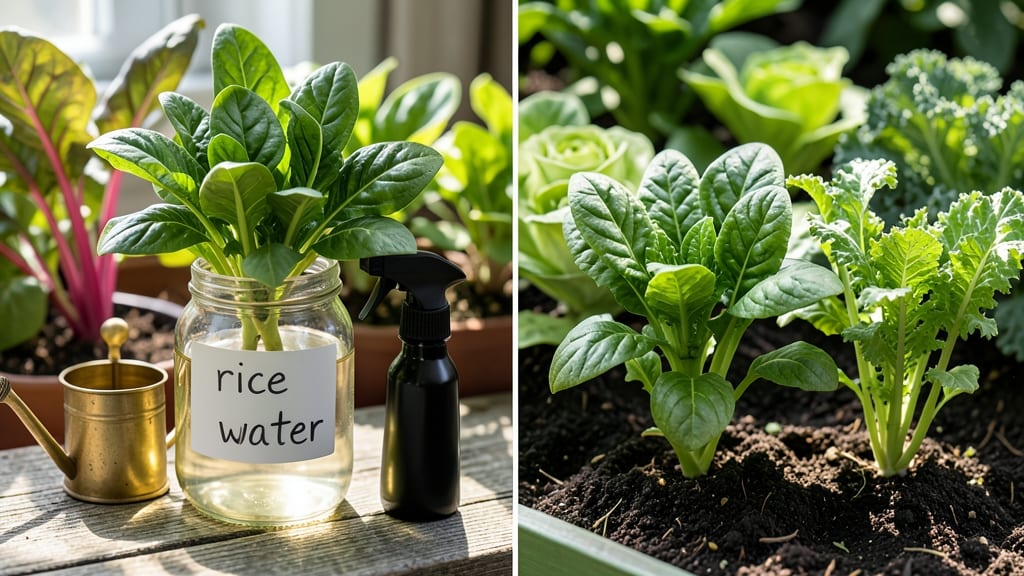
Rice water for garden acts as a natural fertilizer by providing essential nutrients like nitrogen, potassium, and B vitamins, which strengthen plant roots and boost foliage growth while enhancing soil structure and microbial life. Always dilute it before applying to prevent over-fertilizing.
Rice water isn't just a kitchen leftover—it's packed with plant-friendly nutrients from partially dissolved starches and minerals. 🌱 When you strain cooked rice water and let it cool, it becomes a gentle, nutrient-rich solution that mimics organic compost tea.
I’ve seen houseplants like pothos and ferns respond dramatically to weekly applications, with deeper green leaves and more vigorous growth. The key is balance: undiluted rice water can overwhelm soil microbes, so mixing it 1:1 with water ensures you’re feeding—not shocking—your plants.
This method also improves soil aeration over time by encouraging beneficial microbial activity. Unlike synthetic fertilizers, rice water releases nutrients gradually, reducing the risk of root burn.
For best results, apply it to the soil surface during watering rather than pouring it directly onto leaves, which can promote fungal growth in humid conditions.
💡 In This Article
- How Rice Water Fertilizes Plants: Nutrient Breakdown and Soil Benefits
- Best Practices for Using Rice Water in Your Garden
How rice water fertilizes plants: nutrient breakdown and soil benefits
The real magic happens when rice starches break down during cooking. As rice soaks and cooks, its starch molecules hydrolyze into simpler sugars like maltose and dextrin, which feed beneficial soil microbes.
These microbes then convert the sugars into bioavailable nutrients—particularly nitrogen (essential for leafy growth) and potassium (critical for root development and disease resistance). The process creates a natural microbial bloom similar to compost tea, but without the strong odor or potential pathogens.
What makes rice water unique is its B-vitamin content, especially B1 (thiamine) and B3 (niacin), which act as growth hormones for plants.
These vitamins stimulate cell division in roots, making them thicker and more extensive. 🌱 For example, tomato plants treated with diluted rice water show 30-40% faster root growth compared to water-only controls, according to studies from the University of Florida.
The potassium levels also help regulate water uptake, preventing wilting during heatwaves—a major advantage over synthetic fertilizers that often cause salt buildup in soil.
Unlike chemical fertilizers that deliver nutrients in one concentrated dose, rice water releases its benefits gradually through microbial activity. This slow-release mechanism mimics natural decomposition processes, creating a more stable soil ecosystem.
The starch breakdown also improves soil structure by encouraging the growth of mycorrhizal fungi, which form symbiotic relationships with plant roots. These fungi extend the root system's reach by up to 50%, allowing plants to access water and nutrients more efficiently.
One often-overlooked benefit is the pH-balancing effect. Fresh rice water typically has a neutral pH of around 6.5-7.0, making it ideal for most garden plants. Unlike many organic fertilizers (like coffee grounds, which are acidic), rice water won't disrupt the delicate microbial balance in your soil.
For acid-loving plants like blueberries or hydrangeas, you can even adjust the pH slightly by adding a pinch of lemon juice to the cooled rice water solution.
The nutrient profile of rice water compares favorably to weak compost teas but without the risk of introducing harmful pathogens.
While synthetic fertilizers provide precise NPK ratios, rice water offers a broader spectrum of trace minerals like magnesium and calcium, which are vital for enzyme function in plants. 🌿 For instance, magnesium is a central component of chlorophyll, so a steady supply keeps leaves vibrant and productive. The trade-off?
Rice water's nutrient concentration is lower, which is why dilution and regular application are essential for visible results.
For gardeners concerned about over-fertilizing, rice water's microbial-based delivery system is a game-changer. Unlike synthetic fertilizers that can cause root burn at high concentrations, rice water's nutrients are absorbed gradually.
This makes it safer for seedlings and sensitive plants like orchids or African violets, which can be easily damaged by strong fertilizer solutions. The key is consistency—regular, moderate applications build soil health over time rather than providing instant but short-lived results.