
Tools
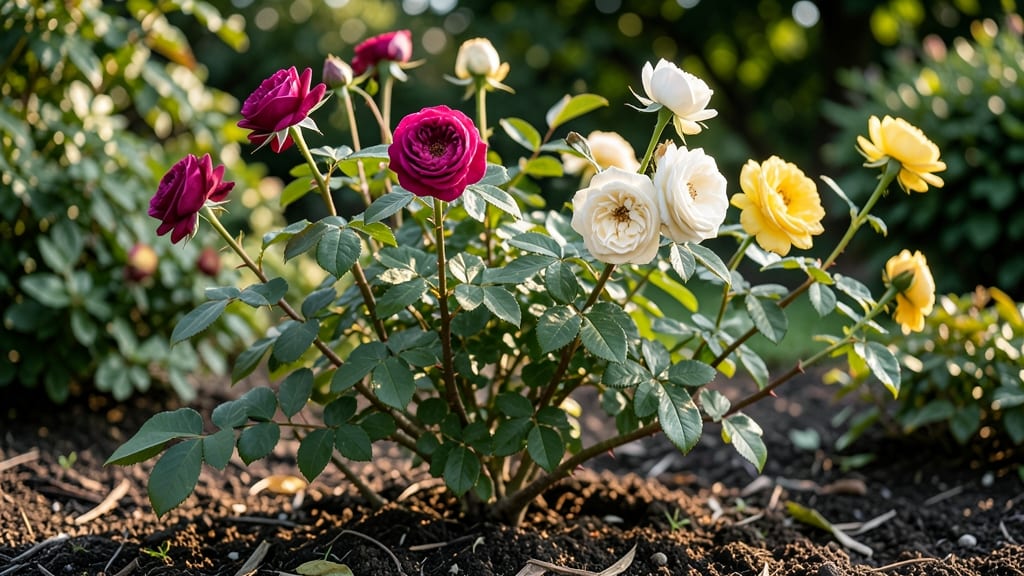
Seattle’s rose gardens flourish in neighborhoods like Queen Anne, Fremont, and the University District, where the city's temperate climate and nutrient-rich soil create ideal growing conditions. Year-round maintenance includes winter mulching, early spring pruning, and selecting hardy varieties like Knock Out roses or David Austin roses to withstand Seattle's unique weather patterns.
Seattle's maritime climate—with its cool, damp summers and mild winters—actually works in roses' favor, preventing extreme heat stress while providing plenty of rainfall. 🌸 The city's acidic, well-draining soil further enhances growth, though gardeners in denser urban areas often need to amend soil with compost to improve drainage.
Unlike drier PNW regions, Seattle's humidity means roses need extra attention for fungal diseases, making disease-resistant varieties a must-have for local gardeners. The best time to plant new roses is actually in early spring or fall, when temperatures are moderate and the risk of disease is lower.
💡 In This Article
- Seattle’s Climate and Soil for Thriving Rose Gardens
- Top Seattle Rose Varieties for Low-Maintenance Beauty
Seattle’s climate and soil for thriving rose gardens
Seattle’s maritime climate creates a unique growing environment for roses, where cool summers (70-80°F) and mild winters (35-45°F) prevent extreme temperature swings that stress plants. The city’s average 36 inches of annual rainfall provides consistent moisture, but the humidity also demands careful disease management.
Unlike drier PNW regions like Eastern Washington, where roses need frequent irrigation, Seattle’s natural rainfall reduces watering needs—though 1-2 inches per week during bloom season still supports optimal growth.
The soil in Seattle’s most successful rose-growing neighborhoods—Queen Anne and Fremont—typically has a pH between 6.0 and 6.5, slightly acidic but well-balanced for roses. The rich, loamy topsoil found in these areas retains moisture while allowing excess water to drain, preventing root rot.
Gardeners in denser urban areas often need to amend their soil with compost or peat moss to improve drainage, especially in compacted city soils.
The contrast with Seattle’s eastern suburbs, where soils are often sandier and less fertile, highlights why Queen Anne’s volcanic soil legacy makes it a rose gardener’s paradise.
Seasonal growth patterns in Seattle’s climate mean roses bloom in three distinct waves: early spring (March-April), summer (June-August), and fall (September-October). The cool nights help preserve petal integrity, while the frequent overcast skies reduce sunburn risk on delicate blooms.
However, this same climate creates challenges: fungal diseases like black spot thrive in the damp conditions, requiring proactive fungicide applications every 4-6 weeks during wet seasons. The key adaptation for Seattle gardeners is selecting varieties bred for disease resistance while maintaining proper air circulation around plants.
Watering strategies must adapt to Seattle’s unpredictable weather. While the city’s rainfall handles most needs, roses still require deep watering 1-2 times per week during dry spells to encourage deep root growth.
Mulching with 3-4 inches of wood chips or bark helps retain moisture and regulate soil temperature, while also suppressing weeds that compete for nutrients. The contrast with drier PNW regions shows how Seattle’s climate actually simplifies water management—just be prepared for more frequent disease monitoring than in sunnier areas.
For those comparing Seattle’s rose-growing conditions to other PNW regions, the biggest advantage is the consistent moisture without extreme heat. Portland’s slightly warmer summers create more heat stress, while Western Washington’s coastal areas have similar humidity but often windier conditions that require staking for climbing varieties.
Seattle’s balance makes it ideal for English roses and hybrid teas, which appreciate the moderate climate without the harsh winters of inland PNW areas.
What most Seattle gardeners don’t realize is how the city’s microclimates affect rose performance. While Queen Anne benefits from well-draining volcanic soil, areas near Lake Washington can experience cooler, foggier conditions that delay blooming by 2-3 weeks.
This is why local experts recommend testing your soil’s pH and drainage before planting—Seattle’s climate variations mean what works in Fremont might need adjustments in West Seattle.