
Planting
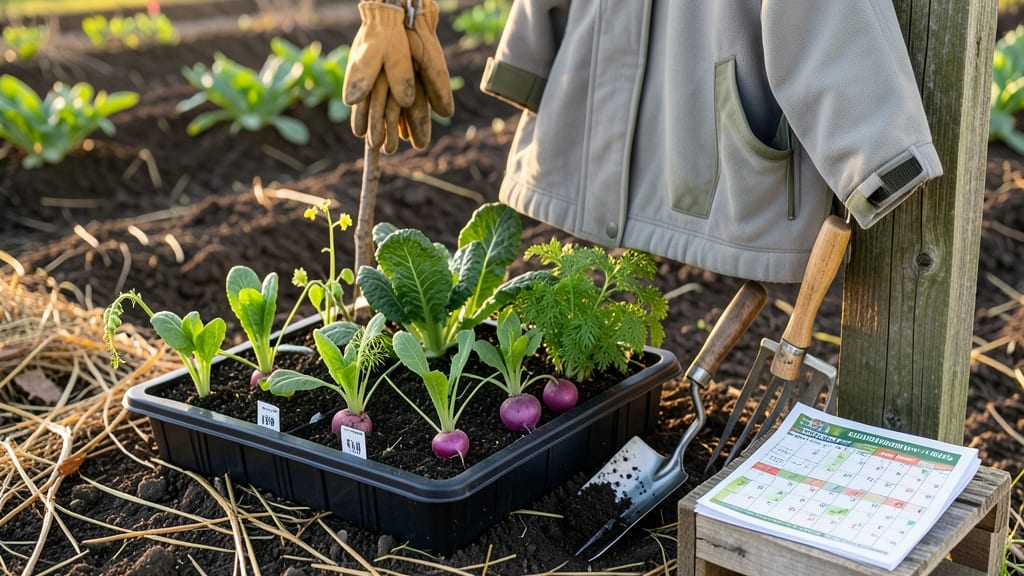
Planting a garden in New Brunswick after the last frost—typically mid-May—sets the stage for a bountiful harvest or a season of frustration.
Timing your garden planting in New Brunswick can mean the difference between a thriving harvest and a wasted season—get it wrong, and frost will strike before your seedlings even sprout. The 5a-6a climate zones here demand precision, especially with short growing seasons and unpredictable coastal weather.
Whether you're sowing hardy peas in March or transplanting tomatoes in June, knowing the ideal planting windows for each crop is the key.
This guide breaks down frost-free deadlines by zone, so you can avoid common mistakes like planting too early in Fredericton or too late near the Bay of Fundy.
You’ll discover month-by-month schedules for New Brunswick’s top vegetables and flowers, plus tips for adjusting your timeline when weather throws curveballs. Ready to grow like a pro?
New Brunswick frost dates by Zone: when to start planting cool and warm season crops
New Brunswick’s diverse USDA zones (4a-6b) create unique planting windows for gardeners. Whether you're in Fredericton (Zone 5b) or Saint John (Zone 6a), knowing your last frost date is critical—it dictates when to sow seeds and transplant seedlings.
Coastal areas like Grand Manan often enjoy 10-14 days earlier than inland regions, thanks to moderating ocean breezes.
For most of New Brunswick, the average last frost falls between May 10-20, but this can shift ±10 days depending on your microclimate. Warm-season crops like tomatoes and peppers need soil temperatures above 55°F (13°C) to thrive, while cool-season crops like peas and spinach can handle lighter frosts.
Let’s break down your zone’s specifics to avoid frost damage and maximize your harvest.
🌱
| Zone | Last Frost Date | First Frost Date | Warm-Season Start | Cool-Season Window | Key Adjustments |
|---|---|---|---|---|---|
| Zone 4a (e.g., Miramichi) | May 25 | September 20 | June 10 (after soil warms) | March 15–April 30 | Use row covers for early starts |
| Zone 5a (e.g., Woodstock) | May 15 | September 25 | May 25 (after last frost) | March 1–April 15 | Wait for 50°F soil for tomatoes |
| Zone 5b (e.g., Fredericton) | May 10 | October 5 | May 15 (soil test first) | March 10–April 30 | Coastal areas: 1 week earlier |
| Zone 6a (e.g., Saint John) | April 25 | October 15 | May 1 (earlier for heat-lovers) | February 28–April 15 | Longer growing season—double crop! |
| Coastal Microclimate (e.g., Grand Manan) | April 15 | October 25 | April 25 (ocean moderates temps) | February 15–April 30 | Fog delays frost—plant earlier |
In Zone 4a, like Miramichi, gardeners should start cool-season crops indoors by March 1 and harden off seedlings by April 15.
For Zone 6a areas like Saint John, you can direct-sow peas as early as February 28—just cover them if frost threatens. Tomatoes and peppers in Zone 5b (Fredericton) should wait until May 15 when soil reaches 60°F (16°C).
🌿
Microclimates play a huge role. South-facing slopes warm up faster, allowing 2-3 weeks earlier planting than north-facing beds. Urban heat islands in Fredericton can push last frost dates back by 5-7 days.
If you’re near the coast, leverage the ocean’s warmth—plant cucumbers and squash 10 days earlier than inland guidelines suggest. Always monitor local weather forecasts in April, as late frosts can still occur.
For warm-season crops like tomatoes and peppers, start seeds indoors 8-10 weeks before your last frost.
In Zone 5b, that means March 15 for transplanting by May 15. Cool-season crops like kale and spinach can handle light frosts—sow them 4-6 weeks before your last frost (early March in Zone 6a). Succession planting every 2 weeks ensures a continuous harvest of lettuce and radishes.
🌱
Don’t forget fall planting!
In Zone 5a, you can sow carrots and beets until August 15 for a fall harvest before frost. Garlic and onions should be planted in October for next year’s crop. Extend your season with row covers or cold frames, which can add 2-4 weeks to your growing window.
For example, in Saint John (Zone 6a), you might harvest kale until November 15 with protection.
💡
Pro tip: Test your soil temperature with a soil thermometer before planting warm-season crops. Peppers need 70°F (21°C), while tomatoes thrive at 60°F (16°C).
If your soil is too cold, use black plastic mulch to warm it up 2-3 weeks faster. Coastal gardeners should also watch for salty air, which can stress plants—rinse leaves with fresh water if needed.
🌳
Best planting schedule for New Brunswick’s top 10 garden vegetables
New Brunswick’s short growing season demands precision when planting your garden. Whether you’re growing potatoes in early spring or cucumbers in summer, timing is everything. The key is balancing last frost dates (mid-May in most zones) with each crop’s ideal soil temperature.
For example, ‘Kennebec’ potatoes thrive when planted in March as soon as the ground is workable, while ‘Early Girl’ tomatoes need to wait until after late May to avoid frost damage.
Succession planting is your secret weapon for continuous harvests. By staggering plantings every 2-3 weeks, you can enjoy fresh lettuce, radishes, and green beans all season long. For instance, sow radish seeds every 10 days from April to July for a steady supply.
Meanwhile, broccoli and kale can handle cooler fall temps, making them perfect for late summer plantings.
Here’s your month-by-month guide to planting New Brunswick’s top 10 vegetables, including when to start seeds indoors vs. direct-sowing outdoors:
Pro tip: Use row covers to extend your season for cool-season crops like spinach and kale into early fall. For warm-season crops, prioritize soil warmth—black plastic mulch can raise soil temps by 5-10°F, giving tomatoes and peppers a head start.
Remember, New Brunswick’s microclimates vary—coastal areas like Saint John have longer growing seasons than inland Fredericton. Adjust your schedule by 1-2 weeks based on your local frost dates. With this schedule, you’ll maximize your harvest before the first frost hits in mid-October.