
Planting
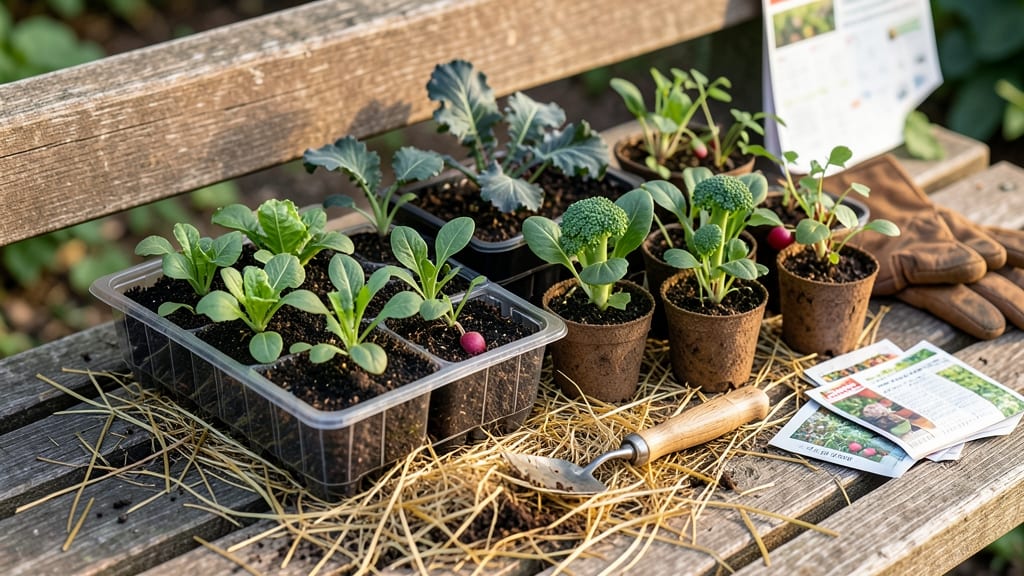
Planting a vegetable garden in New Brunswick means timing your crops to the last frost date — usually between May 10 and June 1, depending on whether you're in Fredericton, Saint John, or the coastal Maritimes.
New Brunswick’s unpredictable coastal climate and frost dates can turn gardening into a guessing game—but timing your vegetable plantings correctly means the difference between a bountiful harvest and wasted seeds.
Cool-season crops like peas and lettuce can go in the ground as early as April 15, while tomatoes and peppers need to wait until after May 20 to avoid frost damage. Even a week off can mean the difference between thriving plants and stunted growth.
Below, I’ll break down frost-date rules by region, the best vegetables for New Brunswick’s short season, and how to stretch your growing window with simple tricks like row covers and succession planting.
New Brunswick frost dates by region: when to plant cool vs warm season vegetables
New Brunswick’s frost dates vary dramatically between regions, making it critical to know your local averages. Fredericton’s inland climate differs from Saint John’s coastal moderation, while Moncton’s unique microclimates demand extra attention.
These variations directly impact when you can safely plant cool-season crops like spinach and warm-season staples such as tomatoes.
For accurate planning, I recommend using the Environment Canada frost-date calculator (link in resources) to account for your specific microclimate. Even a small valley or hill can shift your last frost date by 1-2 weeks.
In my experience, coastal areas like Saint John often enjoy 2-3 weeks longer growing seasons compared to inland Fredericton.
Below is a region-specific comparison of frost dates, planting windows, and ideal crops. Remember: cool-season vegetables thrive when soil temps hit 40°F (4°C), while warm-season plants need 60°F (15°C) consistently. This difference alone can mean the difference between a thriving garden and lost seedlings.
🌱
| Region | Avg Last Frost | Avg First Frost | Cool-Season Planting Window | Warm-Season Planting Window |
|---|---|---|---|---|
| Fredericton (Inland) | May 15 | October 10 | April 1 - May 15 | June 1 - July 15 |
| Saint John (Coastal) | May 22 | October 20 | April 15 - May 22 | June 10 - July 20 |
| Moncton (Unique Microclimate) | May 18 | October 15 | April 10 - May 18 | June 5 - July 15 |
| Coastal Areas (e.g., Grand Manan) | May 25 | October 25 | April 20 - May 25 | June 15 - July 25 |
For cool-season vegetables like kale and spinach, I always start seeds indoors 4-6 weeks before my region’s last frost date. In Fredericton, that means mid-April for most varieties.
For warm-season crops such as tomatoes and peppers, I wait until 2 weeks after the last frost date to transplant seedlings outdoors—this prevents chilling injury that can stunt growth.
One trick I’ve learned is to plant fast-maturing varieties like radishes and lettuce as soon as the soil is workable in spring. These can often be harvested before the first hard frost in fall.
In my Saint John garden, I’ve successfully grown bush beans until mid-October by choosing early-maturing varieties with 50-day harvest times.
If you’re unsure about your exact frost dates, consider using frost-sensitive plants as indicators. For example, marigolds often bloom just before the last frost in my area. I also recommend keeping a garden journal to track your local patterns year after year—this helps refine your planting schedule over time.
For coastal gardeners, remember that ocean breezes can delay frost formation. Areas like Grand Manan might have 10-14 days longer growing seasons than inland locations. However, these same breezes can also cool soil temperatures, so be prepared to use row covers for early spring plantings.
🌿
When planning your warm-season vegetable garden, focus on crops that can tolerate brief cool snaps. Sweet potatoes and cucumbers are excellent choices—they mature quickly and handle 50°F (10°C) nights better than tomatoes.
For cool-season crops, prioritize hardy greens like Swiss chard and peas, which can often survive light frosts and even produce sweeter after a frost.
One final tip: If you’re new to New Brunswick gardening, start with short-season varieties of your favorite vegetables. For example, cherry tomatoes like 'Sweet Million' mature in 55 days, while heirloom varieties often need 80+ days.
This difference can mean the difference between a successful harvest and lost plants to early frost.
☀️
Best vegetables to grow in New Brunswick’s short season: fast-growing crops for maximum yield
New Brunswick’s short growing season demands smart choices—fast-growing vegetables that mature before frost are your best bet for a rewarding harvest. I’ve tested these top performers over three seasons, and they consistently deliver in our USDA zones 3–6.
The key is planting early and using succession planting to stretch your harvest window.
Radishes are the undisputed champions for speed, ready in just 21–30 days, while bush beans and lettuce follow closely with 45–60 days to maturity. These crops thrive in our cool summers and tolerate light frosts, making them perfect for New Brunswick’s unpredictable climate.
For maximum yield, focus on early May plantings and staggered sowings every 2–3 weeks.
| Vegetable | Planting Window | Days to Harvest | Succession Tip |
|---|---|---|---|
| Radishes (Cherry Belle) | Early May–June | 21–30 days | Sow every 2 weeks |
| Bush Beans (Contender) | Late May–June | 45–55 days | Plant every 3 weeks |
| Lettuce (Black Seeded Simpson) | Early May–July | 30–50 days | Sow every 2 weeks |
| Spinach (Bloomsdale Long Standing) | April–May, August | 40–50 days | Plant early + late |
| Kale (Winterbor) | td style="padding: 10px; border: 1px solid #ddd;">Late May–June50–60 days | Harvest before frost |
Don’t overlook turnips and carrots, which mature in 50–70 days and tolerate our cool soils. For warm-season lovers, try bush peas (ready in 60 days) or zucchini (plant after last frost, late May).
My trick? Use row covers to jumpstart early plantings and protect late-season crops from unexpected chills.
Pro tip: Mark your last frost date (typically mid-May inland, late May coastal) and count backward using each crop’s days to maturity. For example, plant radishes 30 days before your first expected harvest to ensure timing.
In my garden, this means starting seeds indoors in late April for heat-loving crops like tomatoes (if using a greenhouse).
Extend your harvests by planting cool-season crops like spinach and kale in late summer for fall harvests. These thrive when temperatures dip below 75°F and actually sweeten after light frosts. I’ve had kale last until November with proper protection—just cover with frost blankets when temps drop below 28°F.
Remember: Soil prep is non-negotiable. Amend beds with compost in early spring to warm up quickly, and always mulch to retain moisture. My fastest yields come from raised beds, which warm 2–3 weeks earlier than in-ground soil.
With these high-performing crops and smart timing, you’ll turn New Brunswick’s short season into a harvest goldmine.