
Tools
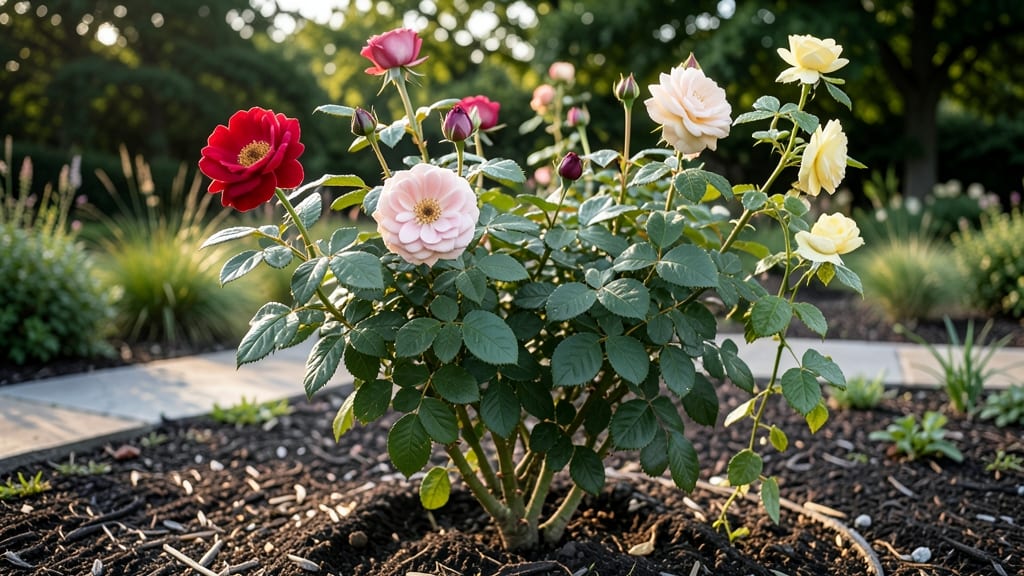
The classic song Rose Garden by Lynn Anderson paints a vivid picture of a woman nurturing her roses while longing for her absent lover, using floral imagery to express both devotion and quiet resilience. Since its 1970 release, the track has remained a beloved country standard and unexpected gardening anthem.
The song’s enduring appeal lies in its dual nature—it’s both a heartfelt love ballad and a celebration of gardening as an act of patience and hope. 🌹 The lyrics transform roses into symbols of enduring love, with each bloom representing both beauty and the passage of time.
What’s fascinating is how the garden itself becomes a character, mirroring the woman’s emotional state through seasonal cycles and tender care.
Beyond its lyrical beauty, Rose Garden has inspired generations of gardeners to see their own green spaces through a new lens. The song’s imagery—think "red roses and white roses"—has even influenced how people design romantic garden layouts, often pairing classic roses with complementary perennials for that nostalgic country aesthetic.
It’s a perfect example of how music can shape our connection to nature.
💡 In This Article
- Symbolism and Meaning Behind Rose Garden’s Floral Imagery
- How to Recreate the Rose Garden Song’s Vibe in Your Own Backyard
Symbolism and meaning behind Rose Garden’s Floral Imagery
The roses in Rose Garden aren’t just decorative—they’re emotional vessels. Red roses symbolize deep love and passion, while white roses represent purity and new beginnings.
The song’s narrator tends to both colors, mirroring how love itself contains contradictions: passion and devotion, longing and hope. 🌹 What’s brilliant is how the garden becomes a living metaphor for the woman’s patience—just as roses require pruning and care, her love endures through absence.
Seasonal imagery plays a key role too. The song’s reference to \"springtime roses\" ties to renewal, while autumn’s fading blooms reflect the passage of time. This mirrors classic gardening symbolism where roses often represent fleeting beauty and resilience.
In literature, roses frequently symbolize sacrifice (like Shakespeare’s Sonnet 54), and Anderson’s lyrics extend this by showing how love persists despite hardship.
The garden itself acts as a character—it’s both a sanctuary and a silent witness. When the narrator sings about \"walking through the garden alone,\" it’s not just physical space but emotional territory.
The roses’ thorns could represent the pain of waiting, while their fragrance symbolizes the sweetness of enduring love. This duality makes the song’s floral imagery uniquely powerful.
Interestingly, roses in folklore often symbolize secrets and hidden messages. The song’s repeated refrain about \"taking care of my rose garden\" could subtly suggest the narrator’s love is a private, guarded thing—something she tends to in solitude.
This aligns with country music’s tradition of using nature as a backdrop for personal stories.
What’s often overlooked is how the song’s structure mirrors gardening cycles. Each verse builds like seasons—starting with planting (hope), moving through growth (longing), and ending with harvest (reunion).
The chorus acts like sunlight, bringing everything into focus. This isn’t just a love song; it’s a botanical allegory about how we nurture both gardens and relationships.
For gardeners, this symbolism is particularly moving. When you’re pruning dead blooms or watching new buds form, you’re not just tending plants—you’re participating in the same metaphor Anderson wove into her lyrics.
The song turns everyday gardening into an act of emotional maintenance, making your own rose garden feel like a love letter in bloom. 💫