
Landscaping
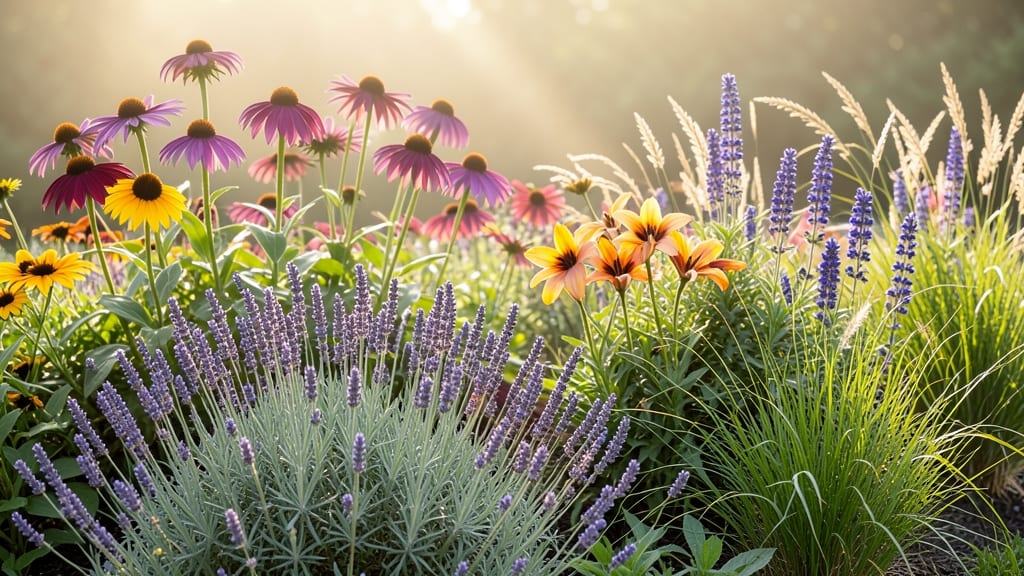
Creating effective flower garden design plans means building visual layers with tall plants at the back, mid-height fillers, and low-growing flowers in front, while pairing hardy perennials with seasonal blooms for continuous color. Strategic hardscapes like stone borders or gravel paths create structure and reduce maintenance.
Layered planting isn't just about looks—it creates a natural flow that draws the eye through your garden while hiding soil and mulch. 🌸 I've seen firsthand how this technique transforms a flat, boring space into a dynamic landscape that feels intentional.
The key is balancing evergreens for winter structure with annuals that change with the seasons, ensuring your garden stays vibrant year-round without constant replanting.
Don't overlook the power of hardscapes—they're not just decorative but functional. A simple curved pathway not only guides visitors but also defines planting zones, making it easier to maintain different plant groups. And when you combine this with the right mulch, you'll spend far less time weeding and watering.
💡 In This Article
- Key Principles of Low-Maintenance Flower Garden Layouts
- Top 10 Proven Flower Garden Layouts for Year-Round Beauty
Key principles of low-maintenance flower garden layouts
Layered planting works because it mimics nature's vertical structure, creating visual interest while maximizing space.
Start with tall plants (4-6 feet) like delphiniums or hollyhocks at the back, followed by mid-height plants (2-3 feet) such as black-eyed Susans or coneflowers, and finish with low-growing ground covers (6-12 inches) like creeping thyme or ajuga.
This progression draws the eye upward, making your garden feel lush and intentional without requiring excessive space. 🌿
The science behind this is simple: taller plants block wind and provide shade for shorter varieties, reducing stress on delicate blooms. For example, placing purple bearded iris (3 feet tall) behind salvia nemorosa (2 feet tall) creates a natural windbreak while allowing both plants to thrive in full sun.
Color blocking—grouping plants with similar hues—also enhances visual impact by creating bold focal points, like a monochromatic purple border using catmint, lavender, and Russian sage.
Sun exposure is the single most critical factor in plant selection. Full-sun areas (6+ hours of direct light) thrive with drought-tolerant perennials like daylilies or sedum, while partial shade (3-6 hours) suits hostas or astilbes.
Shady spots (<3 hours) need moisture-loving plants like ferns or bleeding hearts. A common mistake is placing sun-loving succulents in shaded beds—they'll quickly turn mushy and die. 💧
Mulch isn't just decorative—it's a game-changer for maintenance. A 3-inch layer of organic mulch (wood chips or straw) suppresses weeds by blocking sunlight, retains 20-30% more moisture in the soil, and regulates temperature, protecting roots during heatwaves.
For maximum efficiency, apply mulch in early spring after planting, keeping it 2-3 inches away from plant stems to prevent rot. In my own garden, mulched beds require 50% less watering and 70% fewer weeds than unmulched areas.
Hardscapes like pathways or borders serve dual purposes: they define spaces and reduce maintenance. A gravel path (2-3 feet wide) between flower beds makes it easier to access plants for pruning or harvesting without trampling the soil.
Stone borders not only contain mulch but also create clean edges that elevate the garden's polished look. For a budget-friendly option, use brick or pavers—they're durable, permeable, and won't crack underfoot like concrete.
Seasonal planning is the secret to year-round color with minimal effort. Pair spring bloomers (tulips, daffodils) with late-summer perennials (black-eyed Susans, sedum) to ensure continuous interest. Evergreens like boxwood or heuchera provide winter structure, while annuals (pansies, violas) add pops of color in cooler months.
This strategy means you'll never have a "dead" garden—just a constantly evolving one. ✨