
Flowers
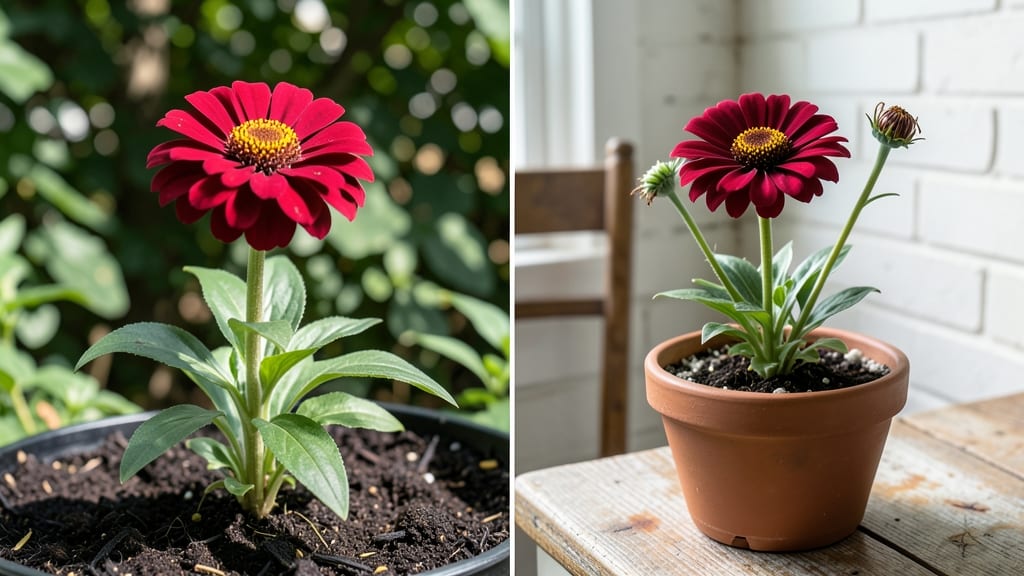
The phrase sisters are the same flowers from a different garden captures how genetically identical plants—like siblings—develop unique traits when grown in varying soil, sunlight, or climate conditions, creating distinct beauty despite shared DNA.
The phrase highlights how environment shapes plant characteristics, much like how siblings raised in different homes may share core traits but develop distinct personalities. 🌸 For example, two genetically identical roses might produce vibrant red blooms in full sun but softer pink flowers in partial shade.
This phenomenon isn't just about aesthetics—it also affects growth patterns, fragrance intensity, and even disease resistance. Understanding this principle helps gardeners create diverse, thriving landscapes from identical plant stock, proving that nature's beauty often lies in the details of nurture over nature.
This concept extends beyond flowers to all living things, showing how small environmental changes can lead to significant differences in appearance and performance. Whether you're growing heirloom tomatoes or orchids, recognizing this balance between genetics and environment lets you intentionally cultivate variety while maintaining genetic connections.
💡 In This Article
- Genetic vs. Environmental Factors in Plant Growth
- Practical Tips for Growing Sister Plants with Maximum Variety
Genetic vs. environmental factors in plant growth
At the core of this phenomenon lies the fascinating interplay between a plant's genetic blueprint and its environmental surroundings. While identical DNA provides the foundational template—like a family's shared ancestry—it's the growing conditions that determine how those genetic instructions get expressed.
For instance, two genetically identical petunia plants might inherit genes for purple flowers, but one grown in full sun with alkaline soil could develop a vibrant lavender hue, while its sister in partial shade with acidic soil might bloom in soft pink tones.
This occurs because environmental factors influence the production of specific pigments, like anthocyanins responsible for red/purple hues.
The science gets even more intriguing with epigenetics—the study of how environmental factors can chemically modify genes without altering the DNA sequence itself.
For example, stress conditions like drought or poor soil nutrients can trigger epigenetic changes that make plants more drought-resistant, even though their genetic code remains identical. 🌱 In roses, this might explain why one plant develops thicker, waxier petals in a dry climate while its sister remains delicate in a humid environment.
The same principle applies to fragrance: stress can actually increase volatile organic compounds that create stronger scents, making one "sister" plant more fragrant than another despite identical genetics.
Light exposure plays a particularly dramatic role in flower color variations. Take the classic example of geraniums: identical clones grown under blue-rich LED grow lights (which mimic natural daylight) produce deeper red blooms, while those under red spectrum lighting develop more muted pink flowers.
This happens because different light wavelengths affect the plant's photomorphogenic responses—how it perceives and reacts to light. The same genetic code produces different pigment pathways depending on the light environment, creating what appears to be entirely new color variations from identical starting material.
Soil pH creates another layer of variation. Acidic soils (pH < 7) often enhance the availability of iron and manganese, which can intensify green hues in foliage, while alkaline soils (pH > 7) may promote the development of certain blue or purple pigments. For example, identical hydrangea cuttings will produce blue flowers in acidic soil and pink flowers in alkaline conditions—yet their genetic makeup remains unchanged.
This chemical interaction between soil minerals and plant pigments demonstrates how environment can completely alter visual characteristics without modifying the underlying DNA.
Temperature also contributes to floral diversity. Many plants have temperature-sensitive enzymes that regulate pigment production. For instance, cooler nighttime temperatures can enhance the production of anthocyanins, leading to deeper colors in morning-glory flowers. Meanwhile, warmer temperatures might accelerate growth rates, resulting in larger but less vibrant blooms.
The same genetic plant might produce compact, intensely colored flowers in cooler climates and sprawling, paler blooms in heat, creating what appears to be two distinct varieties from identical parent stock.
What's particularly fascinating is how these environmental influences create what scientists call "phenotypic plasticity"—the ability of a single genotype to produce multiple phenotypes in response to different conditions. This explains why gardeners can create stunning visual diversity from genetically identical plants simply by varying their growing conditions.
The key takeaway is that while genetics provides the potential, environment determines the reality of what those plants will become.