
Shrubs
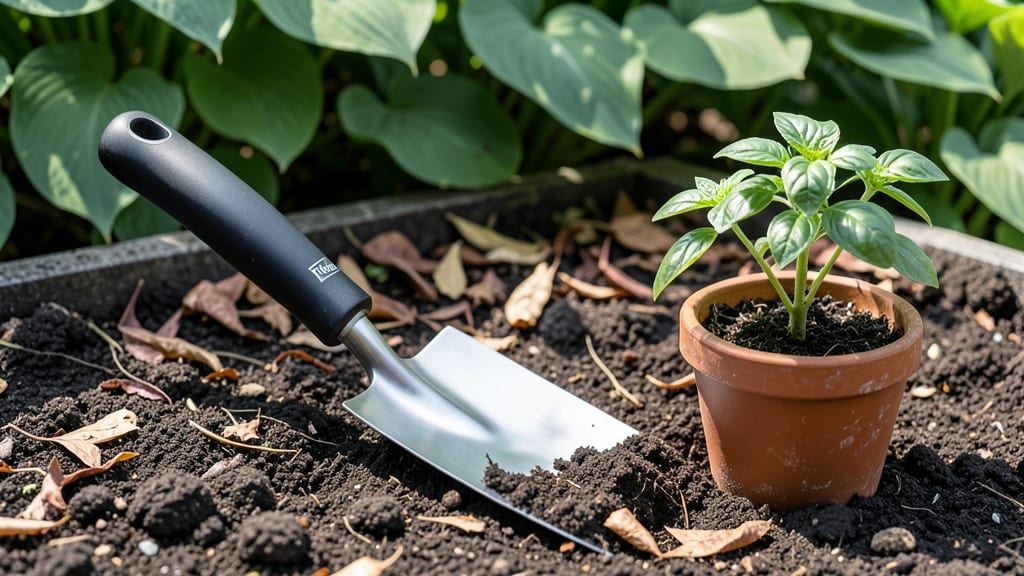
The name for a small shovel used in gardening is a trowel, and it comes in specialized varieties like border, transplanting, or edging trowels tailored for precise tasks such as planting seeds, dividing perennials, or shaping garden beds.
The right tool makes all the difference in gardening, and trowels are the unsung heroes for delicate work. 🌱 These compact shovels come in different blade shapes—some with pointed tips for digging small holes, others with flat edges for creating clean garden borders.
I've found that stainless steel trowels last longer in wet conditions, while lightweight aluminum versions reduce hand fatigue during long planting sessions. The handle length also matters: shorter handles offer better control for seed sowing, while longer ones provide leverage for heavier tasks like transplanting shrubs.
What sets trowels apart from regular shovels is their precision. A standard shovel moves dirt in broad strokes, but a trowel lets you work with individual plants or create tight edges without disturbing nearby soil.
For example, when dividing perennials, a narrow transplanting trowel gives you the control to separate roots cleanly, while an edging trowel with a flat blade creates those crisp, professional-looking garden borders. The key is matching the tool to the task—your garden's needs will dictate which type becomes your most-used companion.
💡 In This Article
- How Different Small Shovels Serve Unique Gardening Purposes
- Choosing the Best Small Shovel for Your Garden Tasks
How different small shovels serve unique gardening purposes
The blade shape of a trowel is its defining feature, directly impacting its function. A transplanting trowel typically has a narrow, pointed blade (about 1.5-2 inches wide) designed to dig small, precise holes for seedlings or bulbs.
The pointed tip allows it to penetrate compacted soil without disturbing nearby roots—a critical advantage when planting delicate perennials like hostas or dividing peonies.
In contrast, an edging trowel sports a flat, rectangular blade (around 2-3 inches wide) with a straight edge, perfect for slicing through soil to create clean garden borders. This flat surface acts like a miniature knife, shearing through turf or mulch without tearing.
The handle length and material further refine a trowel's performance. Shorter handles (10-12 inches) offer better control for tasks like seed sowing, where precision matters more than leverage.
Longer handles (14-16 inches) provide extra reach and force for transplanting larger plants or cutting through tough garden edges. Stainless steel blades resist rust and corrosion, making them ideal for wet climates or frequent use with damp soil.
Meanwhile, aluminum blades are lighter (often 1-2 pounds total) and reduce wrist strain during repetitive motions like weeding or edging. The ergonomic grip on many modern trowels also reduces hand fatigue, a game-changer for gardeners who spend hours kneeling or bending.
Consider the soil aeration aspect: a border trowel with a slightly curved blade helps loosen soil along garden edges without compacting it further. This is especially useful for creating a neat transition between lawn and flower beds.
The blade's angle (often 45-60 degrees) allows it to slice through soil while lifting it away cleanly. For transplanting, the pointed blade of a transplanting trowel creates a "pocket" of soil around roots, minimizing root disturbance—a key factor in plant survival rates.
Studies show that plants transplanted with minimal root damage establish 30-40% faster than those with damaged roots, making the right tool a literal lifeline for your garden.
Material science plays a hidden but crucial role. Stainless steel blades maintain their sharp edge longer, even when digging through rocky or clay-heavy soil. The downside? They can feel heavier in prolonged use. Aluminum, while lighter, may dull faster when encountering gritty soil.
Some premium trowels now feature composite handles that absorb vibration, reducing the jarring sensation during repetitive tasks. This isn't just about comfort—it's about maintaining precision. When your hands tire, your technique suffers, leading to uneven planting or messy edges.
A well-designed trowel becomes an extension of your arm, allowing you to work with the same accuracy whether you're planting a single seedling or edging a 20-foot border.
Let's talk about specialized variations you might not know exist. A weeding trowel often has a slightly wider blade (2.5-3 inches) with serrated edges to grip and remove weeds at the root. The serrations create tiny cuts that help break apart stubborn weed roots without requiring excessive force.
Then there's the garden knife trowel, which combines a trowel blade with a sharp knife edge on the opposite side—perfect for both digging and trimming. This hybrid tool is a favorite among vegetable gardeners who need to both plant seeds and harvest greens without switching tools.
The knife edge also comes in handy for slicing through plant stems during pruning tasks.
What most gardeners overlook is how blade flexibility affects performance. A slightly flexible blade (like those in high-end Japanese trowels) can adapt to uneven terrain, making it easier to work around rocks or uneven garden beds. Rigid blades, while more durable, may struggle in such conditions.
The flexibility comes from the blade's thickness—typically 1/16 to 1/8 inch—which balances strength with adaptability. This subtlety makes a noticeable difference when you're trying to create clean lines along a curved garden bed or carefully extract a delicate herb plant without breaking its stems.
Here's a pro tip: pay attention to the blade's angle relative to the handle. Most transplanting trowels have a blade that angles slightly downward when held upright, which helps prevent soil from spilling out when you lift the trowel.
This design feature might seem minor, but it saves time and mess during bulk planting sessions. For edging, look for blades with a slight curve at the base—this allows the trowel to "glide" along the soil surface while maintaining consistent depth.
The right angle can turn a tedious task into a satisfying, almost rhythmic motion, which is why master gardeners often swear by specific trowel designs they've used for decades. 🌿