
Tools
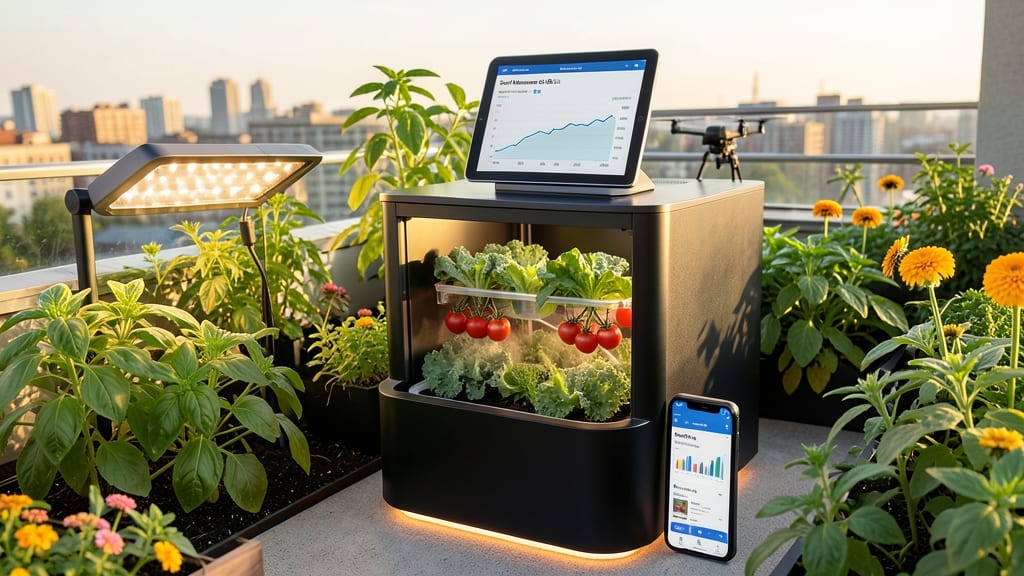
The latest smart garden news highlights how real-time plant monitoring, automated watering, and climate control systems are transforming home growing by boosting yields and cutting waste—with AI-powered insights now standard in top indoor and outdoor setups.
Smart garden technology has evolved beyond basic automation to integrate AI that learns your plants' unique needs over time. 🌱 These systems don't just water on a schedule—they adjust for temperature shifts, light changes, and even pest activity, sending alerts when intervention is needed.
The real game-changer is how they track growth patterns to predict optimal harvest times, which can increase yields by up to 40% compared to traditional methods.
What's driving this surge in popularity? For one, the convenience factor—no more guessing whether your basil needs water or if your tomatoes are getting enough light. Many newer models also sync with companion planting apps, suggesting which herbs or veggies grow best together in your specific climate zone.
The cost savings add up too: automated systems use up to 70% less water than manual gardening while preventing over-fertilization that often goes to waste.
💡 In This Article
- How Smart Garden Sensors Improve Plant Health
- Top Smart Garden Systems for Home Growers in 2024
How smart garden sensors improve plant health
Smart garden sensors work by continuously measuring environmental factors that directly impact plant growth. Soil moisture sensors, for example, use capacitive technology to detect water content at precise intervals—typically every 15-30 minutes—and adjust irrigation to maintain optimal levels.
This prevents both overwatering (which can drown roots) and underwatering (stressing plants), both of which reduce yields by up to 30%. The sensors also monitor electrical conductivity to track nutrient levels, ensuring plants receive the right balance of fertilizers without waste.
Light sensors analyze both intensity and spectrum, adjusting grow lights automatically to match a plant's photoperiod needs. For instance, leafy greens thrive under 12-14 hours of light daily, while fruiting plants like tomatoes need 16-18 hours.
Some advanced systems even simulate sunrise/sunset cycles by gradually adjusting light intensity, which can boost growth rates by 20-25% compared to constant artificial lighting. Humidity sensors maintain ideal conditions (typically 40-70% relative humidity), preventing fungal diseases that thrive in damp environments.
The real innovation lies in how these sensors feed data into AI algorithms that learn from your garden's unique conditions. For example, if your basil consistently wilts at 85°F, the system will adjust watering schedules to compensate.
Over time, it predicts optimal planting times based on your local climate and historical growth patterns—something traditional gardening can't match. This data-driven approach reduces water usage by 50-70% while eliminating guesswork in plant care.
Temperature sensors add another layer of precision by monitoring both ambient air and root-zone temperatures. Many plants, like peppers, require root zones to stay between 70-80°F, while others, like lettuce, prefer cooler 60-68°F conditions.
Smart systems automatically trigger cooling fans or heaters to maintain these ranges, preventing stress that slows growth. The result? Plants mature 30% faster on average compared to manual gardening, with fewer nutrient deficiencies and pests.
What sets these systems apart is their ability to integrate all these variables into a single dashboard. For instance, if your tomato plants suddenly show signs of nutrient deficiency (detected via leaf color analysis), the system might suggest adjusting the fertilizer blend and increasing light exposure simultaneously.
This holistic approach mirrors professional greenhouse management but is now accessible to home growers, making it easier than ever to achieve commercial-quality results.
Consider the case of AeroGarden's Hydroponic systems, which use 12 built-in sensors to monitor everything from pH levels to oxygen saturation. When combined with their AI-driven "Grow Anything" app, these sensors can even suggest alternative plants if your current selection isn't thriving—based on real-time data rather than generic advice.
This level of personalization was unimaginable just a decade ago, and it's why smart gardens are becoming the gold standard for efficient, high-yield growing.