
Tools
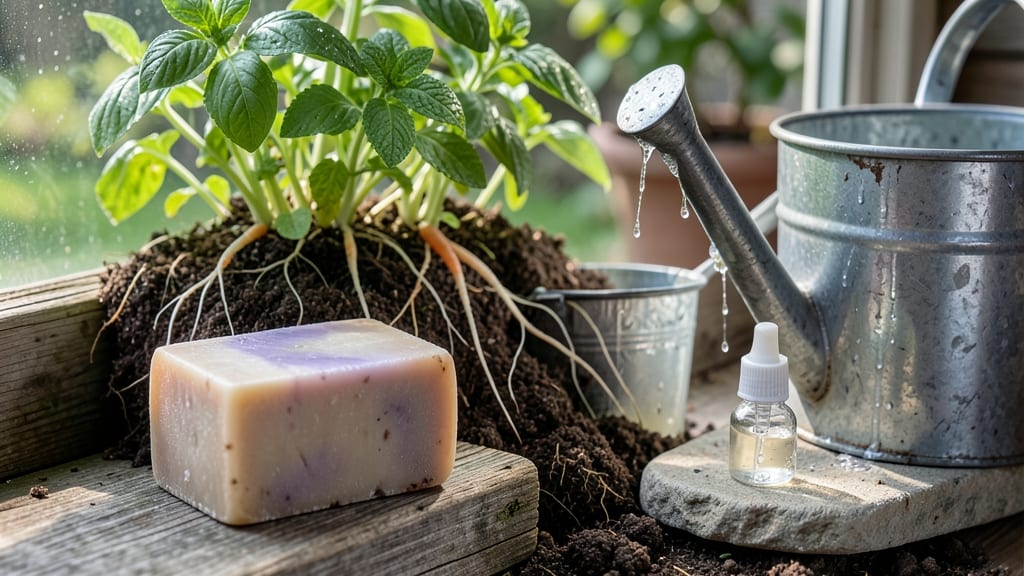
Soap in the garden can effectively control pests and boost plant health when using the right types, such as insecticidal or horticultural soaps, which must be diluted and applied cautiously to prevent plant damage or harming beneficial insects.
Soap disrupts pests by breaking down their protective outer layers, but not all soaps are created equal. 🔥 Castile soap, for example, works well for soft-bodied insects like aphids and mites, while dish soap can be too harsh and may damage plants.
The key is using a mild, plant-safe formula and always testing a small area first—some plants, like tomatoes and peppers, handle soap sprays better than others. I’ve found that applying these solutions in the early morning or evening reduces sun exposure risks for plants while maximizing pest control effectiveness.
For best results, mix a 1-teaspoon-per-quart-of-water ratio and spray directly on affected areas, avoiding direct contact with flowers or edible parts. Always shake the solution well before use, as soap tends to separate. If you notice any leaf burn or wilting after application, rinse the area immediately with water.
This method is especially useful for organic gardeners looking to avoid synthetic chemicals while still keeping pests in check.
💡 In This Article
- How Soap Works as a Natural Pest Repellent
- Safe Soap Solutions for Garden Pest Control
How soap works as a natural pest repellent
Soap disrupts pests through a chemical process called saponification, where soap molecules break down the waxy outer layer of insects. This layer, called the cuticle, is crucial for protecting insects from dehydration and toxins.
When soap molecules penetrate this barrier, they create tiny holes that cause the insect's internal fluids to leak out, leading to dehydration and death. 🔥 This method is particularly effective against soft-bodied pests like aphids, mites, and whiteflies, which lack the thick exoskeletons of beetles or ants.
The effectiveness of soap depends on its type and concentration. Castile soap, made from olive oil, is a popular choice because it's gentle on plants and breaks down into mild, non-toxic components. Dish soap, while stronger, can damage plant leaves at higher concentrations due to its higher surfactant content. Insecticidal soaps, specifically formulated for gardening, strike a balance by containing 0.5-1.5% potassium salts of fatty acids, which are more targeted and less likely to harm plants.
Always check the label for plant-safe certifications.
Not all plants react the same way to soap sprays. Succulents and cacti, for example, have thick, waxy skins that can withstand soap better than delicate flowers or young seedlings.
Tomatoes and peppers, on the other hand, often tolerate soap sprays well when diluted properly, while some herbs like basil or parsley may show signs of stress. 💫 The key is to test a small, hidden area of the plant first and monitor for 24-48 hours before full application.
If you notice yellowing leaves or wilting, the concentration is likely too high.
Timing also plays a critical role in effectiveness. Soap sprays work best when applied in the early morning or late evening, when temperatures are cooler and sunlight is less intense.
Direct sunlight can cause the soap to dry too quickly on plant surfaces, reducing its effectiveness and potentially causing leaf burn. Additionally, avoid spraying when bees or other pollinators are active, as soap can harm beneficial insects if it comes into direct contact.
For a deeper understanding, consider the surface tension factor: soap lowers the surface tension of water, allowing it to spread more evenly across the insect's body. This increased coverage ensures that more of the insect's surface area is exposed to the soap's disruptive effects.
However, this same property can also make soap solutions more likely to cling to plant surfaces, which is why thorough rinsing is sometimes necessary after application.
One common misconception is that soap sprays provide long-term protection. In reality, their effects are temporary—typically lasting 1-3 days—because pests can often recover or reproduce quickly.
For sustained control, reapply every 5-7 days or combine soap sprays with other organic methods like neem oil or beneficial insects for a more comprehensive approach.