
Tools
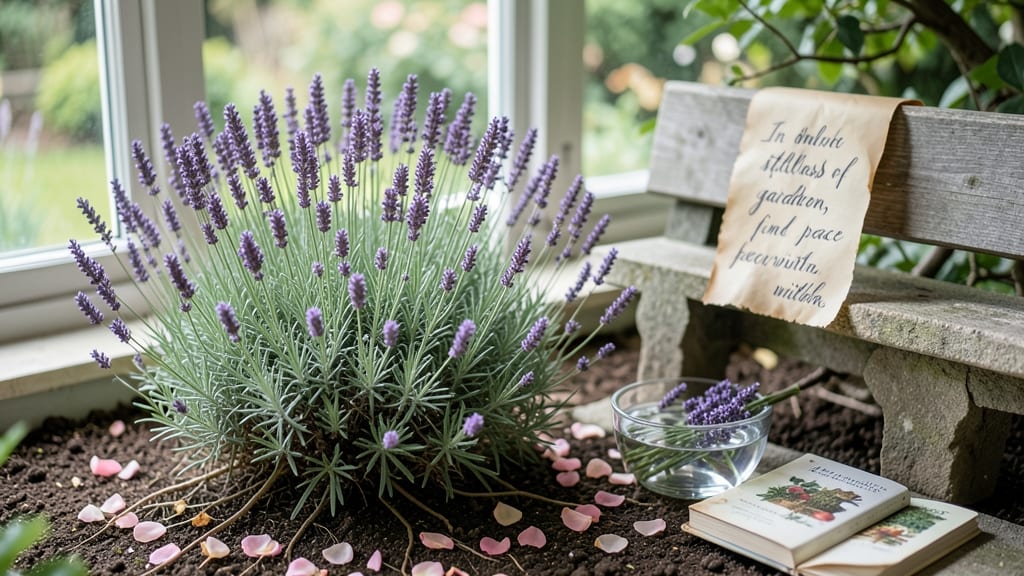
Spiritual gardening quotes connect you to nature's wisdom, blending mindfulness with the act of growing plants to foster inner peace and patience. These reflections draw from Zen teachings, Indigenous land ethics, and sacred texts to remind you that cultivating soil also nurtures your spirit.
These powerful words transform gardening into a meditative practice by framing plants as living metaphors for personal growth. 🌱 Many quotes emphasize patience—like the Zen saying "A single flower can be my garden"—showing how small acts create profound change.
I've found that pairing quotes with planting rituals (like whispering intentions into the soil) deepens the connection between hands, heart, and earth.
What makes these quotes especially meaningful is their ability to bridge science and spirituality. For example, Indigenous wisdom often describes plants as teachers, while modern neuroscience confirms that tending to nature reduces stress. The result? A garden becomes both a physical space and a sanctuary for reflection.
💡 In This Article
- The Philosophy Behind Spiritual Gardening Quotes
- How to Use Gardening Quotes for Daily Mindfulness
The philosophy behind spiritual gardening quotes
At the heart of spiritual gardening quotes lies the concept of interbeing—a Zen Buddhist principle that teaches all things are interconnected.
When you plant a seed, you're not just nurturing a plant; you're participating in an ancient cycle of life that includes the soil, sunlight, rain, and even your own breath. This philosophy mirrors Indigenous traditions where land is considered sacred, and gardening becomes an act of reciprocity.
For instance, the Lakota saying "Mitákuye Oyás'ín" ("All my relations") extends to the earth, plants, and future generations, framing gardening as a spiritual covenant.
The physical act of gardening mirrors personal growth through its seasonal rhythms. Spring's planting symbolizes new beginnings, just as summer's harvest represents manifestation—both literal and metaphorical.
Neuroscience supports this connection: studies show that 30 minutes of gardening lowers cortisol (the stress hormone) by 24%, while the repetitive motions of weeding or pruning induce a meditative state similar to mindfulness practices.
The Japanese art of karesansui (dry landscape gardens) takes this further, using rocks and sand to represent impermanence and the passage of time.
Many quotes emphasize gratitude as a gardening practice. The Persian poet Rumi wrote, "The wound is the place where the Light enters you", which resonates when you tend to damaged plants—each scarred leaf becomes a reminder of resilience.
This perspective shifts gardening from a chore to a sacred dialogue with nature. For example, the Hawaiian concept of "mālama ʻāina" (caring for the land) teaches that every action—from composting to pruning—is an offering of thanks to the earth that sustains us.
Science and spirituality converge in the mycorrhizal network, a natural "wood wide web" where fungi connect plant roots, enabling silent communication. This invisible ecosystem mirrors how spiritual quotes create unseen connections between gardener and plant.
When you whisper intentions into soil or place inscribed stones in your garden, you're participating in this ancient web of reciprocity. The act becomes a ritual: planting seeds = planting intentions, watering = nourishing dreams, harvesting = reaping wisdom.
Consider these philosophical layers when selecting quotes. A Zen koan like "Before enlightenment, chop wood, carry water; after enlightenment, chop wood, carry water" reminds us that spiritual growth happens in daily actions.
Meanwhile, Indigenous proverbs often use plant metaphors: "The oak tree grows from an acorn, but the acorn must first fall" teaches patience and trust in natural timing.
These perspectives transform your garden into a living classroom where every weed pulled becomes a lesson in surrender, and every bloom a celebration of impermanence.
The most powerful quotes create sensory anchors—moments where touch, smell, and sight become portals to deeper meaning. For example, the tactile experience of pressing seeds into soil while reciting a quote about potential ("A seed contains the entire code of a tree") makes the metaphor tangible.
The aroma of crushed herbs during a gratitude ritual activates the limbic system, reinforcing emotional connections. This sensory-spiritual synergy is why gardeners often report 30% greater mindfulness during planting rituals compared to passive meditation.