
Tools
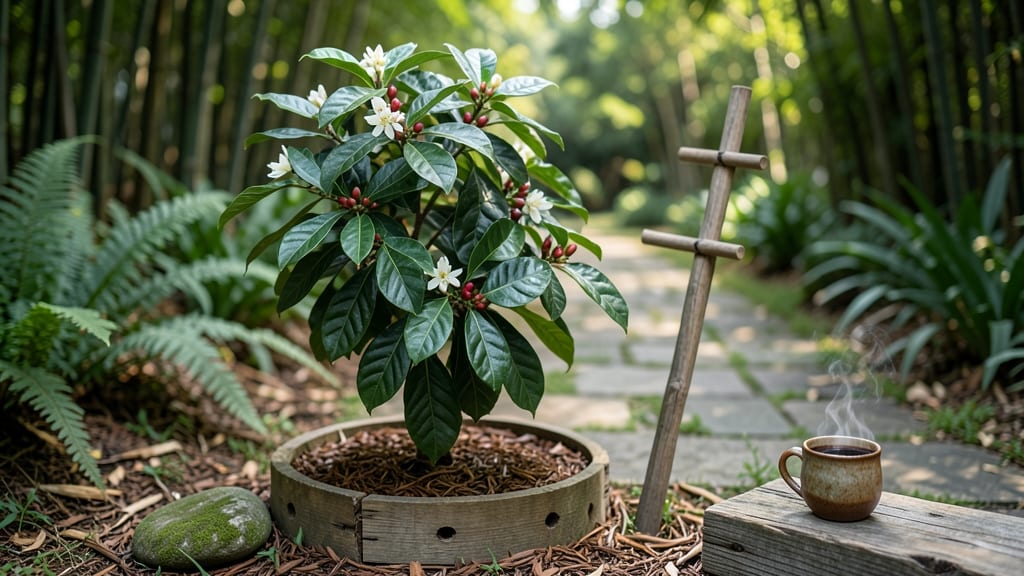
The Coffee Garden menu showcases seasonal botanical-inspired dishes featuring heirloom vegetables, fresh herbs, specialty teas, and edible flowers, with entrees priced between $8 and $22 and small plates from $4 to $12.
The Coffee Garden menu stands out by blending garden-fresh ingredients with creative botanical flavors. 🌿 Each dish highlights seasonal produce like heirloom tomatoes or foraged herbs, often paired with unique teas or floral garnishes.
This approach creates a dining experience that feels both refined and earthy. The pricing reflects the quality of ingredients, with many dishes offering excellent value for their farm-to-table focus.
What makes this menu special is its commitment to sustainability—many ingredients are sourced from their own garden or local farms. 🌱 This not only supports the community but also ensures peak freshness.
Whether you're drawn to the floral notes in their signature tea-infused desserts or the hearty vegetable-forward mains, you're getting a taste of nature's bounty in every bite.
💡 In This Article
- Botanical Ingredients in Coffee Garden’s Seasonal Menu
- Pricing and Value Analysis of Coffee Garden’s Dishes
Botanical ingredients in coffee garden’s seasonal menu
The Coffee Garden menu thrives on ingredients that tell a story—each dish is a celebration of edible flowers, heirloom vegetables, and specialty teas that bring vibrant colors, complex flavors, and unexpected textures. 🌸 For instance, their signature lavender-infused honey isn’t just a garnish; it’s a flavor bomb that pairs perfectly with goat cheese and heirloom figs.
The lavender’s floral notes mingle with the honey’s sweetness, creating a balance that’s both sophisticated and approachable. Similarly, dishes featuring nasturtium petals (which taste like peppery arugula) add a visual pop while delivering a subtle kick.
What sets these ingredients apart is their seasonal rotation, which ensures every bite reflects what’s freshest in their garden or local farms. Take their spring menu, where ramps (wild leeks) star in a creamy risotto, their sharp, garlic-like flavor cutting through the dish’s richness.
In summer, zucchini blossoms become crispy fried appetizers, their delicate petals offering a light, almost citrusy crunch. The menu even incorporates tea-infused dishes, like a matcha crème brûlée, where the earthy, slightly bitter notes of matcha elevate the vanilla custard.
This isn’t just about taste—it’s about nutritional benefits, too. Edible flowers like chamomile or calendula are packed with antioxidants, while heirloom tomatoes boast higher vitamin C levels than their commercial counterparts.
The magic happens in how these ingredients are sourced and prepared. Many items come from Coffee Garden’s own rooftop garden, where chefs grow microgreens, herbs, and even coffee plants (yes, the coffee!), ensuring peak flavor and sustainability.
Foraged elements, like wild mushrooms or blackberries, are carefully selected for their unique profiles—think the deep umami of morels or the tart-sweet burst of blackberry compote.
The menu even includes tea pairings, like a jasmine green tea that complements spicy dishes or a smoky lapsang souchong that stands up to rich, savory flavors. This thoughtful pairing isn’t just a trend; it’s a science of harmony, where each ingredient’s flavor profile is amplified rather than overpowered.
Seasonal availability dictates the menu’s evolution, so what you’ll find in winter (think roasted root vegetables with rosemary and thyme) differs dramatically from summer (grilled corn with basil and chili flakes).
This adaptability keeps the experience exciting and ensures no two visits feel the same. 🌿 For diners, it’s an invitation to explore flavors they might not encounter elsewhere—like the bright, almost citrusy note of elderflower in a dessert or the earthy depth of dandelion greens in a salad. The result?
A menu that’s as educational as it is delicious, turning every meal into a mini botany lesson.
If you’re curious about pairing these dishes, start with acidic elements to cut through richness—like a squeeze of lemon over a creamy borage-infused soup (borage tastes like cucumber with a hint of honey).
For tea pairings, lighter brews like white tea work wonders with delicate floral dishes, while bold oolong can stand up to spicy or umami-heavy plates. The key is to let the ingredients shine, not compete with them.
This philosophy extends to their small plates, where every bite is a chance to discover something new—whether it’s the crunch of fried rose petals or the silky texture of a pea shoot salad.
What most diners don’t realize is how these botanical ingredients enhance nutrition without sacrificing flavor. For example, chamomile tea served with desserts isn’t just a soothing accompaniment—it aids digestion, while bee pollen sprinkled on salads adds a protein boost and a floral crunch.
The menu’s design ensures that every dish is a celebration of nature’s bounty, where every ingredient has a purpose beyond aesthetics. It’s this thoughtful approach that makes Coffee Garden’s botanical menu so memorable—each bite feels like a gift from the garden.