
Tools
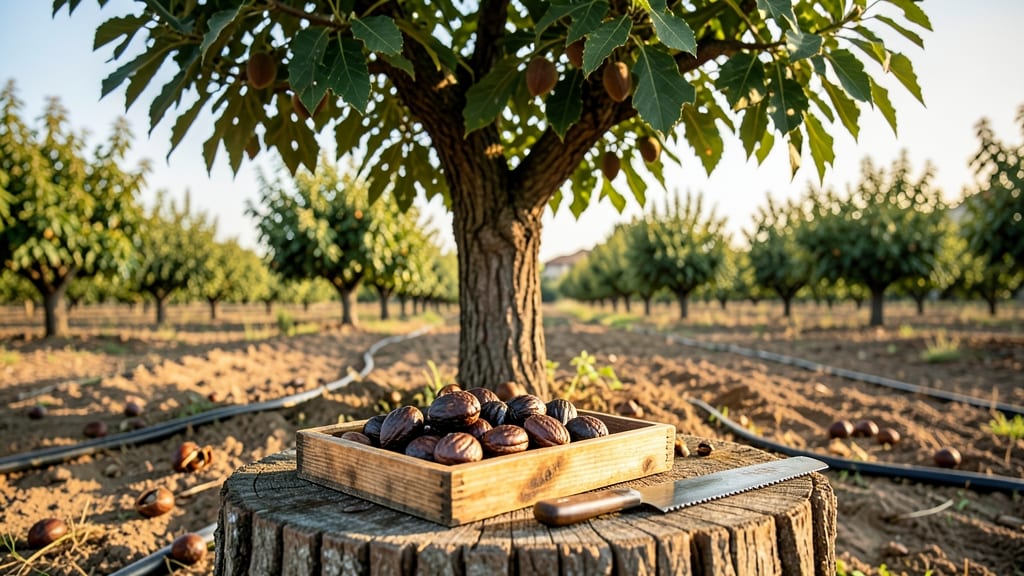
A walnut garden menu builds around seasonal dishes that showcase fresh walnuts alongside homegrown vegetables, herbs, and plant-based proteins to create hearty, nutrient-packed meals. Think walnut salads, creamy pestos, and rich desserts that highlight your harvest's peak flavors.
A walnut garden menu thrives when you match dishes to your harvest's natural rhythms. 🌱 For example, pair English walnuts with summer squash and basil during their peak season, while fall's black walnuts shine in hearty stews with root vegetables.
The key is balancing textures—crunchy walnuts against tender greens or silky tofu—so each bite feels intentional. I've found that walnut-based pesto, made with fresh garden herbs, becomes a versatile sauce for everything from pasta to sandwiches, stretching your harvest's bounty across multiple meals.
This approach isn't just about flavor—it's about sustainability.
By using what your garden produces, you reduce waste and create meals that taste fresher than anything store-bought. 💫 Start with simple swaps: replace ground meat with finely chopped walnuts in burgers or meatballs, or use walnut oil instead of butter in sautéed vegetables. The result?
Dishes that feel special while keeping your kitchen simple.
💡 In This Article
- Designing a Walnut Garden Menu Around Seasonal Growth Cycles
- Plant-Based Walnut Dish Swaps for Garden-Fresh Meals
Designing a walnut garden menu around seasonal growth cycles
Walnut trees produce harvests that shift dramatically across seasons, and your menu should reflect these natural cycles. English walnuts, the most common variety in home gardens, ripen in late fall—typically between October and November—when their shells turn brown and the kernels inside develop a rich, buttery flavor.
This timing aligns perfectly with root vegetables like carrots, beets, and sweet potatoes, which also peak in autumn. The key is to use the walnuts' natural oils to complement these earthy flavors, creating dishes like roasted beet salads with walnut vinaigrette or candied walnut-studded squash.
Spring and summer offer a different opportunity: while walnuts aren't yet ready for harvest, you can use their young leaves in teas or young shoots in salads (if properly identified—never consume unidentified plant parts!).
Instead, focus on walnut-based pestos made with summer herbs like basil, parsley, or cilantro, which pair beautifully with garden-fresh tomatoes, zucchini, or green beans.
The trick here is to toast the walnuts at 350°F for 5-7 minutes to intensify their flavor before blending with fresh herbs and olive oil, creating a sauce that bridges the gap until fall's walnut bounty arrives.
Black walnuts, with their bold, almost bitter profile, mature slightly earlier than English walnuts (typically September to early October) and work beautifully in hearty fall dishes.
Their strong flavor makes them ideal for marinades or rubs—try crushing them with garlic, thyme, and olive oil for a meaty substitute in burgers or meatballs.
The science behind this works because black walnuts contain more tannins, which mimic the umami depth found in meat, while their high fat content (about 65% by weight) adds richness without needing extra oils.
Don't overlook candlenuts, the lesser-known but versatile relative of walnuts, which ripen in late summer. Their smaller size and milder taste make them perfect for baking into breads or blending into nut butters.
The secret to using them effectively is their lower fat content (around 50%), which means they absorb flavors better—ideal for pairing with summer stone fruits like peaches or plums in desserts like galettes or cobblers.
Their harvest window (typically August to September) also coincides with the peak of many berries, creating natural flavor pairings.
Temperature plays a crucial role in preserving walnut freshness and flavor. Store freshly harvested walnuts in an airtight container at 35-40°F for up to 6 months, or freeze them whole for longer storage.
When using in cooking, toasting walnuts at 325°F for 8-10 minutes enhances their nuttiness by breaking down cell walls and releasing aromatic compounds. This simple step transforms bland walnuts into flavor powerhouses that elevate everything from savory dishes to sweet treats.
Consider this seasonal progression: Spring brings walnut-infused oils and young leaf teas, summer offers herb-walnut pestos with garden vegetables, and fall delivers the main event—walnut-based main dishes with root vegetables.
By working with these natural cycles, you'll create meals that taste fresher, more flavorful, and deeply connected to your garden's bounty. 🌿