
Blooming
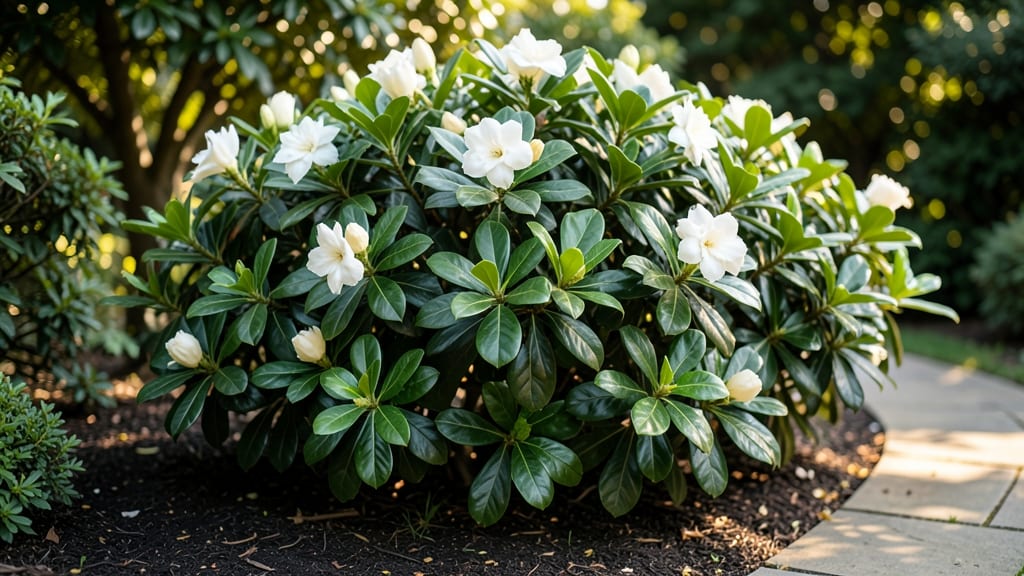
Gardenia bushes bloom when they receive the right mix of warmth, sunlight, and care — typically between late spring and summer, depending on your climate zone.
If you’ve ever wondered why your gardenia bush isn’t blooming—or when to expect those intoxicating white (or pink!) flowers—timing is everything. Gardenias thrive on precision, and knowing their bloom cycles can mean the difference between a fragrant summer showstopper and a bare branch.
In warmer zones like 9-11, gardenias often burst into bloom as early as May, while cooler regions (like zone 6a) may see flowers arrive in June or July. Varieties like G. jasminoides are classic spring-to-summer bloomers, but some hybrids stretch their season into fall.
Below, I’ll break down the exact conditions that trigger blooms—from sunlight needs to pruning tips—and how to adjust your care for a longer, more abundant display of those iconic 🌸 flowers.
Gardenia bloom seasons: month-by-month timelines by US hardiness zones
Gardenias are famous for their heavily fragrant white flowers, but their bloom timing varies dramatically depending on your USDA hardiness zone.
In cooler zones like 7-8, you’ll typically see blooms in late spring to early summer, while warmer zones 9-11 can enjoy year-round or extended flowering with proper care. Understanding these patterns helps you time pruning, fertilizing, and watering for maximum blooms.
Climate plays a huge role—temperature fluctuations and humidity levels directly impact bud formation. For example, gardenias in Zone 10 might bloom in winter if conditions are ideal, while Zone 7 plants wait for stable warmth in June.
Let’s break down the month-by-month bloom windows so you can plan your gardenia care accordingly.
In Zone 7, gardenias typically kick off blooming in late May, with peak flowering from June to July. This is when your bushes will produce the most fragrant blooms, so plan to fertilize in May and prune after August to avoid cutting off next year’s buds.
The cooler climate means blooms are more concentrated in summer months, so expect a shorter but intense display.
Gardeners in Zone 8 enjoy an earlier start, with blooms appearing as soon as early May and lasting through July. The key difference here is the longer growing season, which allows for a slightly extended bloom window.
If your gardenia isn’t flowering by mid-May, check for adequate sunlight—these plants need at least 4-6 hours of morning sun to set buds properly.
Warmer zones like 9-11 offer the most flexibility for extended or even year-round blooming. In Zone 9, gardenias can start as early as March and continue through September, while Zone 10 plants might bloom in winter if conditions are right.
For Zone 11, blooming is nearly continuous, but you’ll still see peak seasons in spring and summer. The trick here is consistent humidity—use a pebble tray or mist leaves to keep buds from drying out.
If your gardenia isn’t following this schedule, don’t panic—climate fluctuations or care mistakes can shift bloom times. For example, a hot summer drought might delay blooms until late July, while over-fertilizing with nitrogen can lead to leafy growth instead of flowers.
Always adjust your watering and feeding based on your local weather patterns rather than a strict calendar.
To encourage off-season blooming, try these adjustments: Move potted gardenias to a shadier spot in summer to reduce stress, or use a humidifier nearby if your air is dry.
For Zone 7-8 gardeners, consider planting ‘Kleim’s Hardy’ gardenias, a cold-hardy variety that blooms earlier and more reliably than traditional types. With the right care, you can extend your gardenia’s bloom season by weeks—or even months!
5 Key factors that trigger gardenia blooms (and how to control them)
Gardenias are famous for their heavily fragrant flowers, but getting them to bloom reliably requires understanding their environmental triggers. Unlike some plants that flower on new growth, gardenias bloom on older wood, meaning last year’s growth holds this year’s buds.
If your gardenia is skipping blooms, it’s likely missing one of these five critical factors.
The secret to abundant gardenia blooms lies in balancing sunlight exposure, temperature consistency, and humidity levels. Even small adjustments—like moving your plant just a few feet—can shift the bloom cycle dramatically.
Let’s break down the science-backed triggers and how to control them for a fragrant summer display.
- Sunlight Needs: 6+ hours of morning sun + afternoon shade. Too much direct sun scorches buds; too little starves flowers.
- Temperature Threshold: Ideal range is 65–85°F. Below 60°F, buds drop; above 90°F, blooms fail to set.
- Humidity Levels: Maintain 60%+ humidity for bud formation. Dry air causes buds to dry out before opening.
- Pruning Timing: Prune right after blooming (never in fall/winter). This encourages next year’s flower buds.
- Fertilizer Types: Use acid-loving formulas (like 10-10-10) in early spring. Avoid high-nitrogen feeds—it promotes leaves over flowers.
Let’s start with sunlight, the most misunderstood factor. Gardenias need bright, indirect light—think dappled shade under a tree. In containers, place them near an east-facing window where they get morning rays but escape afternoon heat.
If your gardenia is in full sun, you’ll see yellowing leaves or burnt buds—a clear sign it’s overheating.
Next, temperature plays a surprising role. Gardenias are tropical plants at heart, so they reject cold snaps. If your area dips below 55°F at night, buds will abort.
Use row covers in early spring or move potted plants indoors during frost warnings. Even a 5°F drop can halt blooming for weeks.
Humidity is where many gardeners trip up. Gardenias crave moisture in the air, not just the soil. If your home feels dry, place a humidifier nearby or mist leaves daily. In gardens, mulch heavily around the base to retain moisture.
Without 60%+ humidity, buds form but fail to open, leaving you with a bush full of green flower caps.
Timing your pruning is another game-changer. Never prune in fall or winter—you’ll cut off next year’s blooms. Instead, wait until June or July, after flowers fade.
Trim back 1/3 of the oldest growth to encourage new, flower-bearing branches. Use sterilized shears to prevent disease, and always prune just above a leaf node.
Finally, fertilizer choices can make or break blooming. Gardenias hate high-nitrogen feeds like lawn fertilizer—they’ll grow lush leaves but zero flowers. Instead, switch to an acid-based bloom booster (like 8-3-9) in early spring.
Feed lightly every 6-8 weeks during growing season, and flush the soil in fall to avoid salt buildup.