
Tools
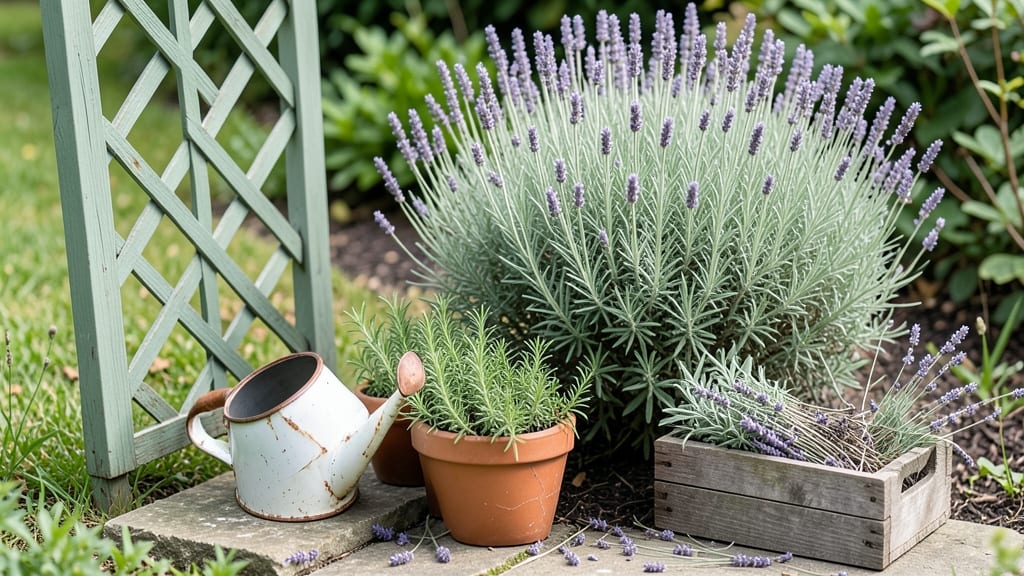
The French Laundry culinary garden showcases expertly paired herbs like thyme with rosemary, basil with oregano, and chives with tarragon, all strategically grown to elevate the flavors in Thomas Keller’s iconic dishes through their natural aromatic harmony.
The French Laundry's garden isn't just decorative—it's a flavor engine. 🌿 Thomas Keller pairs herbs based on their growth compatibility and taste profiles, like the earthy depth of thyme and rosemary working together to complement roasted meats.
This approach ensures every herb supports multiple dishes, reducing waste while maximizing freshness. The garden's layout even mimics Keller's plating philosophy: balance, contrast, and seasonal rotation.
What makes this system special is how it extends beyond the restaurant.
Many of these pairings thrive in home gardens with similar care—just 6 hours of sunlight daily and well-draining soil. 💛 For example, lavender and rosemary love the same dry conditions, making them perfect neighbors in containers or raised beds.
The key is spacing: give herbs room to breathe, and they'll reward you with the same vibrant flavors Keller relies on.
💡 In This Article
- How Thomas Keller Designs Herb Combinations for Flavor Harmony
- Growing the French Laundry Herb Garden at Home
How Thomas Keller designs herb combinations for flavor harmony
Thomas Keller’s herb pairings at The French Laundry aren’t random—they’re rooted in botanical synergy and aromatic chemistry. For instance, thyme and rosemary share similar terpene profiles (like thymol and camphor), which means their flavors amplify rather than compete.
When cooked together, these compounds release at 180-200°F, creating a layered aroma that’s both earthy and slightly piney—ideal for roasted lamb or herb crusts. Keller even plants them near each other in the garden to encourage cross-pollination, which subtly enhances their shared flavor notes.
The garden’s layout reflects culinary traditions too. For example, basil and oregano both thrive in Mediterranean climates, where they’ve been paired for centuries in dishes like pesto and tomato sauces.
What Keller adds is precision: he spaces them 12-18 inches apart to prevent overcrowding while ensuring their roots share moisture efficiently. This mimics the French "potager" style, where herbs are grown for both utility and aesthetics, much like a vegetable garden but with a focus on flavor harmony.
Seasonal rotation is another key tactic. Keller’s team plants tarragon and chives in early spring because their mild, slightly sweet flavors work beautifully with spring vegetables like asparagus and peas.
By late summer, they transition to heartier herbs like sage and marjoram, which pair with fall’s richer dishes—think duck confit or mushroom risotto. This rotation ensures the garden always supports the restaurant’s seasonal menu, reducing waste and maximizing freshness. 🌱
What’s fascinating is how Keller uses growth habits to inform pairings. For example, lavender and rosemary both prefer dry, well-draining soil and 6+ hours of sunlight daily, making them ideal companions in the garden’s sunniest beds.
Their woody stems also hold up well when used as garnishes, adding both visual contrast and flavor depth to plates. Meanwhile, softer herbs like cilantro or dill get planted in shadier spots to prevent bolting (flowering prematurely), which dulls their flavor.
Beyond flavor, Keller’s pairings also consider textural contrast. The fine, delicate leaves of chives pair perfectly with the broader, slightly fuzzy texture of tarragon, creating a visual and tactile balance on plates.
This attention to detail extends to how the herbs are harvested: leaves are picked in the morning when essential oils are most concentrated, and stems are trimmed to encourage bushier growth. The result? Herbs that are peak flavor at the moment they’re needed in the kitchen.
The garden even supports Keller’s zero-waste philosophy. By growing herbs in close proximity, stems and leaves that aren’t used for garnish can be composted together, enriching the soil for future plantings.
This closed-loop system mirrors the restaurant’s commitment to sustainability, where every part of the plant is utilized—whether in cooking, garnishing, or nourishing the garden itself. 💫