
Tools
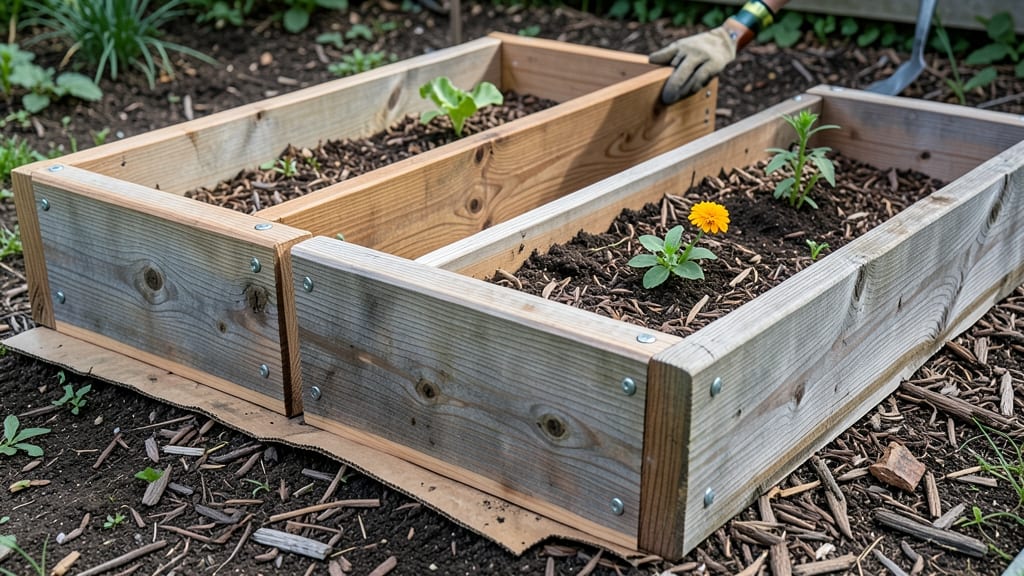
Treated wood in raised garden beds dramatically boosts durability by fighting rot, pests, and moisture damage, but you must choose the right chemical treatment and construction methods to prevent soil contamination or premature breakdown. Always select ACQ or MCQ-treated lumber and use landscape fabric as a barrier layer.
Pressure-treated wood gets its protective properties from chemical preservatives like copper azole (ACQ) or micronized copper quaternary (MCQ), which penetrate deep into the wood fibers.
These treatments create a shield against fungal decay and termites, making them ideal for above-ground structures exposed to soil moisture and fluctuating temperatures. 🌲 However, older treatments like CCA (chromated copper arsenate) are now banned due to arsenic leaching risks, so always check for the "ACQ" or "MCQ" stamp on lumber before purchasing.
Beyond the wood itself, proper construction techniques make all the difference. Elevating beds at least 6 inches off the ground improves airflow and drainage, while using landscape fabric between the soil and wood prevents direct contact that accelerates rot.
I recommend inspecting beds annually for cracks or splintering—catching issues early can add years to your garden's lifespan.
💡 In This Article
- How Pressure-Treated Wood Resists Decay in Garden Beds
- Best Practices for Building Long-Lasting Raised Garden Beds
How pressure-treated wood resists decay in garden beds
Pressure-treated wood fights decay through chemical preservatives that penetrate deep into the cellular structure of the lumber. The most effective modern treatments, ACQ (alkaline copper quaternary) and MCQ (micronized copper quaternary), use copper compounds that disrupt fungal growth and deter termites.
These treatments create a protective barrier that remains active even when exposed to moisture, which is exactly what raised garden beds endure from rain, irrigation, and soil moisture. 🌲 For example, ACQ-treated wood maintains its structural integrity even when submerged in water for months during field tests, making it ideal for above-ground applications.
The science behind these treatments involves copper ions that interfere with the metabolic processes of wood-destroying organisms. Fungi like brown rot and white rot need specific enzymes to break down cellulose in wood, but copper ions inhibit these enzymes by binding to essential proteins.
This mechanism is why ACQ-treated wood can last 20-30 years in ground contact applications, compared to just 5-10 years for untreated lumber. The micronized copper in MCQ treatments provides even more surface area for protection, making it particularly effective against soft rot fungi that thrive in moist environments.
While treated wood excels in resistance, natural wood varieties like cedar and redwood offer their own advantages. Cedar contains natural oils that repel insects and resist moisture, while redwood's high tannin content provides built-in protection against decay.
However, these natural woods typically cost 2-3 times more than pressure-treated pine and require more frequent maintenance. For example, a 4x8-foot cedar bed might cost $250-$350, while the same size ACQ-treated pine bed costs $80-$120.
The trade-off is that natural woods may last slightly longer with proper care but lack the chemical protection against aggressive pests like termites.
Moisture management is the single biggest factor in wood longevity. Even treated wood fails prematurely when trapped against damp soil without proper airflow. This is why elevation matters—beds should sit at least 6 inches above ground to prevent capillary action from drawing moisture into the wood.
I've seen beds with poor drainage develop rot within 3-5 years despite using premium treated lumber, while properly elevated beds with landscape fabric barriers often exceed 15 years of service. The key is creating a dry zone between the wood and soil.
Airflow plays an equally critical role. Wood needs to dry quickly after exposure to moisture to prevent fungal colonization. This is why slatted designs or beds with ventilation gaps perform better than solid-sided boxes.
For instance, a bed with 1-inch gaps between boards allows 30% more airflow than a solid construction, significantly reducing moisture retention. The visual difference is dramatic—well-ventilated beds show minimal weathering after years, while sealed boxes develop gray mold and surface rot within 2-3 years.
One common misconception is that all pressure-treated wood is equally protective. Older treatments like CCA (chromated copper arsenate), still found in some pre-2004 lumber, contain arsenic that can leach into soil over time.
Modern ACQ and MCQ treatments are arsenic-free and safer for vegetable gardens, though they still require proper installation to prevent chemical migration. Always look for the green ACQ or MCQ stamp on lumber—this indicates the wood meets current environmental standards for garden use. 🌱