
Tools
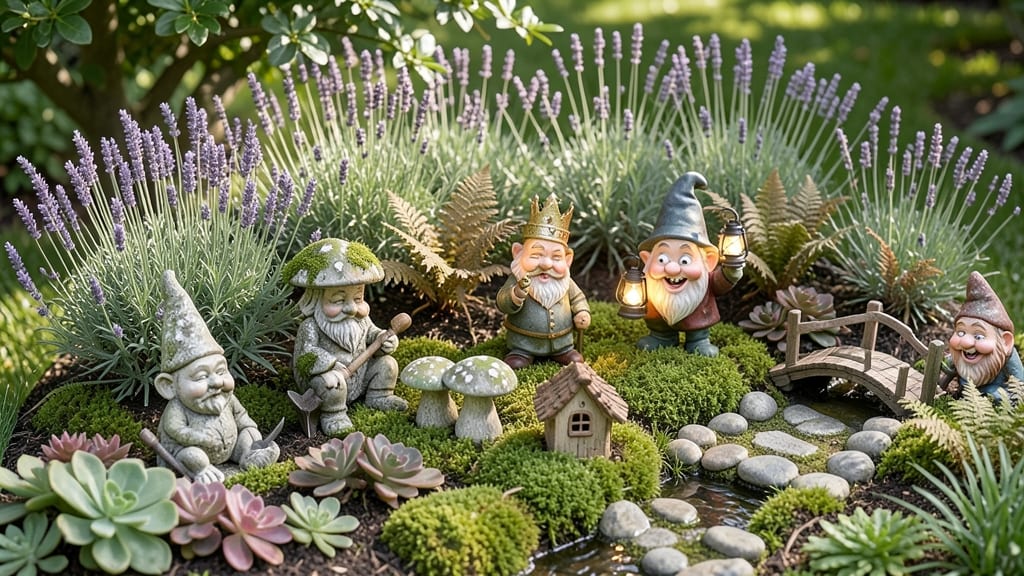
Finding unique garden gnomes means looking for handcrafted details like weathered ceramic textures, hand-painted expressions, or brass accents—antique pieces often show signs of aging like rusted iron bases or faded paint, while contemporary designs feature bold colors, smooth finishes, or creative themes inspired by fantasy or pop culture. True uniqueness comes from craftsmanship and historical markers like maker's stamps or era-specific materials.
Unique garden gnomes aren't just about whimsical designs—they're about the stories behind them. 🌟 Antique gnomes often carry historical value through their materials: ceramic pieces from the 1800s might show hand-turned details, while Victorian iron gnomes frequently feature intricate scrollwork.
Modern collectors, on the other hand, prioritize artistic expression, with artists incorporating everything from 3D-printed elements to hand-carved wood bases. The key difference? Authentic vintage gnomes show wear and character, while contemporary pieces focus on precision and innovation—both equally valuable in their own right.
What truly sets apart a collector's piece is its provenance. A gnome with a maker's mark or documentation tracing its origins can be worth hundreds more than a mass-produced replica.
I've seen hand-forged iron gnomes from the 1920s sell for thousands at auctions, not just for their age, but for the craftsmanship that makes each one distinct. Whether you're hunting for antiques or modern artistry, the most valuable gnomes always tell a story through their details.
💡 In This Article
- Key Differences Between Antique and Modern Garden Gnomes
- Where to Source Authentic Unique Garden Gnomes
Key differences between antique and modern garden gnomes
Antique garden gnomes typically showcase handcrafted imperfections that tell a story—think patina-covered brass or hand-forged iron bases with visible hammer marks from the 19th century. These pieces often feature asymmetrical proportions (heads slightly tilted, limbs uneven) because they were made by artisans without modern precision tools.
The paintwork on vintage gnomes usually shows crackling or chipping from decades of weather exposure, while modern versions maintain flawless finishes. 🌟
Design motifs also reveal the era: Victorian gnomes (1800s-1900s) often sport mushroom or toadstool caps with intricate scrollwork, while Art Nouveau pieces (early 1900s) feature flowing robes and delicate facial features.
Contemporary gnomes, however, embrace bold geometric shapes or pop culture references—like Star Wars or Disney characters—with bright, uniform colors. The materials differ too: antique ceramic gnomes often have hand-turned bases with uneven glaze, while modern ceramic pieces use molds for consistency.
What collectors should watch for is the weight and texture—authentic iron gnomes from the 1800s weigh 10-15 pounds due to solid cast iron, while modern versions use lighter materials like resin or aluminum.
The faces tell another tale: vintage gnomes have hand-painted expressions—some with rosy cheeks or exaggerated grins—while modern ones often feature laser-cut or digitally printed designs—with perfect symmetry. 💫
Another key detail is the clothing style: antique gnomes wear tight-fitting suits or peasant blouses, while contemporary designs might include modern jeans, superhero capes, or even medieval armor. The hat styles—top hats for Victorian, berets for Art Deco—also serve as dead giveaways.
For example, a gnome with a wide-brimmed hat and cane—likely from the 1920s—contrasts sharply with a modern gnome wearing sunglasses and a hoodie.
Don’t overlook the base details: antique gnomes often have hand-forged iron bases—sometimes with rust patterns—that show signs of repurposing (like old nails or screws). Modern bases, meanwhile, are usually smooth plastic or polished wood, designed for easy placement.
The size—antique gnomes average 12-18 inches—while contemporary versions can range from 6 inches (miniatures)—to over 3 feet (statement pieces)—reflecting today’s diverse garden spaces. ✨
Finally, the smell test—literally! Authentic vintage gnomes often carry a musty, earthy aroma—from decades of exposure to soil and weather. Modern gnomes, made with synthetic materials, lack this natural scent. This sensory clue can be a game-changer when verifying authenticity in person or through trusted dealers. 🌿