
Planting
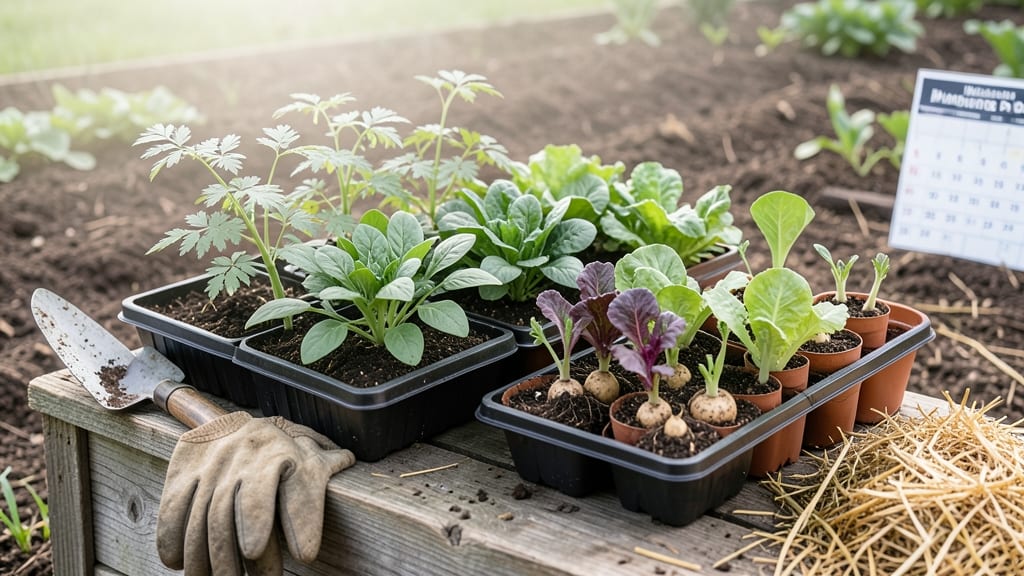
Plant your garden in Michigan when the soil warms to 50°F and the last frost has passed—usually between mid-April and early June, depending on your USDA zone.
Michigan’s unpredictable spring weather can turn even the most eager gardener into a second-guesser—but timing your garden right means the difference between a bountiful harvest and a sad, wilted disappointment.
From cold-hardy greens like spinach and peas to heat-loving tomatoes and peppers, each crop has its own ideal window. I’ll break down the exact frost dates by region, when to start seeds indoors, and how to stretch your growing season without a greenhouse.
By the end, you’ll know exactly when to plant your garden in Michigan—so you can start strong and avoid those common mistakes that leave gardeners scratching their heads in July.
Michigan planting timeline by USDA Zone: frost dates and last-freeze averages
Michigan spans USDA Zones 5a to 6b, meaning frost dates vary dramatically between the Upper Peninsula (colder) and Lower Peninsula (warmer). The 10-day rule is your best friend—wait 10 days after your average last frost before planting warm-season crops to avoid surprise freezes.
Let’s break down what this means for your region.
In Zone 5a (like Marquette), the average last frost date is around May 15, while Zone 6b (like Detroit) typically sees its last frost by May 1. These dates shift 2-3 weeks earlier in southern Michigan and 2-3 weeks later in the north.
Microclimates—like urban heat islands or lakeside areas—can also shift frost dates by 1-2 weeks.
Here’s how to use this summary table for your planting strategy: Match your city’s average last frost to the 10-day rule to determine when it’s safe to plant warm-season crops. For cold-hardy crops, you can plant 2-4 weeks earlier than the last frost date.
🌱
| Region | USDA Zone | Avg. Last Frost | Safe Planting After Frost | Cold-Hardy Planting Window |
|---|---|---|---|---|
| Upper Peninsula (Marquette) | 5a | May 15 | May 25 (10-day rule) | April 15 - May 15 |
| Traverse City | 5b | May 5 | May 15 (10-day rule) | April 1 - May 5 |
| Detroit | 6a | April 25 | May 5 (10-day rule) | March 25 - April 25 |
| Lansing | 6b | April 15 | April 25 (10-day rule) | March 15 - April 15 |
For example, if you’re in Detroit (Zone 6a), the average last frost is April 25. Using the 10-day rule, wait until May 5 to plant tomatoes or peppers. But you can start spinach or peas as early as March 25, since they’re cold-hardy.
In the Upper Peninsula (Zone 5a), like Marquette, the last frost comes later—around May 15. This means you’ll need to start seeds indoors by April 1 for warm-season crops. Cold-hardy crops like kale or carrots can go in the ground as early as April 15.
Track your local microclimate with tools like the National Weather Service’s frost prediction maps or a home weather station. Urban areas like Detroit often warm up 1-2 weeks earlier than rural zones, while lakeside areas (like Traverse City) may stay cooler longer. Adjust your planting dates accordingly!
Pro tip: Use row covers or cold frames to extend your planting window by 2-3 weeks in early spring. This is especially useful in Zone 5a, where the growing season is shorter.
For instance, you can plant lettuce or radishes under covers as early as April 1 in Marquette, even if the frost date is May 15.
Remember, first frost dates matter too! In Zone 5a, the first frost typically arrives around October 15, while Zone 6b (like Detroit) can extend the season until October 30. Plan your
Cold-hardy crops vs. warm-season vegetables: what to plant when in Michigan
Michigan’s cool springs and short growing season demand smart crop selection. Cold-hardy crops like spinach and peas thrive when warm-season favorites like tomatoes and peppers are still waiting for soil to warm.
The key? Planting windows that match each crop’s tolerance. Let’s break down what to plant—and when—to maximize your harvest.
Start with early spring crops (March-April) like kale and radishes, which handle light frosts and cool soil. These cold-tolerant plants give you a head start before warm-season veggies can go in.
Meanwhile, warm-season crops like cucumbers and squash need soil temperatures above 60°F—wait until late May or early June in most of Michigan.
| Crop Type | Planting Window | Soil Temp Requirement | Succession Planting? | Avoid Planting Too Early |
|---|---|---|---|---|
| Cold-Hardy Crops | Late March–April | 40–50°F | Yes (every 2 weeks) | None |
| Spinach | March–May, Sept–Oct | 40–55°F | Yes | Bolts in heat |
| Peas | April–May | 45–60°F | Yes (3x) | None |
| Kale | March–April, Aug–Sept | 40–50°F | Yes | None |
| Warm-Season Crops | Late May–June | 60–70°F | Yes (every 3 weeks) | Frost damage |
| Tomatoes | After last frost | 60°F+ | Yes (late June) | Cold soil stunts growth |
| Peppers | Late May–June | 70°F+ | No | Cold soil kills seedlings |
| Cucumbers | After soil warms | 65°F+ | Yes (every 2 weeks) | Slow germination |
For continuous harvests, use succession planting. For example, sow lettuce every 2 weeks from April to July. This ensures fresh greens even when early plantings bolt. Peas and radishes are perfect for this—plant them in 3 batches for a staggered harvest.
Meanwhile, warm-season crops like beans and corn benefit from late-June replanting if your first batch struggles.
Avoid planting heat-loving crops too early—eggplants and okra will wilt in Michigan’s cool springs. Even tomatoes planted in cold soil risk blossom-end rot. Wait until soil temperatures hit 60°F (use a soil thermometer!) before committing.
For peppers, hold off until late May—they’re sensitive to frost and slow to germinate in cool conditions.
Pro tip: Use row covers to extend early planting for cold-hardy crops like broccoli. This lets you start 2–3 weeks earlier without risking frost damage. For warm-season crops, consider black plastic mulch to warm soil faster—this can shave 1–2 weeks off your planting timeline.
Balance is key: plant too early, and you’ll waste seeds; wait too long, and your season shrinks.
Michigan’s fall planting is another game-changer. Spinach, kale, and garlic planted in late August can survive winter and reward you with early spring harvests.
Meanwhile, radishes and turnips thrive in cool autumn soil—ideal for late-season succession. Plan your fall garden now to avoid wasted space in your plots.