
Planting
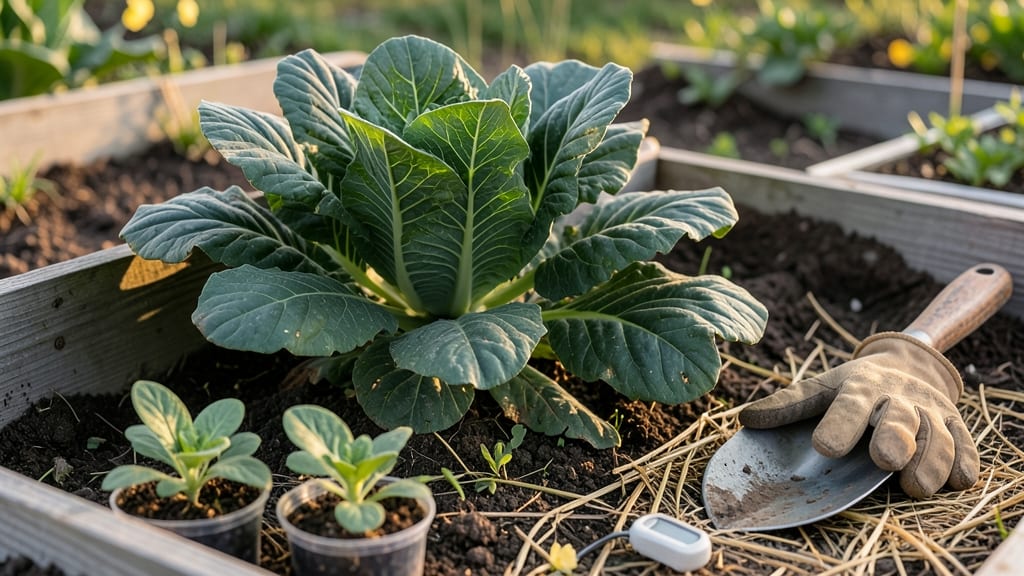
Planting your fall garden in Louisiana between mid-August and early October is the key to beating the heat and avoiding frost before your 🥬 harvests ripen.
Louisiana’s long, hot summers make fall gardening a game-changer—but planting too early or late can spell disaster for your heat-sensitive crops. Timing is everything, and these expert-backed deadlines will help you maximize yields without frost risk.
If you’ve ever watched your seedlings wilt under September’s lingering heat or seen your greens bolt before December’s first frost, you know how quickly things can go wrong.
The right schedule keeps your soil warm enough for slow starters like sweet potatoes while giving quick growers like radishes time to mature before the cold sets in.
Below, I’ll break down the exact planting windows for Louisiana’s 8a-9b zones, share the most heat-tolerant crops to prioritize, and reveal the simple tricks to stretch your harvest well past Halloween—no frost damage in sight.
Louisiana fall planting calendar: exact dates for heat-tolerant crops by month
Fall gardening in Louisiana isn’t just about avoiding frost—it’s about capitalizing on residual summer heat while preparing for cooler temperatures. The key is planting heat-tolerant crops like okra, sweet potatoes, and malabar spinach 4-6 weeks before your first frost, which typically hits around December 1 in most zones.
Louisiana’s USDA zones 8a-9b give us a longer growing window than many northern states, but timing still matters.
Your planting schedule depends on your specific Louisiana region: North (like Shreveport), Central (Baton Rouge), or South (New Orleans). Northern areas have earlier frost risks, while Southern regions can push crops later. Below is your month-by-month heat-tolerant planting guide, tailored to Louisiana’s unique climate.
Pro Tip: Always check your local frost-free date (use the Louisiana State Climatology Office as a reference). These dates are averages—your yard might vary by 1-2 weeks.
August is your prime window for heat-loving crops like okra and sweet potatoes. These plants thrive in 90°F+ soil temperatures and can handle Louisiana’s humidity. Start seeds indoors 4-6 weeks before transplanting to give them a head start.
For direct sowing, wait until soil temps drop slightly to 85°F to avoid seed shock.
September shifts focus to heat-tolerant greens like collards and malabar spinach. These can handle 80°F-85°F soil temps and even light frosts once established. If you’re in North Louisiana, prioritize collards and turnips—they’re your best bet for a late fall harvest.
In Central and South Louisiana, you can push kale and radishes slightly later.
October is where cool-season crops take center stage—but only if you act fast. By mid-October, soil temps in North Louisiana may drop too quickly for broccoli and cabbage.
Use black plastic mulch to retain heat and extend the season. In South Louisiana, you can still plant peas and lettuce safely until October 31.
Critical Deadline: Never plant frost-sensitive crops like spinach or beets after October 15 in North Louisiana or October 31 in South Louisiana. These crops need consistent cool temps to thrive, and Louisiana’s unpredictable fall weather can turn them to mush if planted too late.
November is all about harvesting and protecting. If you still have okra or sweet potatoes in the ground, harvest them before first frost. For greens like collards, use row covers or frost cloth to shield them from light frosts.
In South Louisiana, you might even squeeze in a second planting of radishes for a holiday harvest!
Remember: Louisiana’s
How to extend your fall garden season without risking frost damage
Louisiana’s fall weather can be a gardener’s double-edged sword—warm enough to grow heat-loving crops but unpredictable with early frosts. The key to success? Strategic timing and protective tactics that shield your plants from sudden temperature drops.
By extending your planting window, you can enjoy fresh harvests well into November, even in USDA Zones 8a-9b. The secret lies in combining cold-hardy crop swaps with simple, effective tools like row covers and shade cloths.
Don’t let the first frost catch you off guard. With the right approach, you can push your planting dates 2-3 weeks later than traditional schedules, giving heat-sensitive crops like okra and sweet potatoes extra time to mature.
The trick is balancing soil warmth, plant selection, and physical protection. For example, swapping out frost-sensitive tomatoes for kale or collard greens can buy you critical weeks before the first expected frost around December 1.
- Use floating row covers to protect tender crops like peppers and eggplants from 28°F+ frosts.
- Install 30% shade cloth in late September to reduce soil heat stress while maintaining growth.
- Swap heat-sensitive crops (e.g., tomatoes) for cold-hardy swaps like kale or turnips in October.
- Apply black plastic mulch in early August to warm soil 5-10°F warmer than bare earth.
- Plant fast-maturing varieties (e.g., bush beans in 50 days) to harvest before first frost.
One of my favorite tricks is using black plastic mulch in early August. This simple technique can raise soil temperatures by 5-10°F, giving heat-loving crops like sweet potatoes and okra a head start. Pair it with drip irrigation to maintain moisture without wetting the leaves, which reduces disease risk.
For leafy greens like spinach or lettuce, I’ve found that 30% shade cloth in late September creates the perfect balance—keeping plants cool enough to thrive but warm enough to avoid stunting.
When the mercury starts to dip, floating row covers become your best friend. These lightweight fabrics (made from spun-bonded polyethylene) can protect crops from light frosts down to 28°F.
I use them over broccoli, cabbage, and kale in late October, securing the edges with bricks or soil to prevent wind damage. For extra insulation, add a mini hoop tunnel over the row cover—this can extend protection down to 20°F for a few hours.
Just remember to remove covers during the day to allow pollination for crops like cucumbers or squash.
Choosing the right crops is just as critical as timing. In Louisiana, cold-hardy swaps like Malabar spinach, collard greens, and mustard greens can thrive when temperatures drop, while heat-sensitive crops like peppers or eggplants need to be planted early or protected.
I’ve had great success with ‘Southern Curly Leaf’ collards, which can handle 25°F and keep producing until December. For a late-season harvest, try ‘Black Seeded Simpson’ lettuce, which bolts slower than other varieties in cooler weather.
Don’t overlook the power of succession planting. By staggering your plantings every 2-3 weeks from August through early October, you ensure a steady supply of fresh produce. For example, sow radishes every 10 days—they mature in just 30 days and can handle light frosts.
Pair them with turnips or carrots, which take longer but store well in cool weather. This approach maximizes your garden space and minimizes the risk of losing everything to a single frost event.
Finally, keep an eye on your local frost forecast. While the average first frost in Louisiana arrives around December 1, early frosts can sneak in as soon as November 15, especially in Zone 8a areas.
Use the National Weather Service’s frost prediction maps or local agricultural extensions (like LSU AgCenter) for real-time updates. With these strategies, you can confidently extend your fall garden season and enjoy fresh harvests well into the cooler months. Happy gardening! 🌱