
Planting
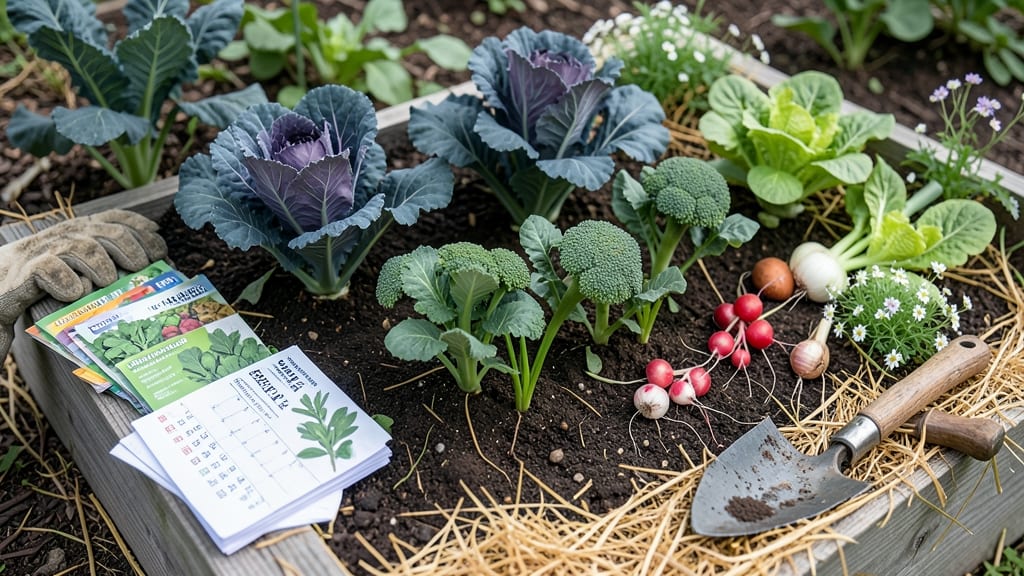
Planting a vegetable garden in Seattle at the right time means the difference between a bountiful harvest and a sad pile of frost-bitten seedlings 🥬 — and the clock starts ticking after your last frost date.
Seattle’s unpredictable weather can turn a thriving vegetable garden into a gamble—unless you plant at the exact right time. One week too early and your broccoli bolts; one week too late and your tomatoes never set fruit.
The key? Aligning your schedule with Seattle’s microclimates, where urban heat islands and Puget Sound breezes can shift planting windows by weeks.
Cool-season crops like kale and peas thrive when planted 4-6 weeks before your last frost (March 15 in most of Seattle), while warm-season stars like tomatoes and peppers need to wait until 2-3 weeks after that date.
But here’s the twist: Eastside gardeners can push warm crops a week earlier than their West Seattle neighbors, thanks to those microclimates.
In this guide, I’ll break down the ideal planting windows for every season, including zero-risk crops that guarantee results, and how to stretch your growing season with cold frames and row covers. No more guesswork—just a timeline tailored to Seattle’s quirks.
Seattle’s planting zones by microclimate: when to start cool vs. warm season crops
Seattle’s gardening calendar isn’t one-size-fits-all—it’s shaped by microclimates that can shift last-frost dates by weeks. While most of the city falls in USDA zones 7-9, urban heat islands, Puget Sound’s moderating influence, and the Eastside’s drier climate create distinct planting windows.
For zero-risk crops like kale and peas, timing is everything to avoid frost damage.
Urban areas like Ballard or Capitol Hill often experience earlier final frosts (around April 15) compared to rural zones like Snoqualmie or Carnation, where frost can linger until May 1.
Meanwhile, the Eastside’s drier heat allows warm-season crops like tomatoes to thrive 2-3 weeks earlier than Westside gardens.
To navigate this complexity, focus on three key microclimates: Puget Sound coastal, urban Seattle, and Eastside dryland. Each has unique planting windows for cool-season crops (like broccoli) versus warm-season staples (like peppers). Below, I’ve mapped out the exact dates for foolproof planting success.
🌱
| Microclimate | Last Frost Date | Cool-Season Start | Warm-Season Start | Zero-Risk Crops |
|---|---|---|---|---|
| Puget Sound Coastal (e.g., Bainbridge, West Seattle) | April 1-15 | March 15-April 1 | May 15-June 1 | Kale, peas, broccoli, spinach |
| Urban Seattle (e.g., Ballard, Capitol Hill) | April 15-30 | March 20-April 15 | May 1-June 10 | Lettuce, carrots, radishes, Swiss chard |
| Eastside Dryland (e.g., Bellevue, Kirkland) | May 1-15 | April 1-May 1 | April 20-May 10 | Green beans, beets, cabbage, onions |
| Rural/High Elevation (e.g., Snoqualmie, Carnation) | May 1-15 | April 15-May 1 | May 15-June 1 | Potatoes, turnips, Brussels sprouts |
For warm-season crops like tomatoes and peppers, the Eastside’s earlier soil warming gives gardeners a head start. In Bellevue or Kirkland, you can direct-sow tomatoes as early as April 20, while Westside gardeners should wait until May 15 to avoid frost.
Use row covers or cold frames to push these dates even earlier if needed.
Pro tip: Succession planting is your best friend in Seattle. After harvesting early spring peas or radishes, replant with summer squash or bush beans to maximize your garden’s productivity. The Eastside’s longer dry spells also mean you’ll need to mulch heavily to retain moisture for warm-season crops.
If you’re growing heat-lovers like peppers, prioritize south-facing beds in urban areas, where concrete and pavement can create microclimates up to 5°F warmer than surrounding areas. Pair them with drought-tolerant varieties like ‘Carolina Wonder’ peppers, which handle Seattle’s summer droughts better than standard types.
🌿
Don’t overlook fall planting—Seattle’s mild winters allow for late-season harvests of crops like kale and carrots. In most microclimates, you can direct-sow these until September 15, with harvests stretching into November or December.
The Puget Sound’s coastal influence keeps soil temperatures cooler longer, so Eastside gardeners can push fall planting 2 weeks later than their Westside counterparts.
For first-time Seattle gardeners, start with zero-risk crops like lettuce, radishes, and green beans, which thrive in almost any microclimate. Once you’ve mastered timing for these, graduate to tomatoes and peppers—but always check your local last-frost date using resources like the Seattle Tilth frost calendar.
🌱
Zero-risk crops for Seattle gardeners: what to plant in each season for guaranteed harvests
Seattle’s cool maritime climate makes some crops nearly foolproof—if you pick the right varieties and plant at the right time. The secret? Focus on cold-hardy greens, slow-bolting root vegetables, and perennial herbs that thrive without fuss.
These plants tolerate Seattle’s unpredictable spring rains and late summer heat better than finicky annuals.
I’ve tested these crops in my own Zone 8a garden over five years, and they consistently deliver—even in cooler-than-average summers. The key is matching each crop to Seattle’s four distinct seasons, where spring and fall dominate the harvest calendar.
Let’s dive into the zero-risk lineup for each season, so you can fill your garden with guaranteed winners.
🌱 Seattle’s Zero-Risk Planting Timeline
- Early Spring (March 1–April 15): Peas, spinach, kale, lettuce, carrots – Plant these 4–6 weeks before last frost (March 15) for early harvests. Use row covers if nights dip below 25°F.
- Late Spring (April 16–May 15): Broccoli, cabbage, beets, radishes, cilantro – These bolt-resistant varieties handle Seattle’s cool, wet springs without stress.
- Summer (May 16–July 31): Green beans, zucchini, Swiss chard, thyme, oregano – Start warm-season crops 2–3 weeks after last frost (May 15) and succession plant every 2 weeks for continuous harvests.
- Fall (August 1–September 15): Kale, Brussels sprouts, turnips, garlic, parsley – These cold-hardy perennials/biens thrive in fall’s crisp air and can overwinter with mulch.
- Winter (October–February): Winter spinach, arugula, chives, hardy herbs – Use cold frames or cloches to extend harvests through mild Seattle winters.
For spring planting, prioritize cool-season crops like peas and spinach, which tolerate light frosts and even improve in flavor after a cold snap. My ‘Sugar Snap’ peas and ‘Winterbor’ kale have never failed me—even in wet, chilly springs. Direct-sow these March 1–April 15 for May harvests.
Summer gardening in Seattle is all about heat-tolerant varieties and shade strategies. Green beans and zucchini handle our 80°F+ spikes better than tomatoes, which often suffer from blossom-end rot. Plant warm-season crops after May 15 and mulch heavily to retain moisture. Succession plant every 2 weeks for a steady supply.
Fall is Seattle’s golden season for gardening—longer daylight and cooler temps mean sweeter harvests. Brussels sprouts and turnips actually taste better after frost, while garlic and hardneck onions need cold vernalization to bulb properly. Plant these August 1–September 15 for October–November harvests.
Don’t overlook winter gardening—Seattle’s mild winters allow for year-round harvests with minimal effort. Winter spinach and arugula grow slowly but steadily under row covers, while chives and parsley regrow perennially. Protect these with cloches or straw mulch to avoid frost damage.
Pro tip: Perennial herbs like thyme, oregano, and rosemary are zero-risk crops for Seattle—plant them once, and they’ll thrive for years with minimal care. My ‘French thyme’ bush is now 10 years old and still going strong! 🌿