
Picking
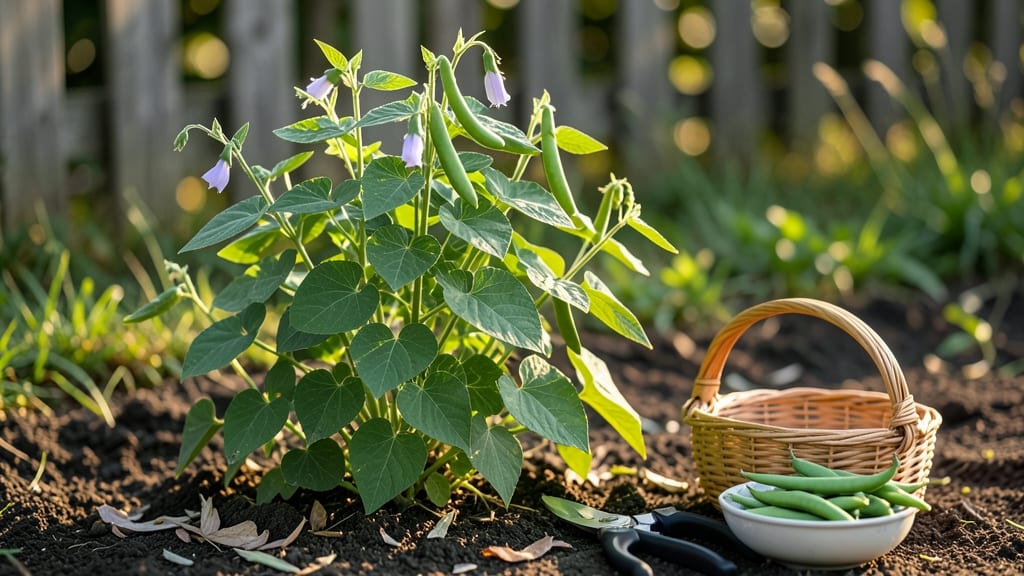
To pick green beans from your garden at the perfect moment means harvesting crisp, tender pods packed with flavor—before they toughen or the seeds swell.
Imagine biting into a pod that snaps cleanly with a bright, sweet crunch—only to find it turns rubbery and bland if left just a few days longer. That’s why timing matters more than you might think.
Most gardeners wait until pods reach 4 to 6 inches long, but there’s more to it than size. The color, firmness, and even the time of day can signal whether your 🌱 green beans are ready—or past their prime.
Below, I’ll break down the three key signs to watch for, how often to harvest for the best yield, and the mistakes that turn a great crop into a stringy disappointment.


3 Clear signs your green beans are ready for harvest
Green beans are one of those garden rewards where timing is everything. A pod harvested just a day too late can go from tender and sweet to tough and woody—completely ruining that fresh-from-the-garden flavor.
The key is learning to read your plants for these three unmistakable signs of peak ripeness. I’ve spent years watching my green beans transform, and these visual and tactile cues never fail me.
First, let’s talk about pod size, which is the most obvious indicator. Most green bean varieties reach their prime when pods measure between 4 to 6 inches long. This is the sweet spot where flavor and texture are at their best.
If you’re growing a dwarf variety, aim for the smaller end of the scale (around 4 inches), while pole beans can stretch closer to 6 inches before they start to toughen.
Now, here’s where things get interesting—your fingers become your best tool. A perfectly ripe green bean pod should feel firm yet crisp, almost snapping cleanly when you gently bend it. If it bends without resistance or feels rubbery, it’s past its prime.
I always do a quick bend test on a few pods before committing to a full harvest. This simple trick saves me from picking beans that are already on their way to becoming stringy and bland.
Finally, peek inside the pod (without damaging it) to check the seed development stage. At peak ripeness, the seeds should be tiny and barely visible through the pod’s skin.
If you can see the seeds clearly or they feel large and plump to the touch, the beans have overstayed their welcome. This is a critical sign that the plant is redirecting its energy toward seed production, which means the pods will quickly lose their tenderness.
🌱 Numbered Highlights: When to Pick Green Beans
- Pod Length: 4-6 inches is the ideal size for harvesting. Measure a few pods to confirm consistency across your plants.
- Firmness Test: Bend a pod—it should snap easily without bending. Soft or mushy pods mean it’s too late.
- Seed Check: Seeds should be tiny and invisible through the pod. Visible seeds = overripe beans.
- Color Consistency: Bright, uniform green pods are ready. Yellowing or dull patches signal stress or overripeness.
- Time of Day: Harvest in the morning when pods are cool and crisp. Avoid picking after a hot day when beans can lose moisture.
Color is another subtle but important clue. Your green beans should be a vibrant, uniform green when ready to harvest. Any yellowing, browning, or mottling on the pods is a red flag—it could mean the plant is stressed, diseased, or the beans are simply overripe.
I once ignored a few yellowing pods on my Blue Lake beans, only to realize too late that they’d turned woody and bitter. Now, I check color as part of my routine inspection.
One mistake I see gardeners make is waiting until the beans are "big enough" without checking the other signs. Size alone isn’t enough—you could end up with pods that are long but leathery. Always combine pod length, firmness, and seed visibility for the best results.
Think of it like a checklist: if two out of three signs are met, it’s time to harvest. If all three are perfect, you’re in for a flavor explosion.
Pro tip: Use a small pair of gardening scissors or your fingers to pinch the stem just above the pod when harvesting. This prevents damage to the plant and encourages more pods to form.
I’ve found that gentle harvesting actually extends the overall harvest season by keeping the plant productive. Plus, it’s a great way to avoid bruising the pods during the picking process.
If you’re growing multiple varieties, like both bush and pole beans, pay attention to their individual growth habits. Bush beans tend to ripen all at once, so you’ll need to harvest them more frequently in short bursts.
Pole beans, on the other hand, produce continuously, so you can pick a few pods every day or two. Understanding these differences helps you tailor your harvesting schedule to each type.
Finally, don’t forget that weather conditions can affect ripening time. Hot, dry spells can speed up the process, while cool, cloudy weather might slow it down. I always adjust my harvesting schedule based on the forecast.
If a heatwave is coming, I’ll pick a bit earlier to avoid toughening. Conversely, during cooler weather, I might wait a day or two longer to ensure the pods reach full sweetness.
Mastering these three signs will transform your green bean harvests from hit-or-miss to consistently delicious. The more you practice, the quicker you’ll spot the perfect pods.
And trust me, there’s nothing like the satisfaction of biting into a bean you just picked—still warm from the sun, crisp, and bursting with flavor. Happy harvesting! 🌱
How often to pick green beans for maximum yield and quality
Timing your green bean harvests correctly keeps your plants producing sweet, tender pods all season long.
For bush beans, which produce all their beans at once, you’ll want to harvest every 2-3 days once pods appear. Pole beans, on the other hand, produce continuously, so check them every 2-4 days—they’re more forgiving if you miss a day or two.
The key is consistency: frequent picking encourages more flowers and pods to form, extending your harvest window by 3-4 weeks compared to sporadic harvesting.
Seasonal timing matters too. In USDA Zone 6a, start harvesting in mid-July for early varieties and continue until late August for late-season types. If you live in warmer climates, your harvest may stretch into October.
Always pick in the morning when pods are cool and crisp—this preserves their sweetness and firmness. Avoid harvesting after rain or in the heat of the day, as pods can become rubbery or develop bitter flavors.
| Bean Type | Harvest Frequency | Peak Harvest Window | Key Signs to Pick |
|---|---|---|---|
| Bush Beans | Every 2-3 days | July–August (50–60 days) | 4–6" pods, firm, bright green |
| Pole Beans | Every 2–4 days | July–September (60–75 days) | 4–6" pods, crisp, small seeds |
| Both Types | Morning harvests | Avoid over-maturity | Bright green, firm texture |
Over-maturity is the enemy of sweet green beans. If you let pods swell beyond 6 inches or develop bulging seeds, they’ll turn starchy and tough. I’ve learned the hard way—once I missed a week of harvesting, and my Blue Lake pole beans turned into a stringy, mealy mess!
To avoid this, set a weekly reminder or dedicate 10 minutes daily to check your plants. Even if you don’t pick every pod, removing a few encourages the plant to focus on producing more.
For continuous production, prioritize pole beans if you want a longer harvest. They climb and produce pods along their entire length, giving you a steady supply. Bush beans, while faster to mature, require more frequent planting for extended harvests.
If you’re growing both, start bush beans first (in early June) and pole beans a few weeks later (in mid-June) to stagger your harvests. This way, you’ll have fresh beans from July through September without gaps.
Watch your plants for signs of stress. If leaves yellow or pods stop forming, your beans may be nutrient-deficient or overcrowded. In this case, reduce harvesting frequency slightly to let the plant recover. Always use clean, sharp pruning shears or your fingers to avoid damaging the plant.
Twisting pods off can harm the vine, so pinch them gently at the stem. With the right balance of picking frequency and plant care, you’ll enjoy a bounty of crisp, sweet green beans all season.
Don’t forget to save a few pods to dry or freeze for later! Once your plants stop producing (usually by late September in Zone 6a), let a handful mature fully on the vine.
These dried beans make excellent soup ingredients or can be planted the following spring. Just store them in a cool, dry place until you’re ready to use them.