
Planting
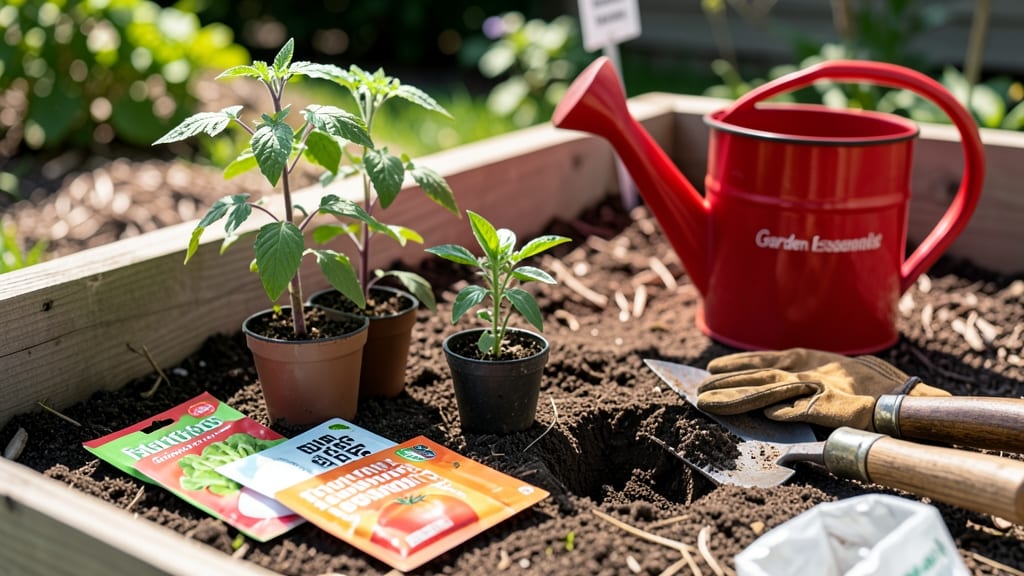
To plant a garden in your zone at the perfect time means the difference between a bountiful harvest and a season of disappointment — and most gardeners get the timing wrong.
Timing your garden planting right can mean the difference between a thriving harvest and a wasted season—yet most gardeners miss the optimal windows for their hardiness zone.
Whether you're in Zone 6a or another region, getting the timing down to the week is the key to avoiding stunted plants and lost yields.
This guide breaks down the exact frost-free planting windows for your area, so you can align your 🌱 garden with the seasons. Learn how to adjust for cool-season crops like peas and warm-season favorites like tomatoes, plus how to use soil temperature and microclimates to fine-tune your schedule.
From succession planting tips to avoiding common mistakes, you’ll discover how to maximize your growing season—no matter where you live.
Frost-free planting dates by USDA hardiness Zone: exact timelines for vegetables
Planting your garden at the right time ensures healthy growth and a bountiful harvest. The USDA hardiness zone and last frost date determine when to plant cool-season vs. warm-season crops. For example, Zone 3 gardeners have a shorter window than Zone 10, where frost rarely occurs.
Understanding these timelines helps you avoid common mistakes like planting too early or missing the ideal window for heat-loving plants.
Cool-season crops like kale and peas thrive in cooler temperatures, while warm-season crops such as tomatoes and peppers need warmer soil and air. Heat-tolerant varieties, like okra or sweet potatoes, can handle higher temperatures but still benefit from precise timing.
Below, I’ve broken down the exact planting windows for each zone, including adjustments for microclimates that can shift your frost dates by weeks.
| USDA Zone | Last Frost Date (Avg.) | Cool-Season Crops (Plant 2-4 Weeks Before Last Frost) | Warm-Season Crops (Plant After Last Frost) | Heat-Tolerant Crops (Direct Sow 1-2 Weeks After Last Frost) |
|---|---|---|---|---|
| 3-4 | Mid-May | Spinach, Lettuce, Cabbage | Tomatoes, Peppers (Start Indoors Mid-March) | Okra, Sweet Potatoes |
| 5-6 | Early April | Broccoli, Carrots, Onions | Peppers, Eggplants (Start Indoors Feb) | Southern Peas, Cucumbers |
| 7-8 | Mid-March | Peas, Radishes, Kale | Tomatoes, Basil (Direct Sow Late March) | Okra, Sweet Corn |
| 9-10 | Mid-February | Green Onions, Arugula | Peppers, Cucumbers (Direct Sow Feb) | Melons, Peanuts |
If you’re in Zone 3-4, your last frost typically occurs in mid-May, giving you a short window to plant cool-season crops like spinach and lettuce 2-4 weeks before frost. For warm-season crops, start tomatoes and peppers indoors in mid-March to transplant after frost.
In Zone 5-6, where frost arrives in early April, you can direct-sow broccoli and carrots by late February, while peppers need an early indoor start.
Zones 7-8 enjoy an earlier last frost in mid-March, allowing you to plant peas and radishes as soon as late February. Warm crops like tomatoes can go directly into the ground by late March.
Meanwhile, Zone 9-10 gardeners have the luxury of planting green onions and arugula year-round, with frost-free conditions by mid-February. Heat-tolerant crops like melons thrive in these zones when sown just 1-2 weeks after frost.
Microclimates can shift these dates by weeks. For example, a south-facing wall or urban heat island might extend your growing season by 2-3 weeks. Always check your local frost date averages and adjust for elevation—higher altitudes experience frost later than lower elevations.
Use a soil thermometer to confirm when soil reaches 60°F+ for warm crops, as air temperature alone isn’t enough.
For container gardening, warm up soil faster by placing pots in sunny spots or using black plastic mulch. If you’re unsure about your zone, the USDA Plant Hardiness Zone Map is a great resource.
Remember, these timelines are guidelines—your local weather patterns may vary. Always monitor forecasts and be ready to protect tender plants with row covers if frost threatens unexpectedly.
Pro tip: Bookmark your local extension service’s frost date calculator for real-time updates. For instance, Zone 6 might have a last frost in early April, but a late-spring freeze in May can still damage early plantings. Stay flexible and use these timelines as a starting point, not a strict rule.
Now that you’ve got the basics, let’s dive into how to adjust these dates for your specific microclimate and crop needs—because every garden is unique! 🌱
How to adjust planting times for your local microclimate and crop needs
Your USDA hardiness zone provides a baseline, but local microclimates can shift planting times by weeks. A south-facing wall might add 5-10°F warmth compared to your yard, while urban concrete absorbs heat and delays frost.
Even soil temperature—not air temperature—determines when seeds germinate. Ignoring these factors often leads to stunted plants or wasted seeds.
For example, in Zone 6, my neighbor’s elevated garden bed stays 3°F warmer than my in-ground soil, letting her plant tomatoes 10 days earlier. Meanwhile, my shady corner delays basil germination by nearly 2 weeks.
The key is testing your microclimate with simple tools like a soil thermometer or frost clock before committing to a planting schedule.
Use a soil thermometer (ideal temps: 60°F+ for warm crops, 40-70°F for cool crops). Plant when soil is consistently warm enough, even if air temps aren’t.
South-facing walls, paved areas, or bodies of water can create zones 1-3 warmer than your official USDA zone. Test with a frost clock or local weather station.
Plant lettuce every 2 weeks from spring to fall; sow beans in 3 batches for staggered ripening. Use this chart to plan intervals by crop.
Use lightweight fabric to plant cool crops 3-4 weeks earlier or warm crops 2-3 weeks later than your frost date.
Fast growers (radishes, lettuce) can handle cooler soils; slow starters (peppers, tomatoes) need warmer conditions to thrive.
Container gardeners face unique challenges because pots heat up faster than soil. My black plastic containers hit 90°F+ on sunny days, forcing me to delay planting heat-sensitive crops like cucumbers until late May—even in Zone 7.
To adapt, I use white or light-colored pots and plant shade-tolerant varieties (e.g., ‘Armenia’ cucumbers) earlier.
For succession planting, I’ve learned to group crops by their days to maturity. For example, bush beans (50 days) get planted in 3 batches: May 1, May 15, and June 1.
This ensures a steady harvest instead of a single glut. Even slow-growing crops like carrots benefit from staggered sowings every 2 weeks to prevent bolting.
Don’t treat frost dates as absolute rules. Last year, my Zone 5 garden had a false spring in April, followed by a late frost in May. I now use a 10-day average and monitor local weather alerts to adjust.
For warm-season crops, I start seeds indoors 6-8 weeks before my usual last frost date as a buffer.
My biggest lesson? Observe your garden’s patterns for 2-3 years to refine your schedule. What worked in Zone 6 might fail in Zone 6a vs. 6b—or even across your property. With these adjustments, you’ll turn frost dates into guidelines, not limitations.