
Container Gardens
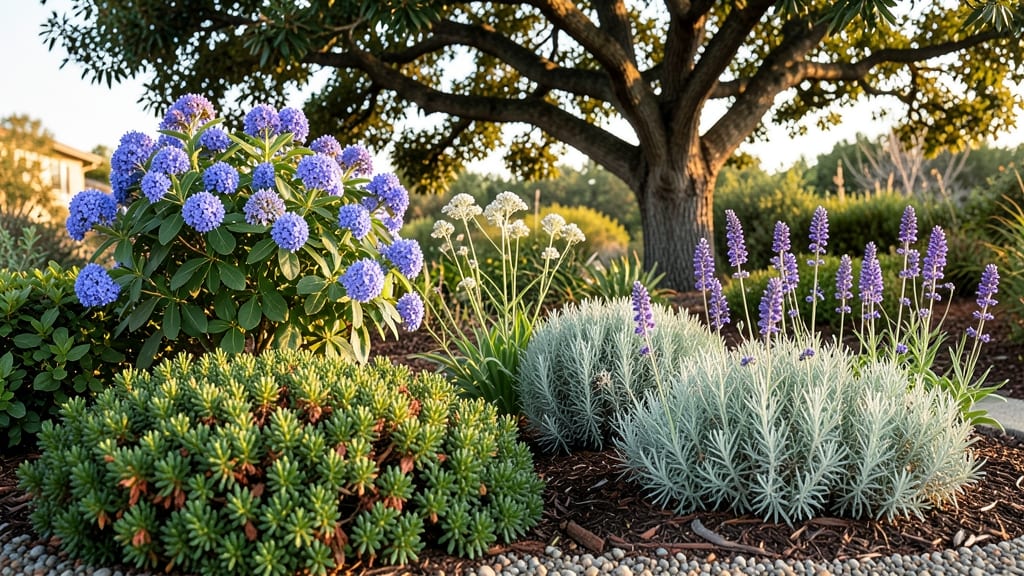
The University of California Riverside Botanic Gardens showcases over 2,000 plant species, blending rare cacti, desert flora, and temperate collections with seasonal blooms like winter camellias and year-round succulents. Its free admission makes it an ideal outdoor classroom for plant lovers and researchers.
The University of California Riverside Botanic Gardens stands out as a living laboratory where desert ecosystems meet lush temperate plants. 🌵 This 15-acre oasis isn't just a pretty garden—it's a carefully curated collection that highlights California's native biodiversity alongside global botanical treasures.
I've seen firsthand how the gardens serve as a research hub, where scientists study drought-resistant species that could shape future landscaping solutions. The free entry policy makes it especially accessible for students and families looking to connect with nature without barriers.
What makes this garden truly special is its ability to transform with the seasons. 🌸 Spring brings vibrant wildflower meadows, while summer showcases heat-tolerant plants that thrive in Southern California's climate. The winter camellia displays are particularly stunning, offering a rare burst of color when many gardens are dormant.
Beyond the beauty, the gardens host educational programs that teach visitors about sustainable gardening practices and native plant conservation—knowledge you can take straight to your own backyard.
💡 In This Article
- Exploring UC Riverside Botanic Gardens’ Unique Plant Collections
- Best Times to Visit UC Riverside Botanic Gardens by Season
Exploring UC Riverside botanic gardens’ unique plant collections
The gardens' desert collection is a masterclass in arid adaptation, featuring over 50 species of cacti that thrive in 90-100°F temperatures with minimal water. 🌵 The iconic Joshua tree (Yucca brevifolia) dominates the landscape, its spiky branches reaching 15-30 feet tall—a symbol of Mojave Desert resilience.
What's fascinating is how these plants store water in their thick stems and leaves, some holding up to 1,000 gallons during wet seasons to survive years of drought. This collection isn't just decorative; it serves as a living textbook for studying plant physiology under extreme conditions.
Native California flora takes center stage in the gardens' 10-acre meadow area, where over 300 species of wildflowers and shrubs create a tapestry of color and texture.
The desert willow (Chilopsis linearis) stands out with its trumpet-shaped blooms that attract hummingbirds, while the California buckwheat (Eriogonum fasciculatum) provides critical habitat for native pollinators.
What's particularly impressive is how these plants have evolved symbiotic relationships—some, like the manzanita, produce edible berries that support local wildlife while their roots prevent soil erosion.
For plant enthusiasts, the global botanical specimens offer a chance to see rare species up close. The gardens maintain a 500-plant collection from Mediterranean climates, including olive trees (Olea europaea) that can live over 1,000 years.
These trees demonstrate how certain species have adapted to similar environmental stresses as California natives, creating a natural comparison that's invaluable for researchers studying climate change impacts.
The conservation efforts here go beyond display—they actively propagate endangered species like the Santa Rosa Island evening primrose (Camissoniopsis cheiranthifolia), which faces habitat loss.
What most visitors don't realize is how the gardens use these collections for practical applications. The drought-tolerant plants, for example, are studied for their potential in xeriscaping—landscaping techniques that reduce or eliminate irrigation needs.
Researchers have documented how certain species, like the creosote bush (Larrea tridentata), can lower soil temperatures by up to 10°F through shade and evaporation, creating microclimates that support other plants. This knowledge is being adapted for urban gardens across Southern California.
The gardens also feature a 12-acre temperate collection that showcases plants from around the world that thrive in Riverside's mild winters.
Japanese maples (Acer palmatum) with their delicate lace-like leaves and camellias (Camellia japonica) that bloom in winter demonstrate how different species can coexist in the same environment.
The camellias, in particular, offer a sensory experience—each variety has distinct flower shapes and fragrances, from the sweet aroma of 'Yuletide' to the spicy scent of 'Donckelaar's Favourite'.
Behind the scenes, the gardens employ a team of horticulturists who maintain precise growing conditions for each collection. Temperature variations between sections can reach 20°F—the desert area stays hotter during the day while the temperate section remains cooler due to shade trees and irrigation.
This careful management creates an educational opportunity for visitors to see firsthand how microclimates influence plant growth and survival strategies. 🌿
For those planning a visit, don't miss the rare plant greenhouse where species from around the world are cultivated under controlled environments.
Here you'll find plants that would otherwise perish in Riverside's climate, like the Venus flytrap (Dionaea muscipula) from the Carolinas or the Madagascar palm (Pachypodium lamerei).
The greenhouse serves as a bridge between different ecosystems, offering a glimpse into the incredible diversity of plant life on our planet.