
Tools
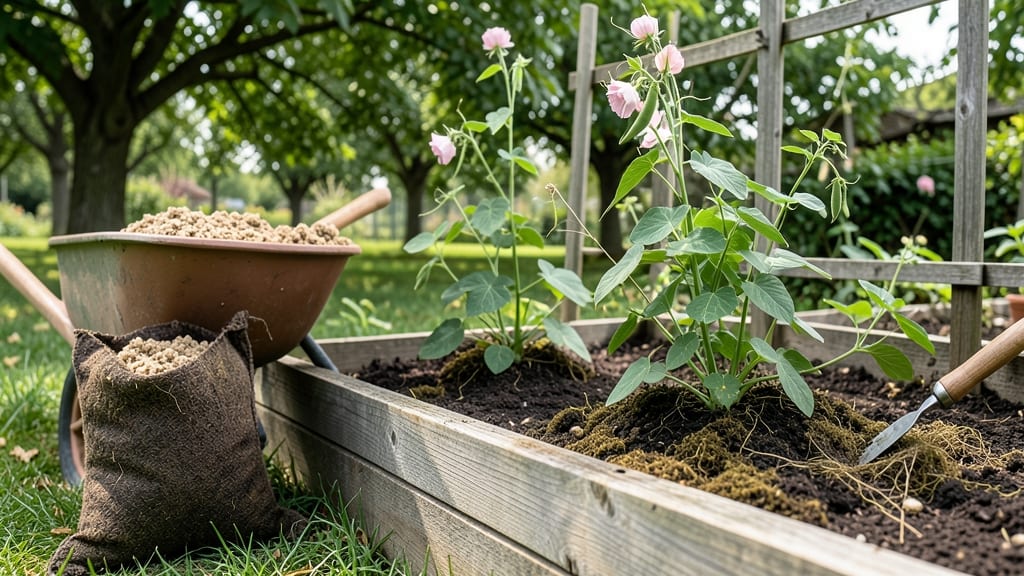
Uses for peat moss in the garden include improving soil structure, acidifying the pH for acid-loving plants like blueberries and azaleas, and boosting water retention in drought-prone areas while preventing compaction. It’s also perfect for seed-starting mixes and compost amendments.
Peat moss works its magic through natural chemistry and physics. 🌱 Its high organic content releases humic acids that gradually lower soil pH, creating ideal conditions for plants that thrive in acidic environments.
The spongy texture also holds 3-4 times its weight in water, making it a game-changer for sandy soils that drain too quickly. I've seen it transform heavy clay into loose, crumbly soil perfect for root development—just mix in 25-30% peat moss with your existing dirt.
Beyond pH adjustment, peat moss acts as a natural mulch when spread on garden beds. It slows moisture evaporation, reducing irrigation needs by up to 30%. For container gardens, blend it with perlite and compost (1:1:1 ratio) to create a lightweight mix that prevents compaction while maintaining aeration.
The key is balance—too much can make soil too acidic or waterlogged, so always test your soil before heavy applications.
💡 In This Article
- How Peat Moss Adjusts Soil Chemistry and Structure
- Practical Ways to Use Peat Moss for Garden Success
How peat moss adjusts soil chemistry and structure
Peat moss works its magic through a combination of natural chemistry and physical properties. Its high humic acid content—up to 60% of its composition—gradually dissolves in soil, releasing hydrogen ions that lower pH levels over time.
This process creates the acidic environment that plants like blueberries (pH 4.5-5.5) and azaleas (pH 5.0-6.0) absolutely thrive in. The effect is subtle but powerful: adding 1 part peat moss to 3 parts soil can drop pH by 0.5-1.0 points within a few months, depending on your starting soil type.
The spongy, fibrous structure of peat moss holds 3-4 times its weight in water, acting like a natural reservoir in sandy soils that drain too quickly. 💧 Each gram of peat moss contains microscopic pores that trap moisture while allowing excess water to drain—this dual action prevents both drought stress and waterlogging.
For comparison, sandy soil typically holds only 5-10% moisture by volume, while peat-amended soil can retain 30-50% more water without becoming soggy. This water-holding capacity also helps regulate soil temperature, keeping roots cooler in summer and warmer in winter.
Peat moss improves soil structure by preventing compaction—a common problem in clay-heavy soils. The fibrous strands create air pockets that increase porosity, allowing roots to penetrate more easily.
In heavy clay soils (which can have less than 10% air space when compacted), adding 25-30% peat moss can boost aeration to 20-30% air space, dramatically improving root growth. This structural benefit makes it ideal for vegetable gardens where deep root systems are essential for nutrient uptake.
For plants that prefer neutral or alkaline soils (like most vegetables and grasses), peat moss should be used sparingly or balanced with lime or wood ash to neutralize its acidity.
The key is testing your soil's pH before application—most garden centers offer $10 soil test kits that reveal whether you need acidification or buffering. I've found that rhizome plants like irises actually prefer slightly acidic conditions (pH 6.0-7.0), so they benefit from peat moss too, just in smaller quantities.
One often-overlooked benefit is peat moss's ability to act as a natural buffer against sudden pH swings. 🌿 During heavy rains, which can temporarily raise soil pH, the humic acids in peat moss help stabilize the environment.
This buffering effect is particularly valuable in container gardens where pH fluctuations occur more frequently due to watering practices. The slow-release nature of these acids means you won't get sudden pH shocks that can damage sensitive plants.
The science behind peat moss's water retention involves its unique cellulose structure. Unlike synthetic water crystals that hold water temporarily, peat moss's natural fibers create a capillary action system that gradually releases moisture to plant roots as needed.
This slow-release hydration is why gardeners in drought-prone areas swear by peat moss—it can reduce irrigation needs by up to 30% while preventing the soil from drying out completely between waterings.