
Tools
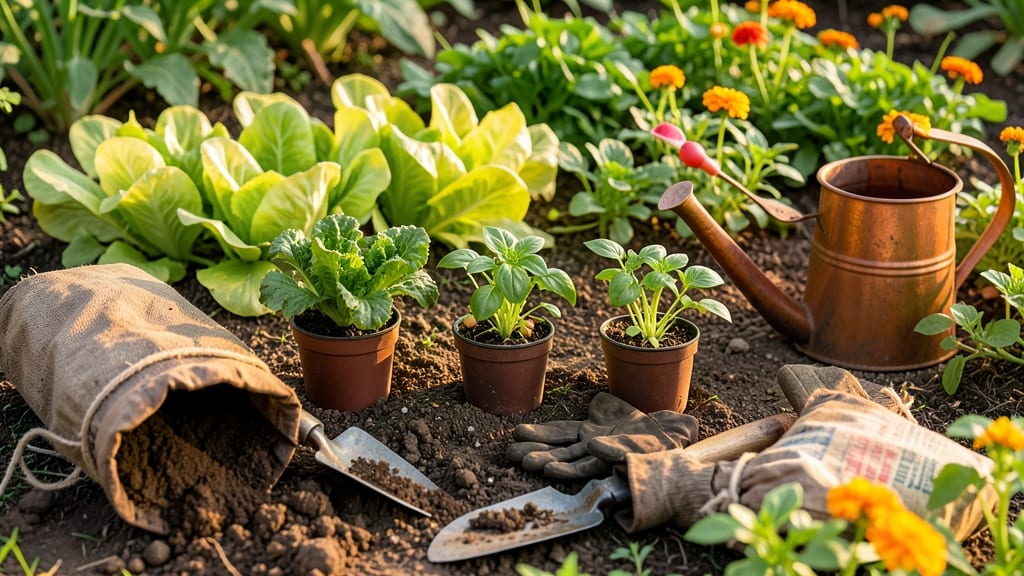
Using potting soil directly in garden beds can harm plants by compacting roots, suffocating soil microbes, and disrupting natural drainage unless properly amended with native soil and organic matter. Always mix it in a 1:3 ratio for best results.
Potting soil is designed for containers where drainage holes allow excess moisture to escape, but garden beds lack this escape route. 🌱 When used straight from the bag, its lightweight, peat-heavy composition creates air pockets that suffocate beneficial microbes while preventing water from penetrating deeply enough for root systems to thrive.
The result? Plants struggle to establish strong root networks, making them more susceptible to drought stress and nutrient deficiencies.
That said, potting soil's lightweight properties can be an asset when used strategically. Mixing it with native soil improves drainage in heavy clay soils while adding organic matter for nutrient retention.
For transplanting, I recommend creating small mounds of potting soil mix to cradle delicate roots before backfilling with garden soil—this gives young plants a head start while gradually adapting to outdoor conditions.
💡 In This Article
- Why Potting Soil Fails in Garden Beds
- How to Safely Amend Garden Soil with Potting Mix
Why potting soil fails in garden beds
Potting soil's lightweight, peat-heavy composition creates a fundamental mismatch with garden beds. Unlike native soil, which develops a complex structure over years with organic matter, minerals, and microbial activity, potting mixes rely on sterilized peat moss or coconut coir that breaks down rapidly when exposed to outdoor conditions.
This breakdown creates air pockets that prevent proper water infiltration—roots can't anchor securely, and beneficial microbes struggle to establish colonies in this unstable environment.
The real issue lies in soil porosity. Garden soil typically contains 30-50% pore space—a balance of large macropores for drainage and small micropores for water retention.
Potting soil often exceeds 70% air space, which works for containers with drainage holes but creates a "fluffy" layer in garden beds that repels water instead of absorbing it.
This forces roots to grow in a surface layer, making plants vulnerable to drought even when soil appears moist at the surface. 🌱
Consider the microbial impact: Healthy garden soil hosts billions of bacteria and fungi per gram, forming a living network that decomposes organic matter and makes nutrients available. Potting soil's sterilization process kills these organisms, leaving plants to rely solely on synthetic fertilizers.
When mixed improperly, the potting soil creates a "dead zone" where roots can't access the microbial food web that supports long-term plant health.
Texture plays a critical role too. Garden soil develops a granular structure through biological activity, while potting soil remains powdery and easily compacts when watered. This compaction occurs within 24-48 hours of mixing, creating a crust that blocks air and water movement.
For example, a 1-inch thick layer of unamended potting soil can reduce oxygen diffusion by up to 60%, effectively suffocating roots beneath it.
Seasonal variations amplify these problems. In summer, potting soil's high organic content can heat up to 120°F+ at the surface, scorching tender roots. In winter, it fails to insulate plant roots against freezing temperatures because its structure lacks the heat-retaining minerals found in native soil.
These extremes create stress cycles that weaken plants over time, making them more susceptible to pests and diseases.
One common misconception is that potting soil's "lightness" is beneficial for all plants. While it's true that some vegetables like lettuce or radishes tolerate it better than others, even these crops show 30% reduced yield when grown in unamended potting soil compared to native soil.
The key difference lies in how roots interact with the soil matrix—native soil's structure encourages deep rooting, while potting soil promotes shallow, weak growth patterns.