
Tools
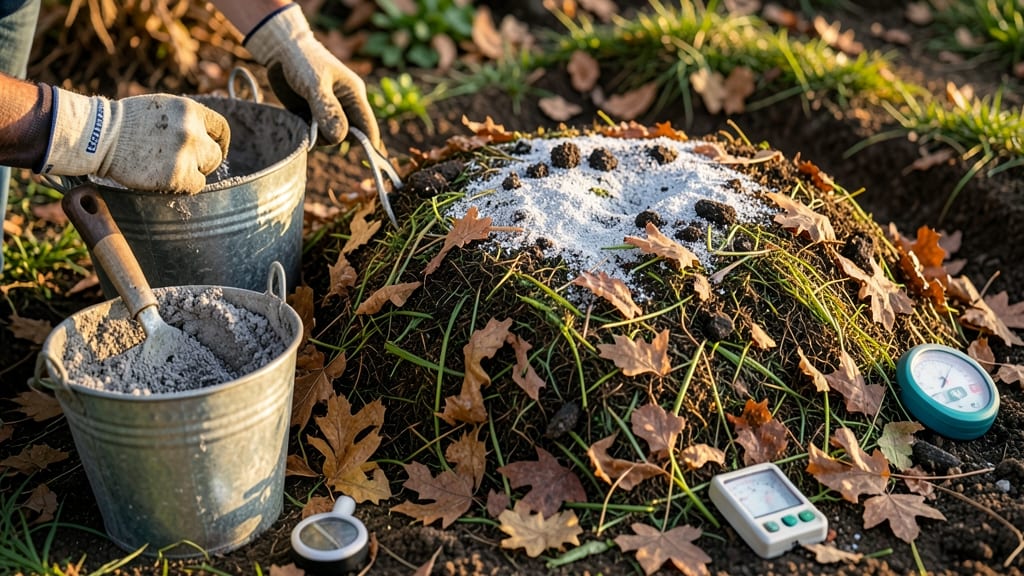
Using wood ashes in your garden can boost soil pH naturally, making nutrients more accessible for acid-loving plants like blueberries and azaleas, but proper application is key to prevent over-alkalization or nutrient imbalances. Apply lightly—1 to 2 pounds per 100 square feet—and mix into the soil before planting for optimal results.
Wood ashes work as a natural soil amendment because they’re packed with potassium and calcium, which help neutralize acidic soils. 🌱 The alkaline properties raise pH levels gradually, unlocking essential nutrients like phosphorus that plants need to thrive.
However, too much can throw off the balance—especially for plants that prefer slightly acidic conditions. I always recommend testing soil pH first and spot-treating areas where acid-loving plants struggle, rather than spreading ashes across the entire garden.
Timing matters too—fall is ideal because it gives the soil time to integrate the ashes over winter, preventing sudden pH spikes that could stress plants. For best results, mix ashes into the top 2-3 inches of soil and water thoroughly afterward.
Just remember: never use treated wood ashes, as they may contain harmful chemicals that can damage plants.
💡 In This Article
- How Wood Ashes Affect Soil Chemistry and Plant Growth
- Best Practices for Applying Wood Ashes in Garden Beds
How wood ashes affect soil chemistry and plant growth
Wood ashes primarily alter soil chemistry by introducing high levels of calcium carbonate, which acts as a natural lime. When mixed into the soil, this compound reacts with acidic hydrogen ions (H+), neutralizing them and raising the pH level.
A typical wood ash contains about 30-50% calcium oxide and 5-10% potassium oxide, both of which are critical for plant development. The potassium helps strengthen cell walls and improve drought resistance, while calcium supports root growth and disease resistance.
The pH-raising effect is gradual but noticeable—applying 1 pound of wood ash per 100 square feet can raise soil pH by approximately 0.5-1.0 units over a few weeks.
For example, if your soil starts at a pH of 5.5 (ideal for blueberries), this adjustment could shift it to 6.0-6.5, making phosphorus and other nutrients more available.
However, the impact varies based on soil type: sandy soils respond faster due to their lower buffering capacity, while clay soils require more ash to see noticeable changes. 🌿
This chemical shift benefits alkaline-tolerant plants like broccoli, cabbage, and most vegetables, but it can stress acid-loving species such as azaleas, rhododendrons, and potatoes. The key is precision—wood ashes should only be used where the soil pH is below 6.5.
Over-application can lead to nutrient imbalances, particularly excess calcium, which may inhibit the uptake of magnesium and other essential minerals. Always test your soil before adding ashes to avoid unintended consequences.
Beyond pH adjustments, wood ashes contribute trace minerals like phosphorus and magnesium, which support robust plant growth. The phosphorus content, though modest (1-2% by weight), helps with energy transfer and root development. However, these benefits are secondary to the pH effect—the primary reason gardeners use wood ashes.
The micronutrients become more accessible only after the soil pH is optimized, making the amendment a twofold solution for nutrient-deficient soils.
Visual clues can help you gauge effectiveness. After applying wood ashes, the soil may appear slightly lighter in color due to the fine, grayish particles. Over time, acid-loving plants in treated areas will show improved vigor—larger leaves, brighter flowers, and fewer signs of nutrient deficiency like yellowing foliage.
Conversely, plants sensitive to alkaline conditions may exhibit stunted growth or leaf burn if the pH shifts too quickly. 🌱
For a hands-on approach, conduct a simple pH test using a DIY kit or household items like red cabbage juice (which turns pink in alkaline conditions).
Mix a spoonful of soil with water and a few drops of juice—if the solution turns pink, your soil is alkaline and doesn’t need more ash. This method provides instant feedback, helping you avoid overcorrecting the pH balance.