
Tools
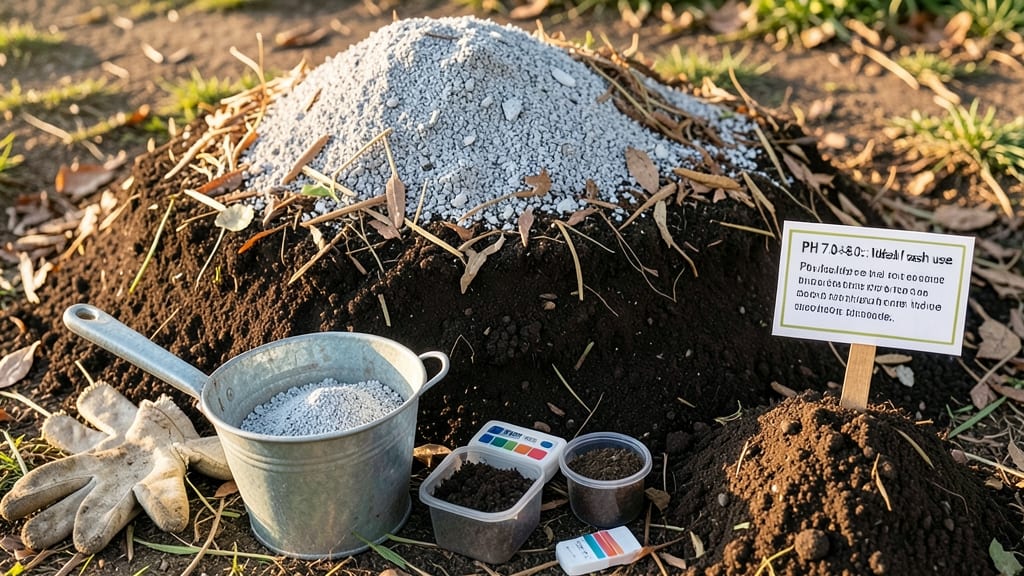
Wood ash is good for garden soil as a natural pH booster, especially for acidic soils, while also providing potassium and trace minerals. However, overuse can disrupt nutrient balance or harm plants sensitive to alkaline conditions, so apply sparingly and test soil first.
Wood ash works wonders for garden soil by raising pH levels in acidic conditions, helping plants like tomatoes and peppers thrive. 🌱 The potassium content also supports strong root development, while calcium improves soil structure.
However, it's crucial to use it carefully—too much can make soil too alkaline for acid-loving plants like blueberries or hydrangeas. I always recommend a soil test before applying, and never use ash from treated wood, which can introduce harmful chemicals.
For best results, sprinkle a thin layer (1-2 pounds per 100 sq ft) over garden beds in fall or winter, letting rain distribute it naturally.
Mixing it into compost piles also helps balance nutrient levels over time. Remember, a little goes a long way—start small and monitor your plants' response.
💡 In This Article
- How Wood Ash Affects Soil Chemistry and Plant Growth
- Safe Wood Ash Application Methods for Garden Beds
How wood ash affects soil chemistry and plant growth
Wood ash works as a soil amendment primarily because it's highly alkaline, with a pH typically ranging between 10.0 and 12.5 when mixed with water. This alkalinity comes from its rich composition of calcium carbonate (about 30-40%) and potassium oxide (around 5-10%).
When you sprinkle ash on acidic soil, the calcium carbonate reacts with hydrogen ions, neutralizing acidity and raising the soil pH. For example, if your soil tests at 5.5 pH (acidic), a light application can shift it toward 6.5-7.0, the ideal range for most vegetables.
The potassium content is equally valuable—wood ash contains 5-10% potassium oxide, which converts to potassium (K) in soil, a critical nutrient for plant growth. Potassium helps regulate water uptake, enzyme activity, and disease resistance.
You'll notice stronger stems in tomatoes and more vibrant blooms in flowers when potassium levels are optimal. However, the real magic happens in how these minerals interact: calcium improves soil structure by binding clay particles, while potassium enhances nutrient absorption, creating a synergistic effect that boosts overall plant vigor.
Not all plants respond equally to wood ash. Acid-loving species like blueberries, azaleas, and potatoes will struggle if you raise pH too much—these plants need soil between 4.5 and 5.5.
On the other hand, vegetables like tomatoes, peppers, and brassicas (cabbage family) thrive in slightly alkaline conditions (6.0-7.0). The key is matching ash application to your plants' needs.
For instance, adding ash to a blueberry bed could turn the soil inhospitable, while the same amount would benefit a tomato patch. Always check your soil pH before applying!
Another critical factor is the ash's mineral composition, which varies by wood type. Hardwoods like oak or maple produce ash with higher calcium content, while softwoods like pine may contain more trace elements like magnesium and phosphorus.
The texture matters too—fine, powdery ash dissolves faster than coarse chunks, affecting how quickly it alters soil chemistry. For example, a 1-inch layer of coarse ash might take months to break down, while powdered ash works within weeks. This variability means you should test your ash's composition if possible.
What most gardeners overlook is how wood ash affects nutrient availability. While it raises pH, it can also "lock up" essential nutrients like phosphorus and iron in alkaline conditions, making them unavailable to plants. This is why a soil test before and after application is crucial.
For instance, if your soil starts at 6.0 pH and you add ash, phosphorus levels might drop because iron phosphate compounds become insoluble. The solution? Pair ash applications with organic matter like compost, which buffers these effects and maintains nutrient balance.
Think of wood ash as a precision tool rather than a cure-all. A light application (1-2 pounds per 100 sq ft) can transform acidic soil into a thriving garden bed, but too much turns it into a liability.
The goal is to create an environment where roots can access nutrients efficiently—neither too acidic nor too alkaline.
For example, a 100 sq ft garden bed with 5.0 pH soil might only need 1 pound of ash to reach 6.5 pH, while a 6.0 pH bed could require none at all. 🌱