
Planting
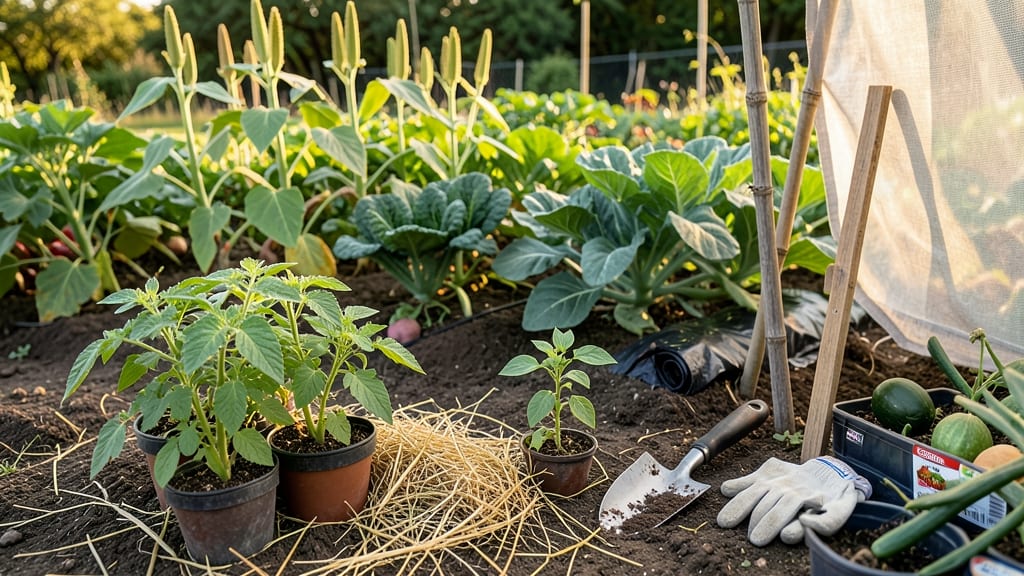
Planting a vegetable garden in Florida requires knowing the exact months to start seeds or set out transplants—because the wrong timing means wilting vines, bitter greens, or pests taking over before you even harvest.
Florida’s frost-free growing season is a gardener’s dream, but those same long, hot summers can turn your plot into a sauna if you don’t pick the right varieties or plant at the right time.
Unlike cooler climates, where frost dictates the calendar, here it’s heat tolerance and humidity that call the shots.
In this guide, I’ll break down the best months to plant everything from tomatoes to carrots in Florida’s 9a-11 zones, plus heat-resistant varieties that won’t bolt or rot in the humidity. No more guessing—just a clear, month-by-month roadmap for a garden that thrives year-round.
You’ll also learn how to stretch your harvest with succession planting, avoid Florida’s worst pests, and adapt container gardening for urban spaces where soil gets scorching hot. Let’s get that 🌱 growing!
Florida planting calendar: exact months for heat-resistant vegetables by Zone
Florida’s unique climate zones (9a-11) mean you can grow vegetables year-round—but timing is everything. Unlike northern states, no frost dates exist in most of Florida, but heat thresholds (above 90°F) dictate planting windows.
For example, tomatoes and peppers thrive in summer heat, while leafy greens need cooler months. Let’s break down the exact months to plant by zone, including critical temperature adjustments for seeds and transplants.
Zones 9a-11 cover Florida’s diverse regions, from North Florida’s cooler winters (Zone 9a) to South Florida’s tropical summers (Zone 11). In Zone 9a, occasional light frosts (January 15) may occur, while Zones 10-11 stay frost-free year-round.
This means winter planting (December-February) works for cool-season crops like broccoli and carrots in North Florida, but summer planting (June-August) is ideal for heat-lovers like okra and sweet potatoes in South Florida.
Here’s your zone-specific planting calendar, including temperature thresholds for seeds (70°F+ for warm-season crops) and transplants (55°F+ for cool-season crops). I’ve also included harvest windows so you can plan for continuous yields.
For example, tomatoes planted in March-April (Zone 9a) will harvest by June-July, while peppers planted in June-July (Zone 11) will keep producing until October-November.
For warm-season vegetables like tomatoes, peppers, and squash, aim to plant when soil temperatures reach 70°F+. In Zone 9a, this means March-April for spring crops and August-September for fall crops.
In Zones 10-11, you can plant year-round, but avoid peak summer heat (June-July) for sensitive varieties like cucumbers, which bolt (flower prematurely) above 95°F.
Cool-season crops like lettuce, kale, and carrots thrive in 55-75°F soil. In North Florida (Zone 9a), plant these in October-February, while South Florida (Zones 10-11) gardeners should focus on November-February to avoid unpredictable heat spikes.
Use shade cloth (30-50%) to protect greens from intense afternoon sun even in cooler months.
Succession planting is your secret weapon in Florida. For example, plant bush beans every 2 weeks from March-July (Zone 9a) or February-August (Zone 11) to ensure a continuous harvest.
Similarly, radishes mature in just 30 days, so sow new seeds every 2 weeks from September-February for a steady supply. This technique maximizes your garden’s productivity in Florida’s short growing windows for cool-season crops.
Don’t overlook container gardening for urban Florida gardeners or those with limited space. Peppers, tomatoes, and herbs thrive in 5-gallon containers and can be planted year-round in Zones 10-11. For containers, use a lightweight potting mix
Top 10 heat-resistant vegetables for Florida gardens (with variety recommendations)
Florida’s summer heat can turn your garden into a sauna, but the right heat-resistant vegetables thrive when temperatures soar past 90°F. These varieties not only survive but produce abundant harvests with minimal fuss.
I’ve grown these in my North Florida garden for years, and they consistently deliver—even during droughts or humidity spikes.
Key to success? Pairing drought-tolerant varieties with smart companion planting and afternoon shade for sensitive crops. For example, my ‘Solar Fire’ peppers handle 100°F heat with ease, while ‘Malaga’ tomatoes produce fruit well into October without wilting.
Let’s dive into the top 10 varieties that’ll keep your garden productive all summer long.
My okra and ‘Solar Fire’ peppers are my top performers—both handle Florida’s humidity and heat like champions. For shade-loving crops, I plant collard greens under my palm trees, where they stay lush even when temps hit 95°F.
Pro tip: Mulch heavily with straw or pine needles to retain moisture and keep roots cool.
Pair tomatoes with basil to repel pests naturally, and interplant green beans with corn to improve soil nitrogen. Avoid planting lettuce in peak summer—it bolts quickly in the heat. Instead, opt for heat-tolerant greens like Swiss chard ‘Bright Lights’, which stays crisp even when other greens wilt.
Watering is critical: deep soak your plants early in the morning to prevent fungal diseases. I use drip irrigation for my tomatoes and peppers, which keeps foliage dry and reduces blossom-end rot. For container gardens, choose self-watering pots to maintain consistent moisture without overwatering.
Harvest regularly to